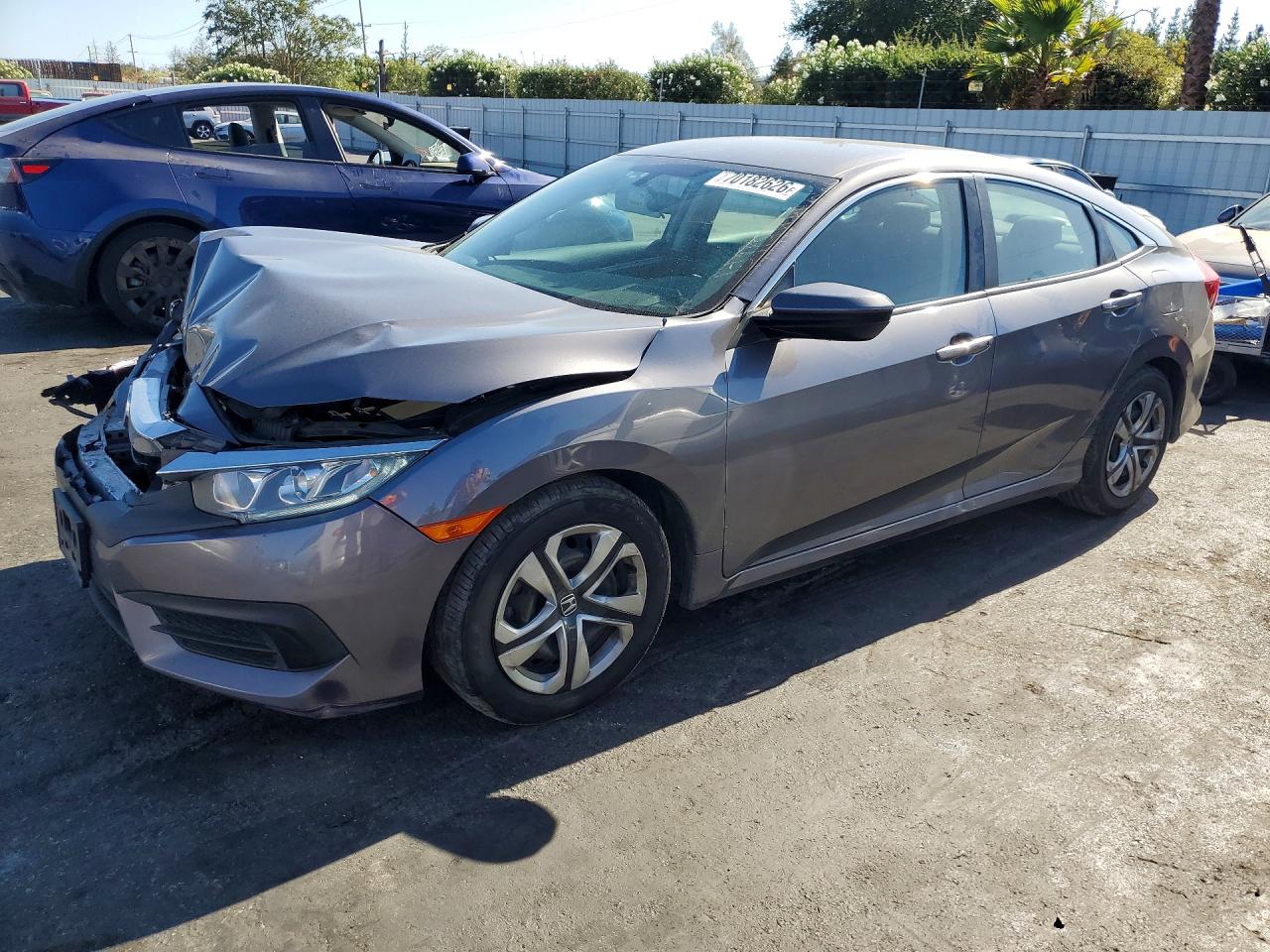
2016 HONDA CIVIC LX VIN 19XFC2F53GE095963
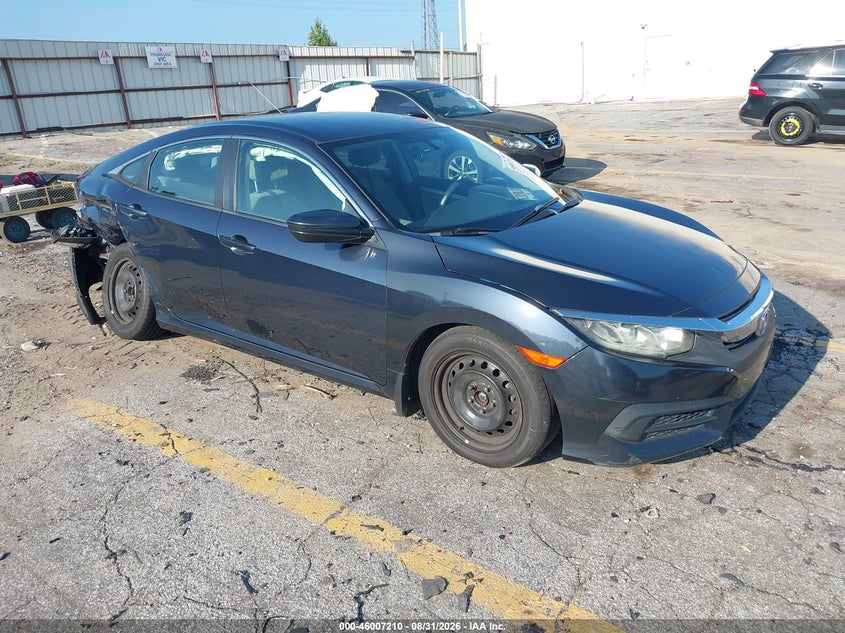
Damage map
If damage records exist for this VIN, the report shows the affected zonesTheft, liens and title
Checks that matter for registration and resaleRecorded condition
What the source noted about the car as it stands- Runs and drives
- Yes
- Engine starts
- Yes
- Keys available
- Yes
- Start code
- Run & Drive
History timeline
Data decoded from the VIN is shown. Records on file, if any, are in the full report.Mileage
Odometer reading as recorded at the sourceEarlier photos may be in the report
Check before you buy
Four things worth checking on any used carHONDA CIVIC LX specifications
- VIN
- 19XFC2F53GE095963
- Make
- HONDA
- Model
- CIVIC LX
- Year
- 2016
- Colour
- GRAY
- Fuel
- Gasoline
- Engine
- 2.0 L
- Cylinders
- 4
- Power
- 158 hp
- Transmission
- CVT
- Drive
- FWD
- Recorded odometer
- 205 845 mi
- Recorded damage
- Right Side
What buyers ask about the HONDA CIVIC LX
Was this 2016 HONDA CIVIC LX damaged before?
The damage in the specifications is what the source noted at the time. Earlier accidents and repairs on file for VIN 19XFC2F53GE095963, if any, are in the full report.
Can I trust the odometer reading of 205 845 mi?
It is the figure as recorded, not verified. Compare it with the earlier readings in the full report: they can only go up, so a drop points to a wound-back odometer.
In which countries was this car registered?
Registrations abroad seldom reach local registers. If this car was registered in other countries, the full report names them.
Who sells the report, and what does it cost?
An independent partner, selected automatically for each VIN by our system from analytical data. The partner shows the price before you pay; we may earn a commission.
VIN 19XFC2F53GE095963: history
This Honda Civic LX was built in 2016. The engine is a 2.0-litre petrol unit with four cylinders. Power reaches the wheels through a CVT gearbox. Details for this car come from a single data source and may differ from its documents.
The clock stood at 205,845 miles when the data was entered. The instruments count in miles; the same distance in kilometres is about 1.6 times the figure. The mileage is high for the car’s age, so the suspension, brakes, seats and steering wheel deserve a close look. Services and inspections note the distance covered, so a car with an ordinary past builds up a trail of figures that climb year after year. Title paperwork often notes the mileage at each change of owner, which makes it a useful cross-check.
When the car was recorded, it showed damage to the right side. Two cars with the same damage label can be very different: one needs a few new parts, the other major work. Given the kind of damage entered, a mechanic should look first at the pillars, sills and doors on the right side.
The record notes that the car ran and drove. A key was noted with the car. A condition note describes the car at one moment; months of standing or later work on the car can change the picture in either direction.
The record shows a salvage title. Such a title means the car was declared a total loss and can return to the road only after repair and inspection. A branded title follows the car through every change of owner, so it remains part of its history.
A car’s history is everything logged against it since it left the factory: registrations and owners, inspections, repairs and insurance claims. No single office holds the whole story of a car: registries, workshops, insurance companies and lenders each keep their own part. What a car has been through is seldom visible at first glance, and a respray can make even a badly damaged car look sound.
For the engine, the service history matters most: oil changes, filters and the timing belt or chain are the entries to look for. Many modern petrol engines are turbocharged and direct-injected; where they are, the turbocharger and injectors belong on a specialist’s checklist. Automatic transmissions, CVTs included, are expensive to repair, so the test drive should include pulling away from a standstill and a stretch at motorway speed.
The VIN is a 17-character code assigned at the factory: it identifies the manufacturer, the model and its variant, and ends with a serial number unique to the car. The record gives the VIN as 19XFC2F53GE095963. The VIN usually appears at the base of the windscreen, on a door pillar and stamped into the body, and all of them should match the documents.
Where entries exist, a VIN check can show changes of owner, past mileage readings, reported damage and whether the car is listed as stolen. The past is on file; the car’s condition today is a job for a mechanic, who can check the structure, underbody, electrics and any repairs on a lift. The history behind VIN 19XFC2F53GE095963 is the natural starting point before any decision about this Honda Civic LX.
Similar HONDA CIVIC LX cars
All HONDA cars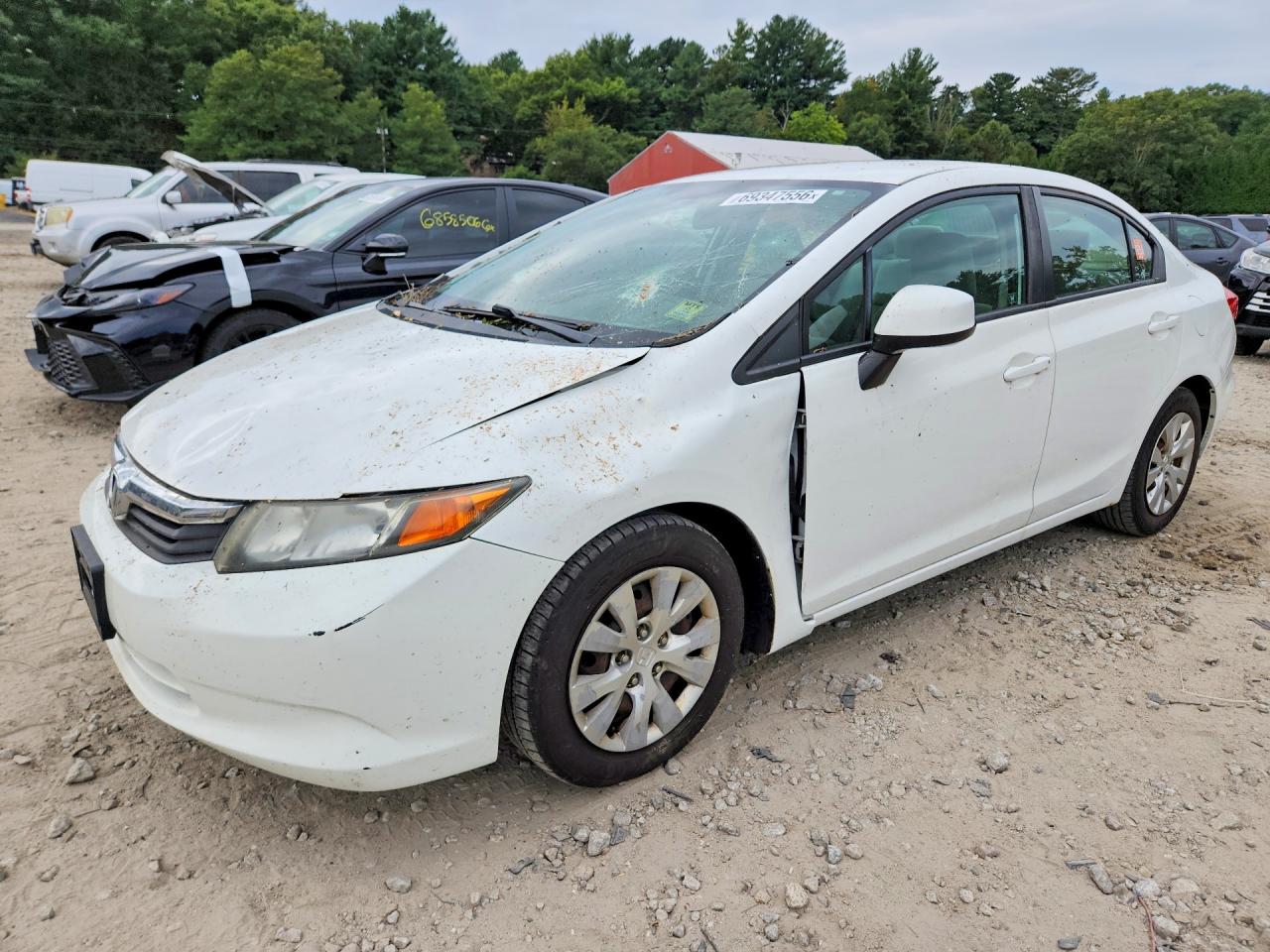 2012 HONDA CIVIC LX
19XFB2•••••••6652
1.8 gasoline · Automatic
Check history
2012 HONDA CIVIC LX
19XFB2•••••••6652
1.8 gasoline · Automatic
Check history
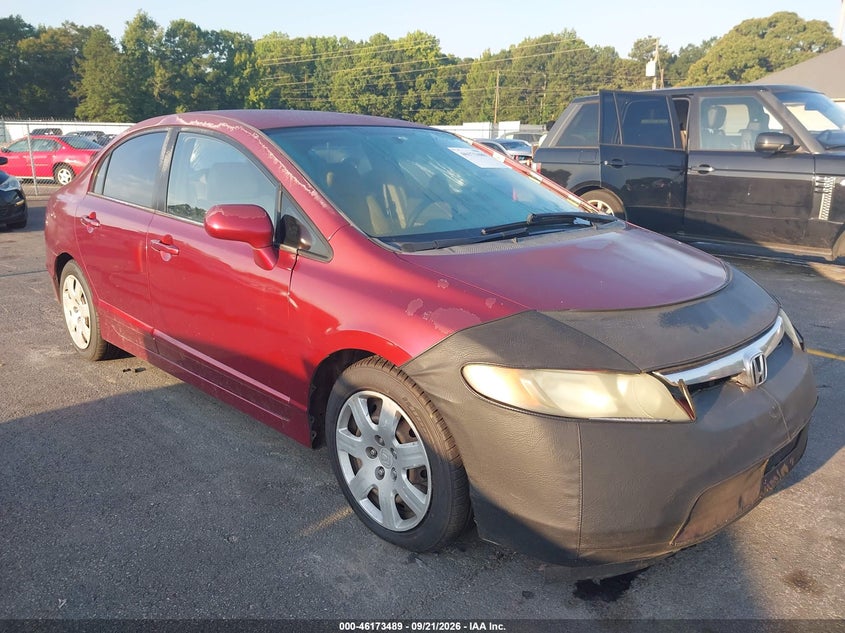 2006 HONDA CIVIC LX
2HGFA1•••••••1022
1.8 gasoline · Automatic
Check history
2006 HONDA CIVIC LX
2HGFA1•••••••1022
1.8 gasoline · Automatic
Check history
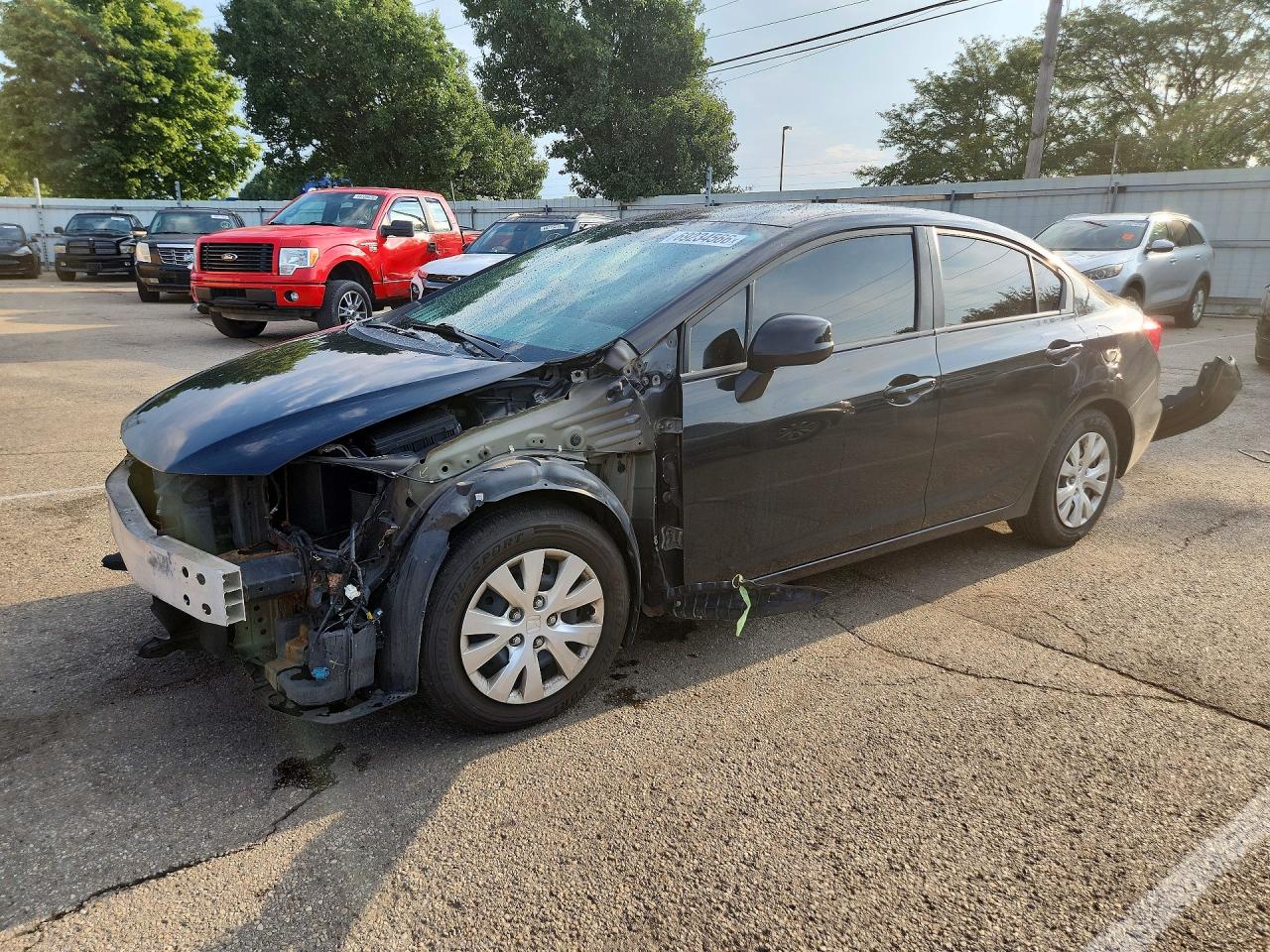 2012 HONDA CIVIC LX
19XFB2•••••••8517
1.8 gasoline · Automatic
Check history
2012 HONDA CIVIC LX
19XFB2•••••••8517
1.8 gasoline · Automatic
Check history
 2016 HONDA CIVIC LX
19XFC2•••••••7949
2.0 gasoline · CVT
Check history
2016 HONDA CIVIC LX
19XFC2•••••••7949
2.0 gasoline · CVT
Check history