2013 FORD POLICE INTERCEPTOR VIN 1FAHP2M81DG143651
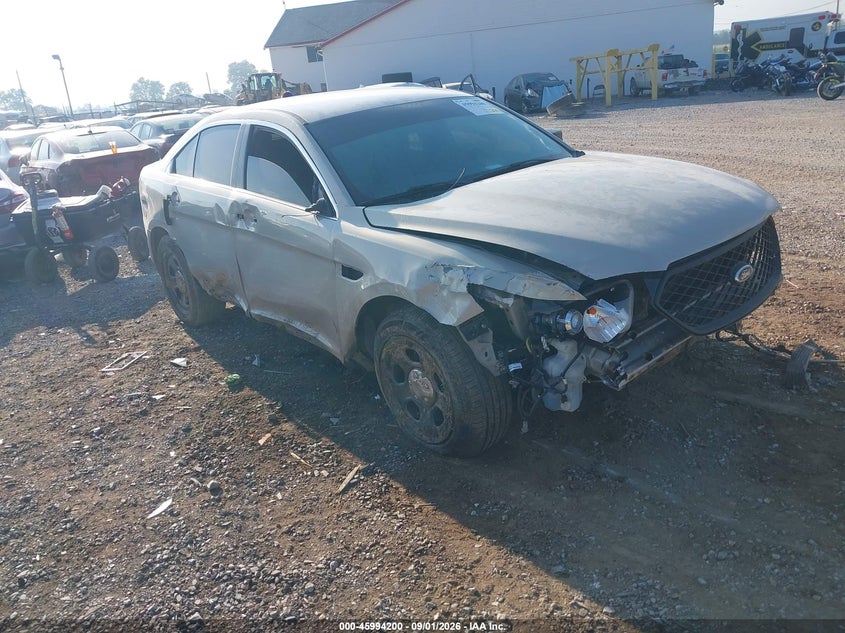
Damage map
If damage records exist for this VIN, the report shows the affected zonesTheft, liens and title
Checks that matter for registration and resaleRecorded condition
What the source noted about the car as it stands- Runs and drives
- No
- Engine starts
- No
- Keys available
- Yes
- Start code
- Stationary
History timeline
Data decoded from the VIN is shown. Records on file, if any, are in the full report.Mileage
Odometer reading as recorded at the sourceEarlier photos may be in the report
Check before you buy
Four things worth checking on any used carFORD POLICE INTERCEPTOR specifications
- VIN
- 1FAHP2M81DG143651
- Make
- FORD
- Model
- POLICE INTERCEPTOR
- Year
- 2013
- Colour
- BROWN
- Fuel
- Gasoline
- Engine
- 3.5 L
- Cylinders
- 6
- Power
- 288 hp
- Transmission
- Automatic
- Drive
- AWD
- Recorded odometer
- 140 237 mi
- Recorded damage
- Front End
What buyers ask about the FORD POLICE INTERCEPTOR
Was this 2013 FORD POLICE INTERCEPTOR damaged before?
The damage in the specifications is what the source noted at the time. Earlier accidents and repairs on file for VIN 1FAHP2M81DG143651, if any, are in the full report.
Can I trust the odometer reading of 140 237 mi?
It is the figure as recorded, not verified. Compare it with the earlier readings in the full report: they can only go up, so a drop points to a wound-back odometer.
In which countries was this car registered?
Registrations abroad seldom reach local registers. If this car was registered in other countries, the full report names them.
Who sells the report, and what does it cost?
An independent partner, selected automatically for each VIN by our system from analytical data. The partner shows the price before you pay; we may earn a commission.
VIN 1FAHP2M81DG143651: history
This record covers a 2013 Ford Police Interceptor, finished in brown. The car runs on petrol. There is an automatic gearbox, with all-wheel drive. The specification is taken from the source data and has not been checked against other documents.
The source data puts the mileage at 140,237 miles. The number on the clock proves little by itself; earlier figures logged at services and inspections are what make it believable.
When the car was recorded, it showed front-end damage. A damage type says what kind of damage the car had, not how serious it was or whether it has been repaired since. Damage rarely stays where it is first seen: an impact can reach the mountings and airbags behind a panel, and water or fire the wiring and electronics.
A note in the source data says the car did not run. An engine that will not start could have a simple electrical fault or internal damage, and only diagnostic work can tell which. A key is on file for the car. Running condition describes a single moment, and standing or work done since can change it.
A salvage title is on file for this car. A title like this is issued when repair was judged uneconomical or unsafe. A branded title follows the car through every change of owner, so it remains part of its history.
A car’s history answers three questions: who kept it, how it was looked after and what went wrong along the way. What a car has been through is seldom visible at first glance, and a respray can make even a badly damaged car look sound.
For the engine, the service history matters most: oil changes, filters and the timing belt or chain are the entries to look for. On a petrol engine, spark plugs, ignition coils and the cooling system are the routine items a service history should cover. With no test drive possible, the automatic gearbox has to be assessed on a lift and with diagnostic equipment. With all-wheel drive, mismatched tyres can strain the centre differential or coupling, so all four should be the same make and similarly worn.
A VIN never contains the letters I, O or Q, which could be mistaken for digits; its 17 characters identify the maker, the model and the individual car. The VIN 1FAHP2M81DG143651 belongs to this 2013 Ford Police Interceptor. A VIN that differs between the documents and the car, or shows signs of tampering, is reason enough to walk away.
A VIN report gathers what different sources know about a car, such as the number of owners, mileage readings, damage and any branded title. No report is complete: a repair done privately and never claimed on insurance leaves nothing to find. A professional inspection makes sense whatever the paperwork shows, because no report measures corrosion, worn bushes or a poor repair. The next step is to look up the history behind VIN 1FAHP2M81DG143651.
Similar FORD POLICE INTERCEPTOR cars
All FORD cars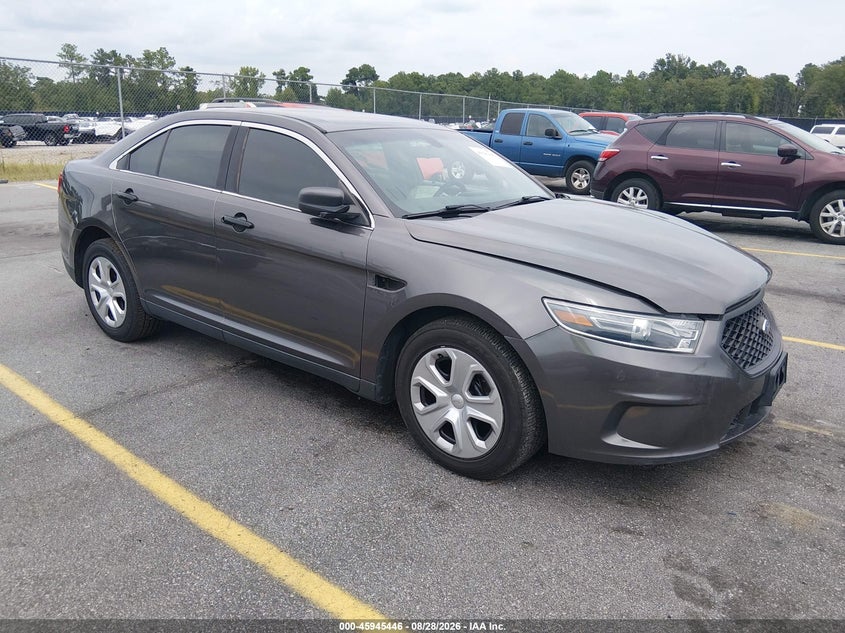 2019 FORD POLICE INTERCEPTOR
1FAHP2•••••••3630
3.7 gasoline · Automatic
Check history
2019 FORD POLICE INTERCEPTOR
1FAHP2•••••••3630
3.7 gasoline · Automatic
Check history
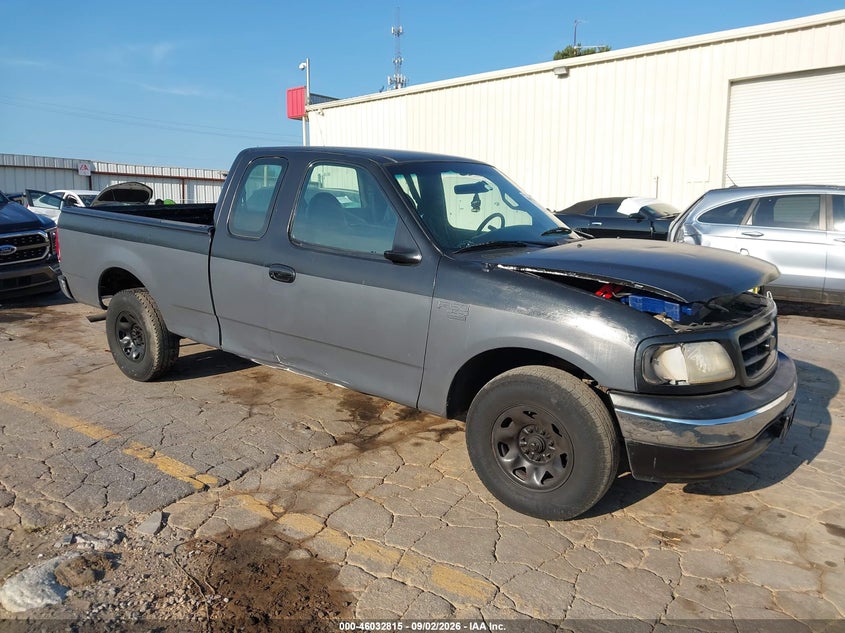 2000 FORD F-150 LARIAT/WORK SERIES/XL/XLT
1FTPX1•••••••2367
5.4 gasoline · Automatic
Check history
2000 FORD F-150 LARIAT/WORK SERIES/XL/XLT
1FTPX1•••••••2367
5.4 gasoline · Automatic
Check history
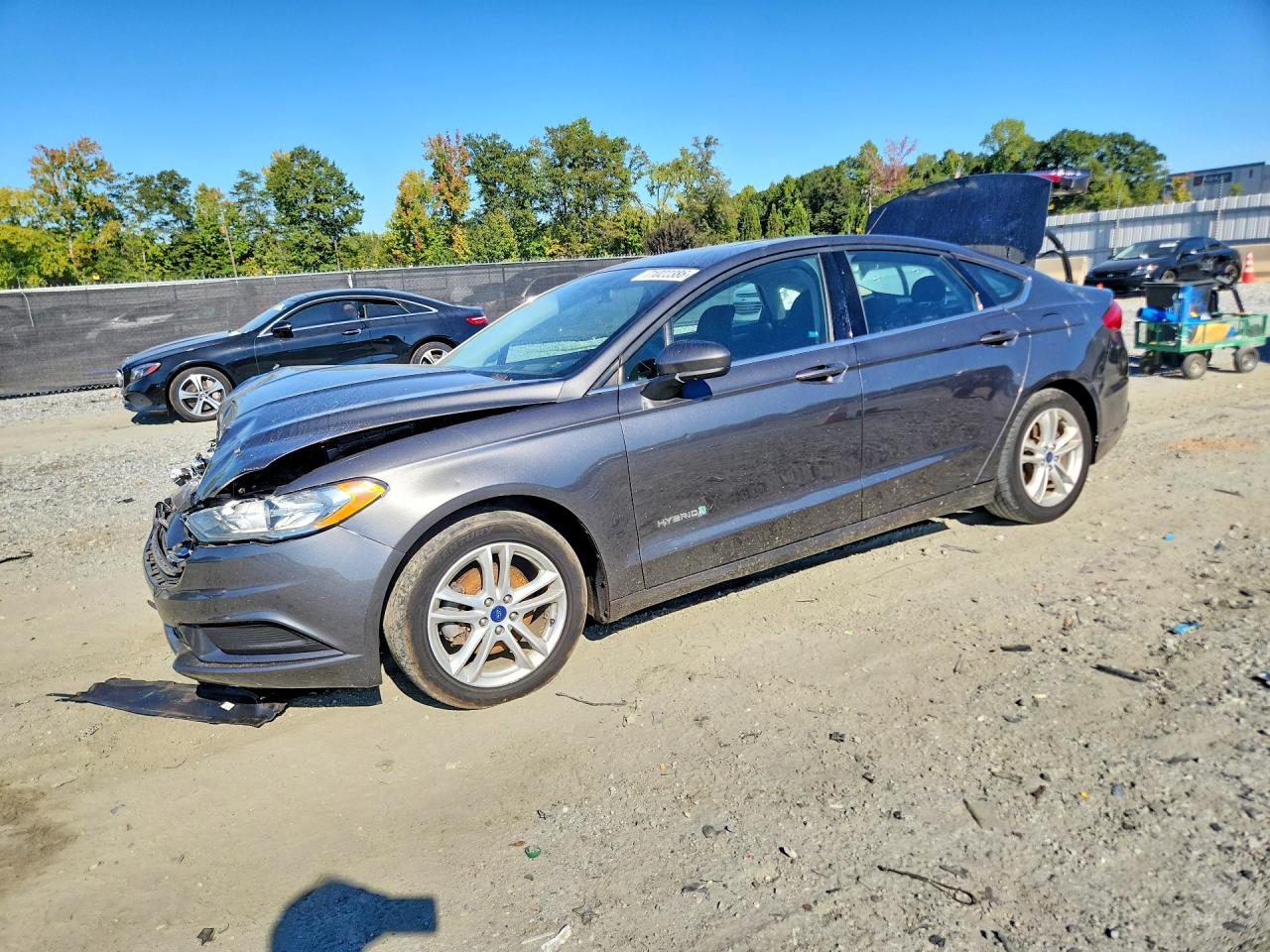 2018 FORD FUSION SE HYBRID
3FA6P0•••••••6597
2.0 hybrid · CVT
Check history
2018 FORD FUSION SE HYBRID
3FA6P0•••••••6597
2.0 hybrid · CVT
Check history
 2012 FORD F-250 LARIAT
1FT7W2•••••••7949
6.7 diesel · Automatic
Check history
2012 FORD F-250 LARIAT
1FT7W2•••••••7949
6.7 diesel · Automatic
Check history