2014 FORD F150 SVT RAPTOR VIN 1FTFW1R62EFA97793
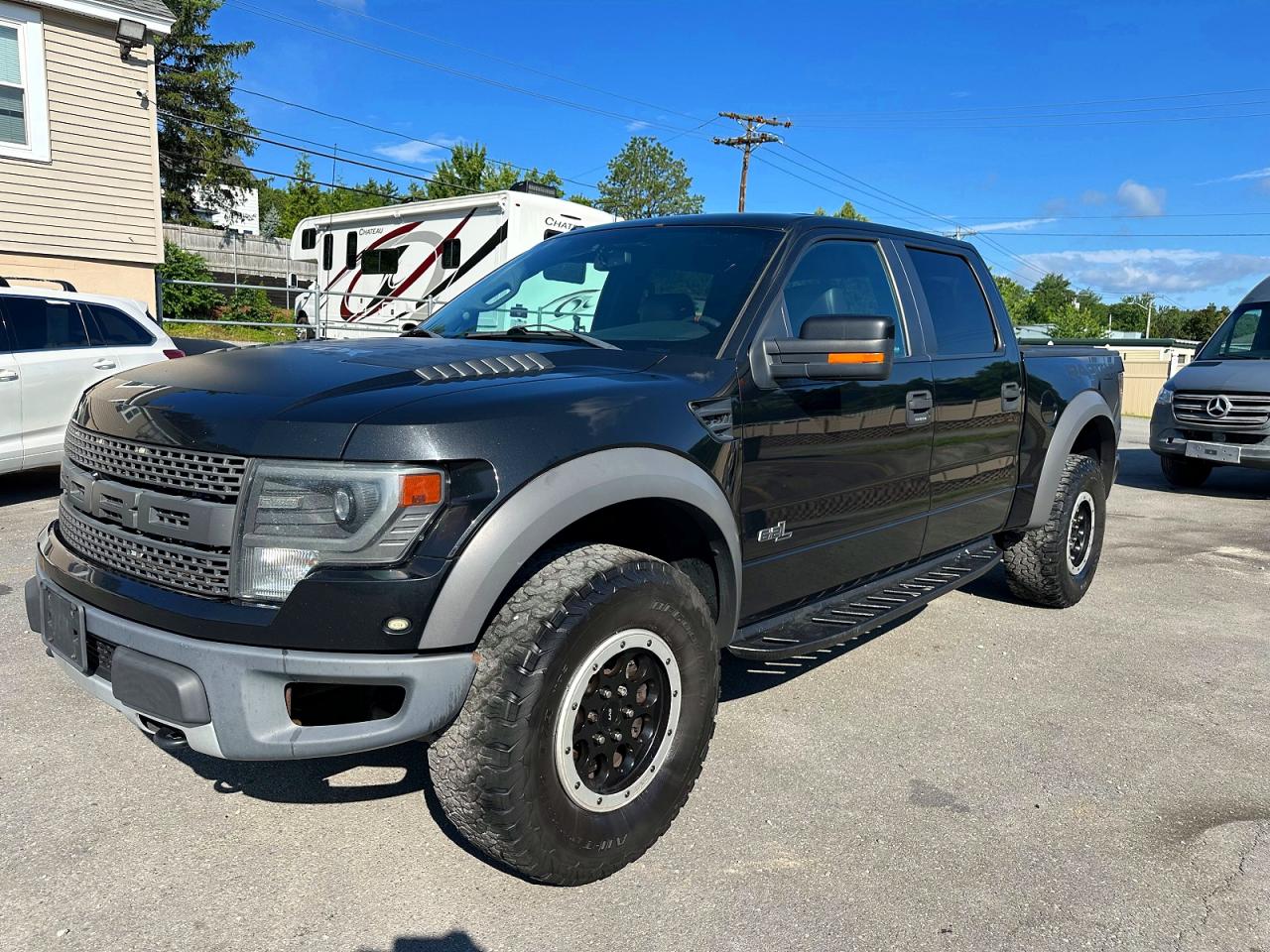
Damage map
If damage records exist for this VIN, the report shows the affected zonesTheft, liens and title
Checks that matter for registration and resaleRecorded condition
What the source noted about the car as it stands- Runs and drives
- Yes
- Engine starts
- Yes
- Keys available
- Yes
- Start code
- Run & Drive
History timeline
Data decoded from the VIN is shown. Records on file, if any, are in the full report.Mileage
Odometer reading as recorded at the sourceEarlier photos may be in the report
Check before you buy
Four things worth checking on any used carFORD F150 SVT RAPTOR specifications
- VIN
- 1FTFW1R62EFA97793
- Make
- FORD
- Model
- F150 SVT RAPTOR
- Year
- 2014
- Colour
- BLACK
- Fuel
- Gasoline
- Engine
- 6.2 L
- Cylinders
- 8
- Power
- 411 hp
- Transmission
- Automatic
- Drive
- 4x4
- Recorded odometer
- 233 081 mi
- Recorded damage
- Minor Dent/Scratches
What buyers ask about the FORD F150 SVT RAPTOR
Was this 2014 FORD F150 SVT RAPTOR damaged before?
The damage in the specifications is what the source noted at the time. Earlier accidents and repairs on file for VIN 1FTFW1R62EFA97793, if any, are in the full report.
Can I trust the odometer reading of 233 081 mi?
It is the figure as recorded, not verified. Compare it with the earlier readings in the full report: they can only go up, so a drop points to a wound-back odometer.
In which countries was this car registered?
Registrations abroad seldom reach local registers. If this car was registered in other countries, the full report names them.
Who sells the report, and what does it cost?
An independent partner, selected automatically for each VIN by our system from analytical data. The partner shows the price before you pay; we may earn a commission.
VIN 1FTFW1R62EFA97793: history
This Ford F150 SVT Raptor was built in 2014. There is an automatic gearbox, with four-wheel drive. Under the bonnet is a 6.2-litre petrol engine. Details for this car come from a single data source and may differ from its documents.
The clock stood at 233,081 miles when the data was entered. The figure is in miles and needs converting before it is compared with kilometres: one mile is about 1.6 km. Averaged over the car’s age, the mileage works out well above the usual annual distance, and wear on the suspension, brakes and interior should be judged with that in mind. Turning back an odometer takes little skill and leaves no visible trace, which is why earlier figures matter more than the display. A service book or a folder of workshop invoices is the simplest place to find past readings.
Primary damage in the record: minor dents and scratches. The damage type is a short label: the extent of the damage and the quality of any repair still have to be judged on the car. Damage rarely stays where it is first seen: an impact can reach the mountings and airbags behind a panel, and water or fire the wiring and electronics.
At the time of recording, the car ran and drove. A key was noted with the car. Running condition describes a single moment, and standing or work done since can change it.
According to the source data, the car has a clean title. With a clean title the car can be registered and insured in the usual way.
Registrations, changes of owner, inspection results and accident claims together make up what is called a car’s history. Pieces of a car’s history sit with registries, dealers, workshops and insurance companies, and none of them sees the whole picture. From the outside, a car with a repaired accident and a car without one can look identical.
A cold start, the colour of the exhaust smoke and any oil leaks tell a mechanic a good deal about how an engine has been treated. On a petrol engine, spark plugs, ignition coils and the cooling system are the routine items a service history should cover. The automatic gearbox should respond smoothly and without delay; jerks, slipping or hesitation on a test drive need investigating. With four-wheel drive, mismatched tyres can strain the centre differential or coupling, so all four should be the same make and similarly worn.
The tenth character of the VIN stands for the model year, and the eleventh for the plant that built the car. This car’s identification number is 1FTFW1R62EFA97793. The number in the car’s documents should match the one stamped into the body and the one on the plate at the base of the windscreen.
What a history report can list depends on what has been documented about the car: registrations, mileage readings, damage, branded titles and theft reports. The absence of an entry is not proof that nothing happened; it may only mean that nobody wrote it down. However complete the paperwork, only an inspection shows the condition of the body, suspension, brakes and electrics today. The history behind VIN 1FTFW1R62EFA97793 is the natural starting point before any decision about this Ford F150 SVT Raptor.
Similar FORD F150 SVT RAPTOR cars
All FORD cars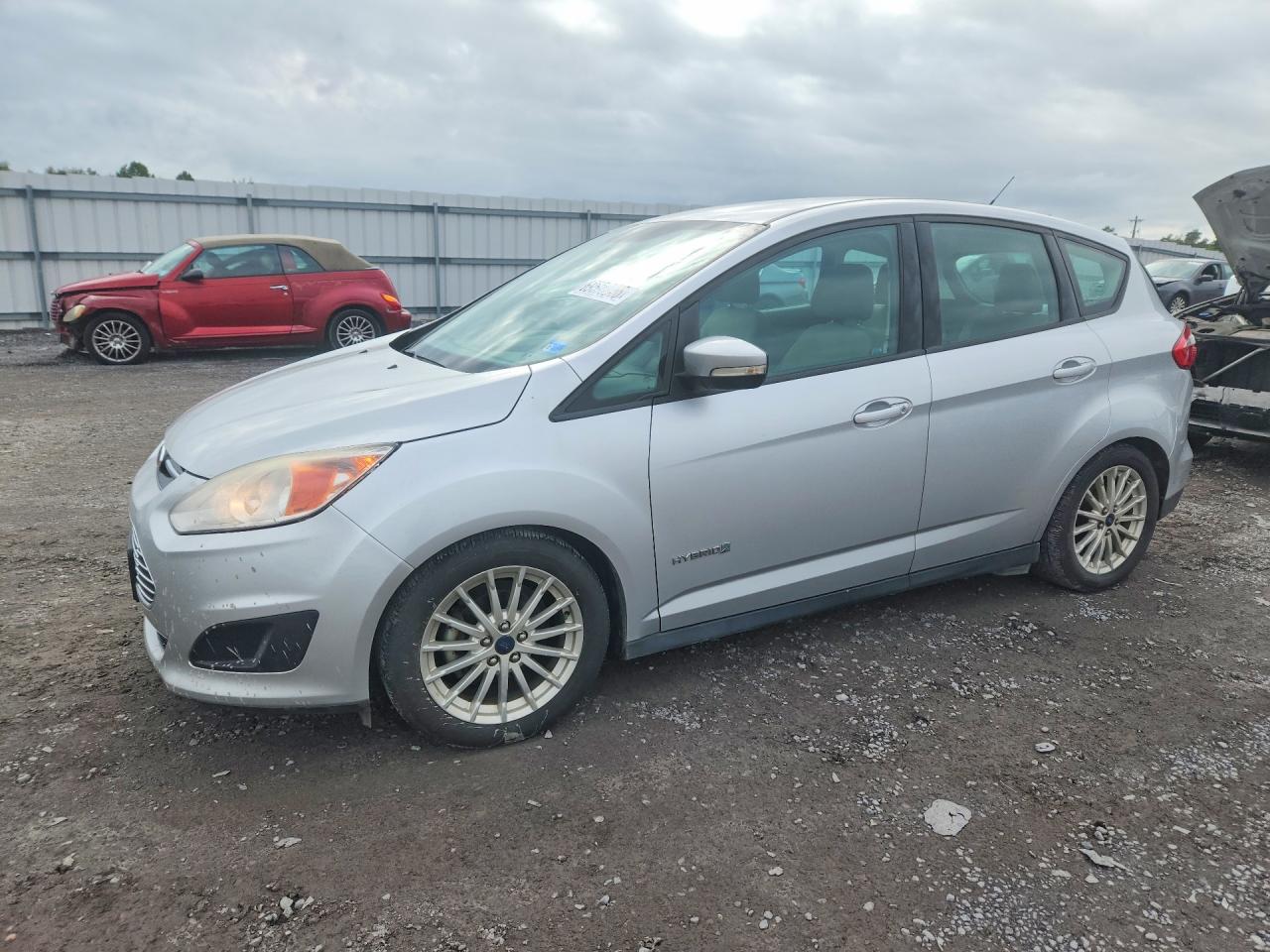 2014 FORD C-MAX SE
1FADP5•••••••7635
2.0 hybrid · Automatic
Check history
2014 FORD C-MAX SE
1FADP5•••••••7635
2.0 hybrid · Automatic
Check history
 2020 FORD ESCAPE SE
1FMCU9•••••••5281
1.5 gasoline · Automatic
Check history
2020 FORD ESCAPE SE
1FMCU9•••••••5281
1.5 gasoline · Automatic
Check history
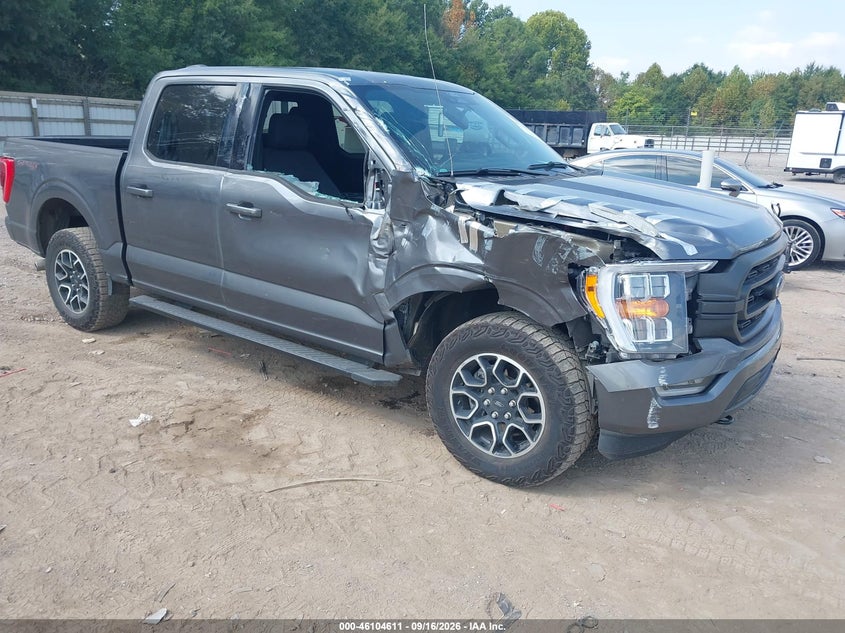 2022 FORD F-150 XLT
1FTFW1•••••••0517
5.0 gasoline · Automatic
Check history
2022 FORD F-150 XLT
1FTFW1•••••••0517
5.0 gasoline · Automatic
Check history
 2024 FORD EXPLORER ST
LOT-3-••••3336
3.0 gasoline · Automatic
Check history
2024 FORD EXPLORER ST
LOT-3-••••3336
3.0 gasoline · Automatic
Check history