2020 FORD EDGE SEL VIN 2FMPK4J98LBA07628
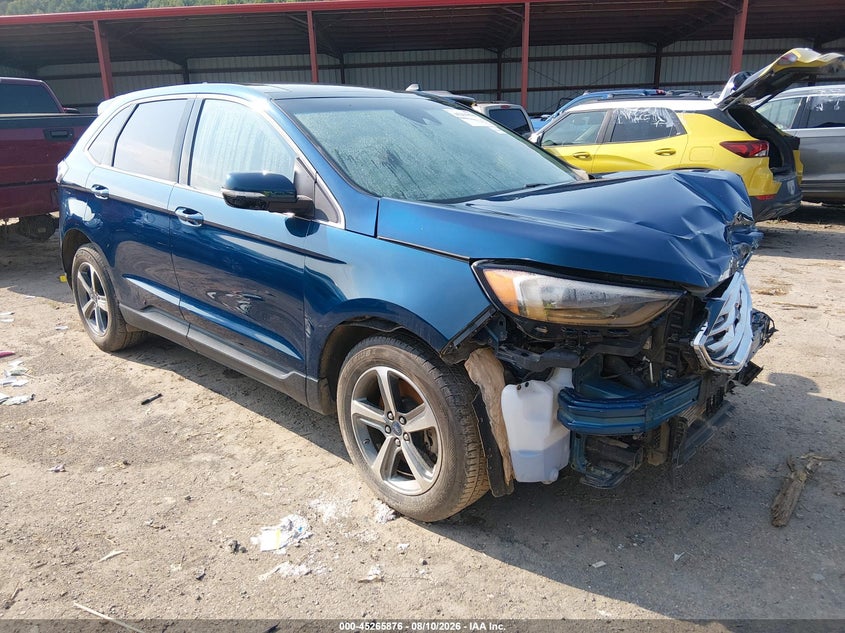
Damage map
If damage records exist for this VIN, the report shows the affected zonesTheft, liens and title
Checks that matter for registration and resaleRecorded condition
What the source noted about the car as it stands- Runs and drives
- No
- Engine starts
- No
- Keys available
- Yes
- Start code
- Stationary
History timeline
Data decoded from the VIN is shown. Records on file, if any, are in the full report.Mileage
Odometer reading as recorded at the sourceEarlier photos may be in the report
Check before you buy
Four things worth checking on any used carFORD EDGE SEL specifications
- VIN
- 2FMPK4J98LBA07628
- Make
- FORD
- Model
- EDGE SEL
- Year
- 2020
- Colour
- BLUE
- Fuel
- Gasoline
- Engine
- 2.0 L
- Cylinders
- 4
- Power
- 250 hp
- Transmission
- Automatic
- Drive
- AWD
- Recorded odometer
- 134 538 mi
- Recorded damage
- Front End
What buyers ask about the FORD EDGE SEL
Was this 2020 FORD EDGE SEL damaged before?
The damage in the specifications is what the source noted at the time. Earlier accidents and repairs on file for VIN 2FMPK4J98LBA07628, if any, are in the full report.
Can I trust the odometer reading of 134 538 mi?
It is the figure as recorded, not verified. Compare it with the earlier readings in the full report: they can only go up, so a drop points to a wound-back odometer.
In which countries was this car registered?
Registrations abroad seldom reach local registers. If this car was registered in other countries, the full report names them.
Who sells the report, and what does it cost?
An independent partner, selected automatically for each VIN by our system from analytical data. The partner shows the price before you pay; we may earn a commission.
VIN 2FMPK4J98LBA07628: history
The Ford Edge SEL described here left the factory in 2020. There is an automatic gearbox, with all-wheel drive. The fuel is petrol. The specification is taken from the source data and has not been checked against other documents.
The record gives the mileage as 134,538 miles. The figure is in miles and needs converting before it is compared with kilometres: one mile is about 1.6 km. The mileage is high for the car’s age, so the suspension, brakes, seats and steering wheel deserve a close look. A single figure proves little: what makes a mileage believable is a series of readings that rise steadily over the years. Title paperwork often notes the mileage at each change of owner, which makes it a useful cross-check.
In the source data, the main issue is front-end damage. Two cars with the same damage label can be very different: one needs a few new parts, the other major work. Damage rarely stays where it is first seen: an impact can reach the mountings and airbags behind a panel, and water or fire the wiring and electronics.
As a non-runner, the car needs its engine, gearbox and electrics assessed before anything else. An engine that will not start could have a simple electrical fault or internal damage, and only diagnostic work can tell which. A key is on file for the car.
A salvage title is on file for this car. A title of this kind usually means the car was written off as a total loss after damage. If any work has been done on the car since, photos and invoices should show what was replaced.
A car’s history is the sum of what has happened to it since it was new, and most of it has left a trace on paper somewhere. Pieces of a car’s history sit with registries, dealers, workshops and insurance companies, and none of them sees the whole picture. A clean, polished car can still hide a serious accident, a flood or years of hard use.
Regular oil changes and timely work on the timing belt or chain decide how well an engine copes with age. Many modern petrol engines are turbocharged and direct-injected; where they are, the turbocharger and injectors belong on a specialist’s checklist. With no test drive possible, the automatic gearbox has to be assessed on a lift and with diagnostic equipment. With all-wheel drive, mismatched tyres can strain the centre differential or coupling, so all four should be the same make and similarly worn.
The tenth character of the VIN stands for the model year, and the eleventh for the plant that built the car. This car’s identification number is 2FMPK4J98LBA07628.
Where entries exist, a VIN check can show changes of owner, past mileage readings, reported damage and whether the car is listed as stolen. A VIN check and a physical inspection answer different questions: the first says what happened to the car, the second what condition it is in now. With this 2020 Ford Edge SEL, the first step is a look at the history behind VIN 2FMPK4J98LBA07628.
Similar FORD EDGE SEL cars
All FORD cars 2016 FORD EDGE SEL
2FMPK4•••••••0717
2.0 gasoline · Automatic
Check history
2016 FORD EDGE SEL
2FMPK4•••••••0717
2.0 gasoline · Automatic
Check history
 2015 FORD EDGE SEL
2FMTK4•••••••5691
2.0 gasoline · Automatic
Check history
2015 FORD EDGE SEL
2FMTK4•••••••5691
2.0 gasoline · Automatic
Check history
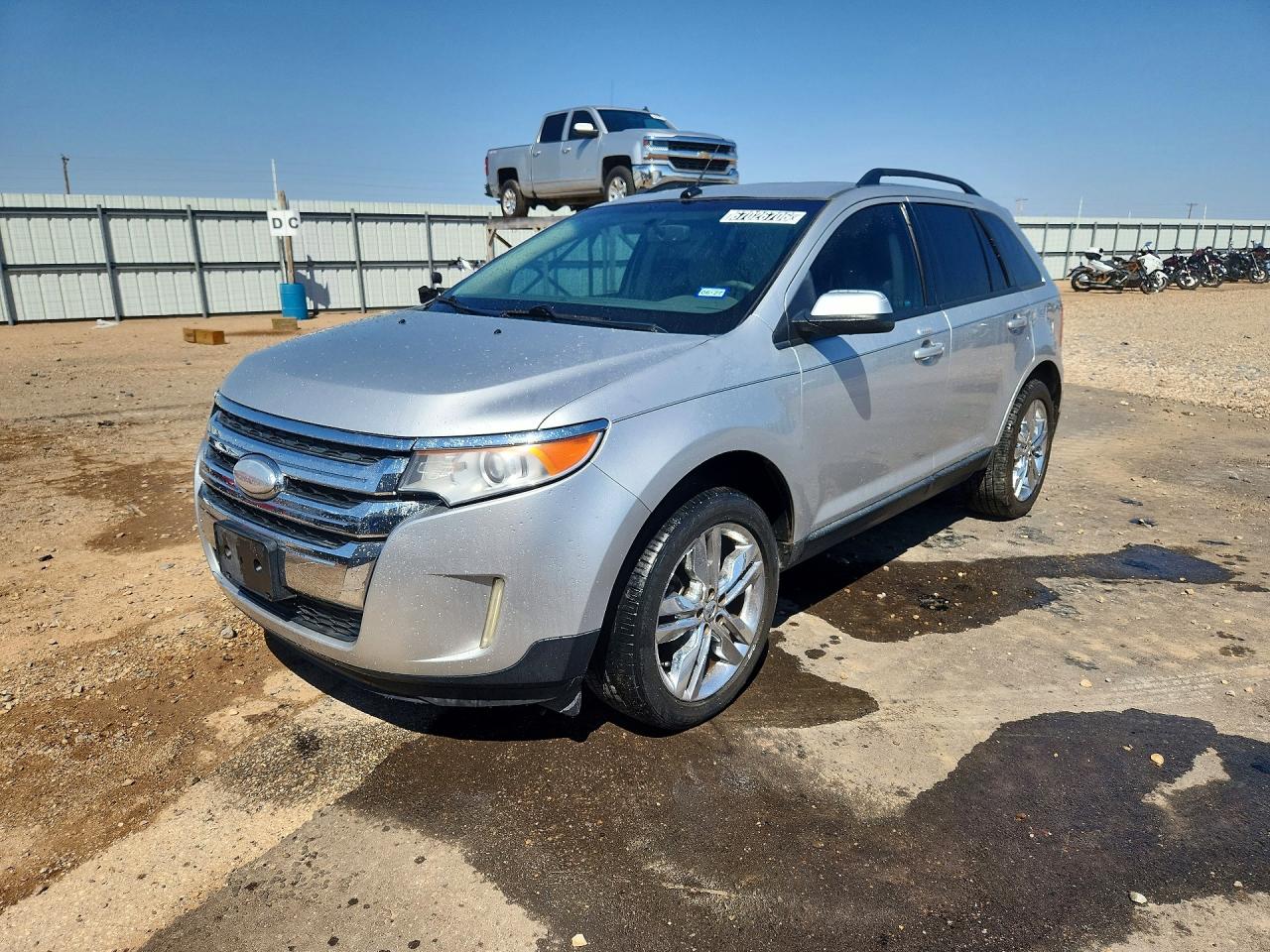 2012 FORD EDGE SEL
2FMDK3•••••••9273
3.5 gasoline · Automatic
Check history
2012 FORD EDGE SEL
2FMDK3•••••••9273
3.5 gasoline · Automatic
Check history
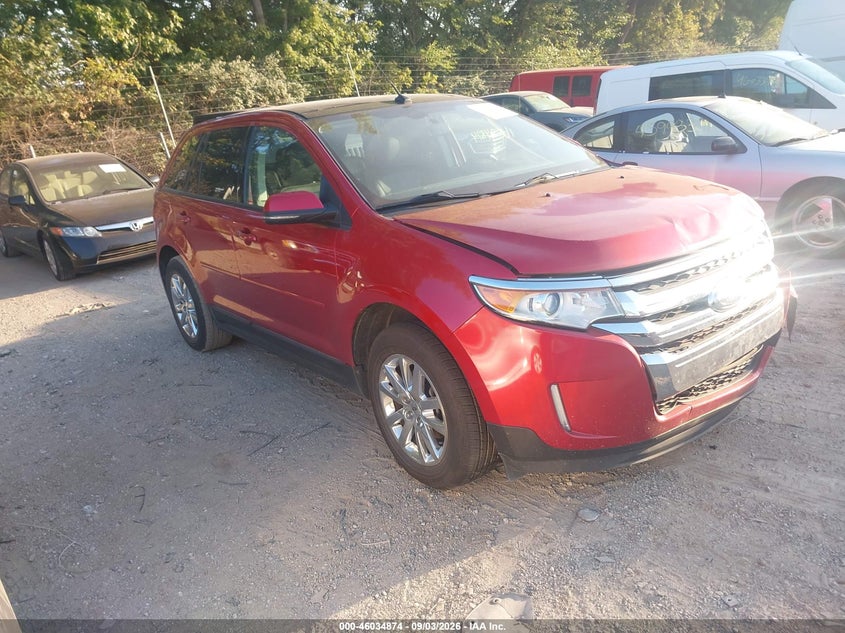 2012 FORD EDGE SEL
2FMDK3•••••••8415
2.0 gasoline · Automatic
Check history
2012 FORD EDGE SEL
2FMDK3•••••••8415
2.0 gasoline · Automatic
Check history