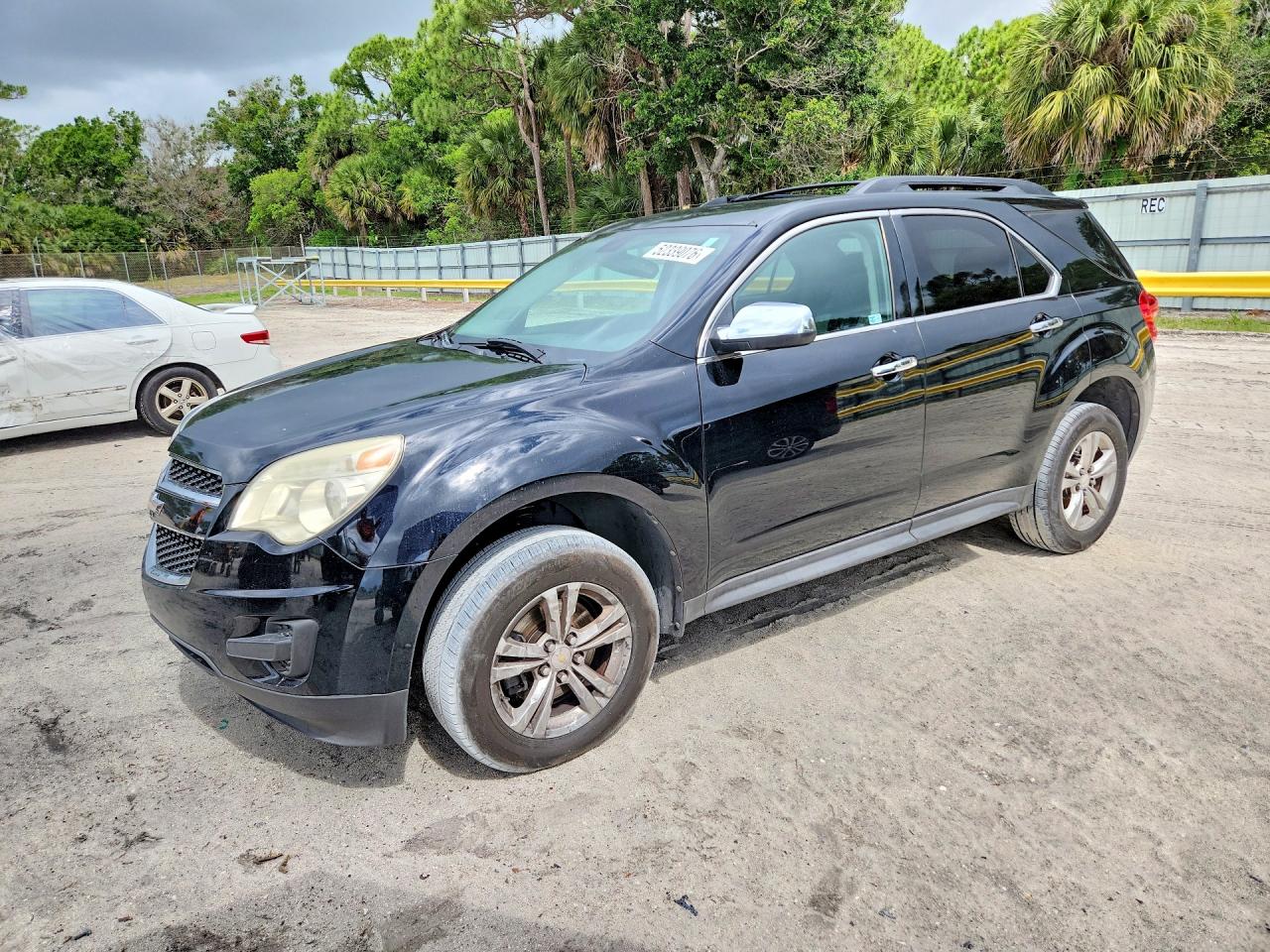
2019 CHEVROLET EQUINOX LT VIN 2GNAXJEV5K6231990

Damage map
If damage records exist for this VIN, the report shows the affected zonesTheft, liens and title
Checks that matter for registration and resaleRecorded condition
What the source noted about the car as it stands- Runs and drives
- Yes
- Engine starts
- Yes
- Keys available
- Yes
- Start code
- Run & Drive
History timeline
Data decoded from the VIN is shown. Records on file, if any, are in the full report.Mileage
Odometer reading as recorded at the sourceEarlier photos may be in the report
Check before you buy
Four things worth checking on any used carCHEVROLET EQUINOX LT specifications
- VIN
- 2GNAXJEV5K6231990
- Make
- CHEVROLET
- Model
- EQUINOX LT
- Year
- 2019
- Colour
- BLACK
- Fuel
- Gasoline
- Engine
- 1.5 L
- Cylinders
- 4
- Power
- 170 hp
- Transmission
- Automatic
- Drive
- FWD
- Recorded odometer
- 182 510 mi
- Recorded damage
- Biohazard
What buyers ask about the CHEVROLET EQUINOX LT
Was this 2019 CHEVROLET EQUINOX LT damaged before?
The damage in the specifications is what the source noted at the time. Earlier accidents and repairs on file for VIN 2GNAXJEV5K6231990, if any, are in the full report.
Can I trust the odometer reading of 182 510 mi?
It is the figure as recorded, not verified. Compare it with the earlier readings in the full report: they can only go up, so a drop points to a wound-back odometer.
In which countries was this car registered?
Registrations abroad seldom reach local registers. If this car was registered in other countries, the full report names them.
Who sells the report, and what does it cost?
An independent partner, selected automatically for each VIN by our system from analytical data. The partner shows the price before you pay; we may earn a commission.
VIN 2GNAXJEV5K6231990: history
The Chevrolet Equinox LT described here left the factory in 2019. Under the bonnet is a 1.5-litre petrol engine. The gearbox is automatic. Details for this car come from a single data source and may differ from its documents.
The car was recorded with 182,510 miles on the clock. Because the clock counts miles, any figure noted in kilometres has to be converted before the two can be compared. Averaged over the car’s age, the mileage works out well above the usual annual distance, and wear on the suspension, brakes and interior should be judged with that in mind. A later figure lower than an earlier one points to a replaced instrument cluster or an odometer that has been wound back. Figures carry most weight when they come from independent sources: workshops, inspection stations and past title paperwork.
The source data names no primary damage. That shows only that none was entered, so the body still deserves a close look. Paint depth, panel gaps and the underbody show whether the body has been repaired.
The record notes that the car ran and drove. A key is on file for the car. A condition note describes the car at one moment; months of standing or later work on the car can change the picture in either direction.
According to the source data, the car has a salvage title. A title like this is issued when repair was judged uneconomical or unsafe. If any work has been done on the car since, photos and invoices should show what was replaced.
Behind every used car lies a string of events: who owned it and for how long, what the inspections found and which repairs and claims were made. The paperwork is kept by different bodies – registries, workshops, insurance companies and lenders – so the history of one car is spread across many places. Much of a car’s past cannot be seen: a good body repair leaves no obvious mark, and neither do years of hard driving.
A cold start, the colour of the exhaust smoke and any oil leaks tell a mechanic a good deal about how an engine has been treated. Many modern petrol engines are turbocharged and direct-injected; where they are, the turbocharger and injectors belong on a specialist’s checklist. The automatic gearbox should respond smoothly and without delay; jerks, slipping or hesitation on a test drive need investigating.
The tenth character of the VIN stands for the model year, and the eleventh for the plant that built the car. The record gives the VIN as 2GNAXJEV5K6231990. The VIN usually appears at the base of the windscreen, on a door pillar and stamped into the body, and all of them should match the documents.
Depending on what is on file, a VIN report may include past registrations, mileage readings, damage entries, branded titles and theft checks. No report is complete: a repair done privately and never claimed on insurance leaves nothing to find. A professional inspection makes sense whatever the paperwork shows, because no report measures corrosion, worn bushes or a poor repair. Before any decision, check what is known about VIN 2GNAXJEV5K6231990.
Similar CHEVROLET EQUINOX LT cars
All CHEVROLET cars 2019 CHEVROLET EQUINOX LT
2GNAXK•••••••9646
1.5 gasoline · Automatic
Check history
2019 CHEVROLET EQUINOX LT
2GNAXK•••••••9646
1.5 gasoline · Automatic
Check history
 2019 CHEVROLET EQUINOX LT
2GNAXL•••••••3870
2.0 gasoline · Automatic
Check history
2019 CHEVROLET EQUINOX LT
2GNAXL•••••••3870
2.0 gasoline · Automatic
Check history
 2017 CHEVROLET EQUINOX LT
2GNALC•••••••5011
2.4 gasoline · Automatic
Check history
2017 CHEVROLET EQUINOX LT
2GNALC•••••••5011
2.4 gasoline · Automatic
Check history
 2011 CHEVROLET EQUINOX LT
2CNALD•••••••0941
2.4 gasoline · Automatic
Check history
2011 CHEVROLET EQUINOX LT
2CNALD•••••••0941
2.4 gasoline · Automatic
Check history