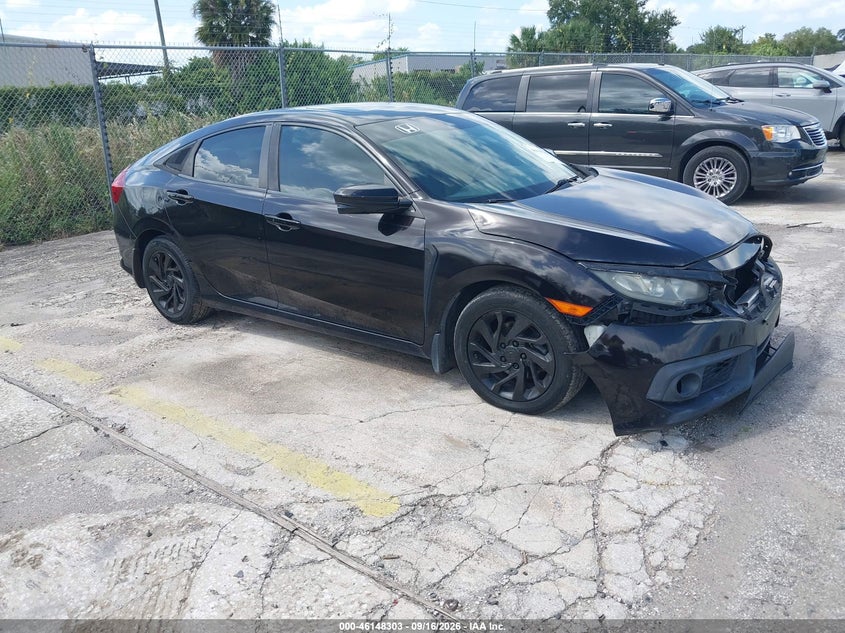
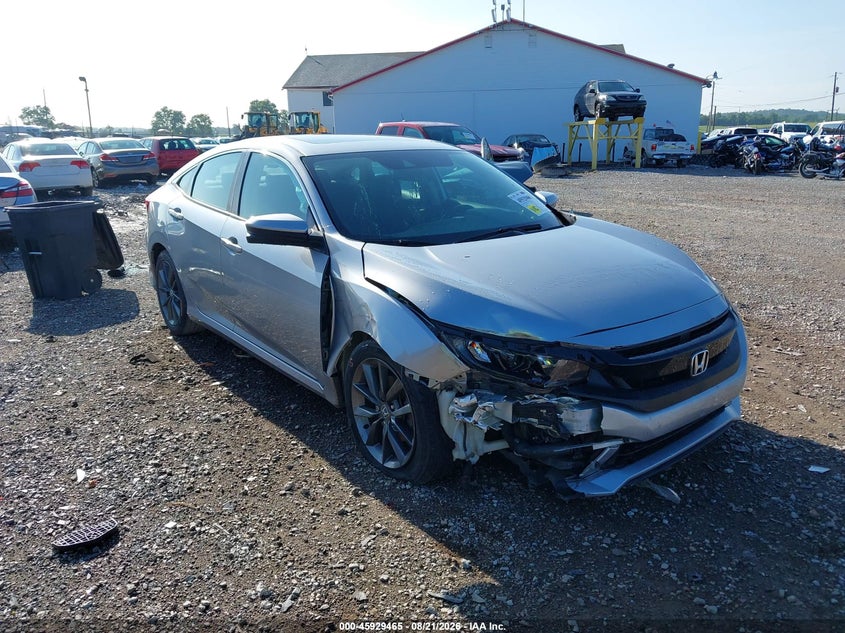
2013 HONDA CIVIC EX VIN 2HGFB2F82DH502525
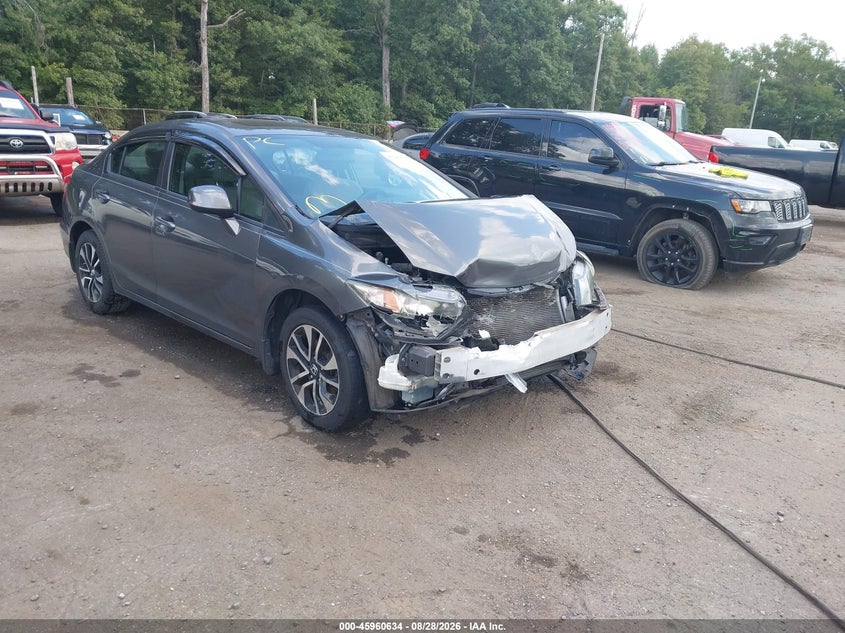
Damage map
If damage records exist for this VIN, the report shows the affected zonesTheft, liens and title
Checks that matter for registration and resaleRecorded condition
What the source noted about the car as it stands- Runs and drives
- No
- Engine starts
- No
- Keys available
- Yes
- Start code
- Stationary
History timeline
Data decoded from the VIN is shown. Records on file, if any, are in the full report.Mileage
Odometer reading as recorded at the sourceEarlier photos may be in the report
Check before you buy
Four things worth checking on any used carHONDA CIVIC EX specifications
- VIN
- 2HGFB2F82DH502525
- Make
- HONDA
- Model
- CIVIC EX
- Year
- 2013
- Colour
- GRAY
- Fuel
- Gasoline
- Engine
- 1.8 L
- Cylinders
- 4
- Power
- 140 hp
- Transmission
- Automatic
- Drive
- FWD
- Recorded odometer
- 118 236 mi
- Recorded damage
- Front End
What buyers ask about the HONDA CIVIC EX
Was this 2013 HONDA CIVIC EX damaged before?
The damage in the specifications is what the source noted at the time. Earlier accidents and repairs on file for VIN 2HGFB2F82DH502525, if any, are in the full report.
Can I trust the odometer reading of 118 236 mi?
It is the figure as recorded, not verified. Compare it with the earlier readings in the full report: they can only go up, so a drop points to a wound-back odometer.
In which countries was this car registered?
Registrations abroad seldom reach local registers. If this car was registered in other countries, the full report names them.
Who sells the report, and what does it cost?
An independent partner, selected automatically for each VIN by our system from analytical data. The partner shows the price before you pay; we may earn a commission.
VIN 2HGFB2F82DH502525: history
This Honda Civic EX was built in 2013. Power comes from a 1.8-litre petrol engine with four cylinders. The drivetrain combines an automatic gearbox with front-wheel drive. Every figure for this car is given as it appears in the source data.
The record gives the mileage as 118,236 miles. A clock converted from miles to kilometres should be documented, since the swap can hide the true mileage. Gaps of several years between logged figures deserve attention, as does any reading lower than the one before it. Older figures usually turn up on service invoices, inspection reports and past title paperwork.
Primary damage in the record: front end. A damage type says what kind of damage the car had, not how serious it was or whether it has been repaired since.
As a non-runner, the car needs its engine, gearbox and electrics assessed before anything else. The engine would not start, which can mean anything from a flat battery to serious mechanical damage. A key is on file for the car. A condition note describes the car at one moment; months of standing or later work on the car can change the picture in either direction.
The car carries a salvage title. A title like this is issued when repair was judged uneconomical or unsafe. Once issued, a branded title stays with the VIN for good, and it affects registration and insurance for every later owner.
A car’s history answers three questions: who kept it, how it was looked after and what went wrong along the way. A car’s paperwork is scattered: the registry knows about owners, the workshop about repairs and the insurance company about claims. A car’s past rarely shows on the paintwork: a well-repaired accident or water damage that was dried out is easy to miss.
An engine that has had its oil changed on time is far less likely to cause trouble later, and workshop invoices are the proof. On a petrol engine, spark plugs, ignition coils and the cooling system are the routine items a service history should cover. On a car that does not run, the automatic gearbox cannot be judged on the road; the colour and smell of its fluid and a diagnostic scan give the first clues.
The VIN is a 17-character code assigned at the factory: it identifies the manufacturer, the model and its variant, and ends with a serial number unique to the car. This car’s identification number is 2HGFB2F82DH502525.
A VIN report gathers what different sources know about a car, such as the number of owners, mileage readings, damage and any branded title. A repair paid for in cash at a small workshop leaves no trace in any database, so no report can list it. A history report says nothing about the car’s present condition: the frame, corrosion, electrics and the quality of any repair are judged on a lift by a mechanic. The next step is to look up the history behind VIN 2HGFB2F82DH502525.