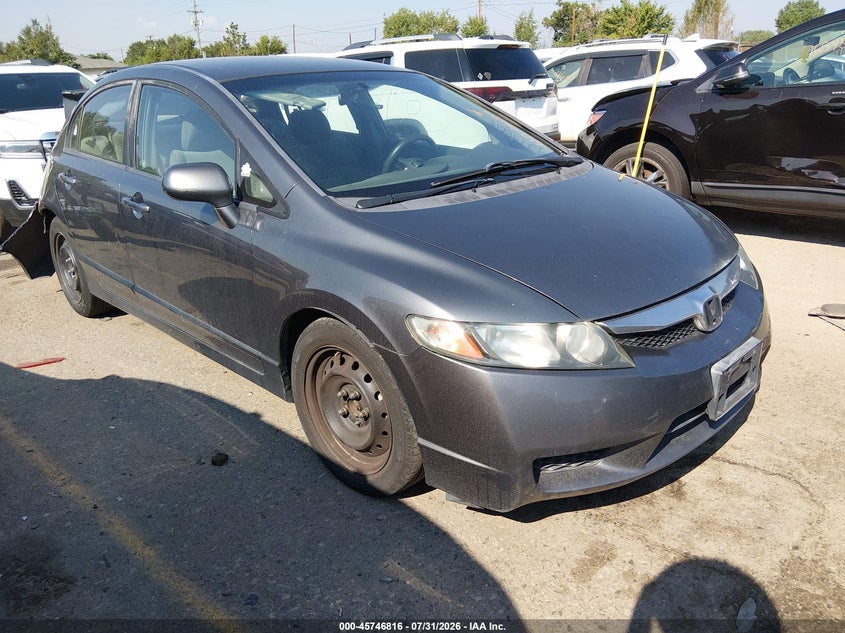
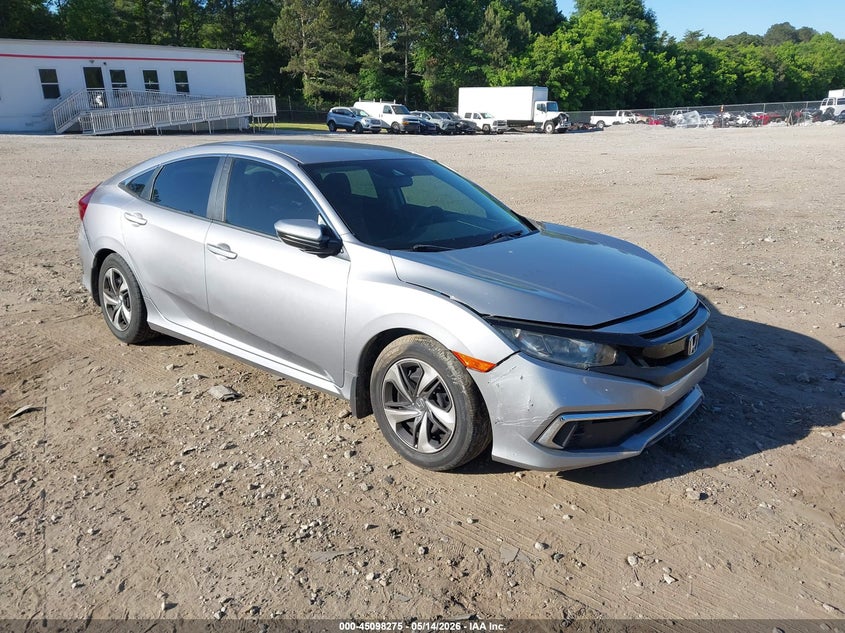
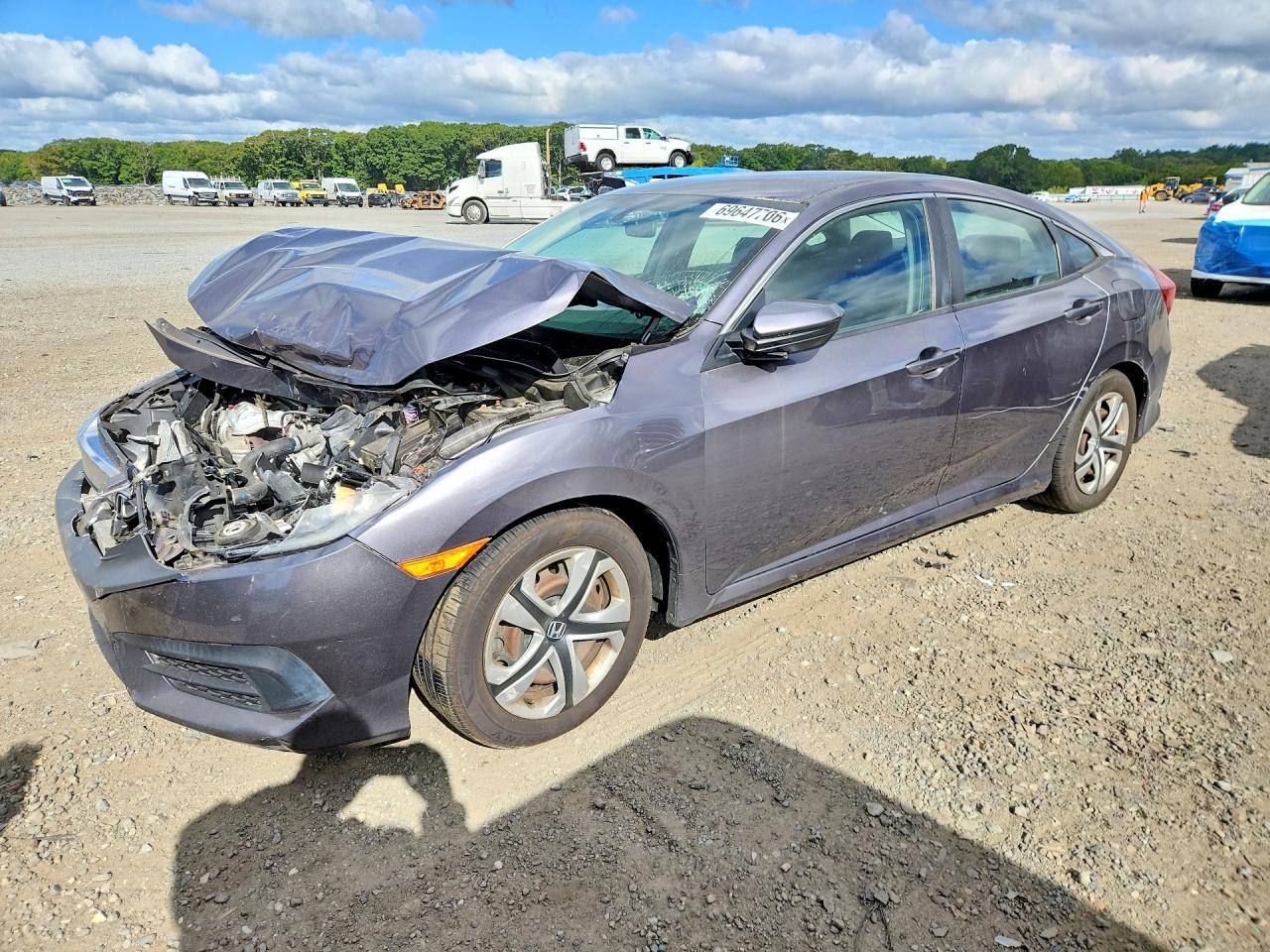
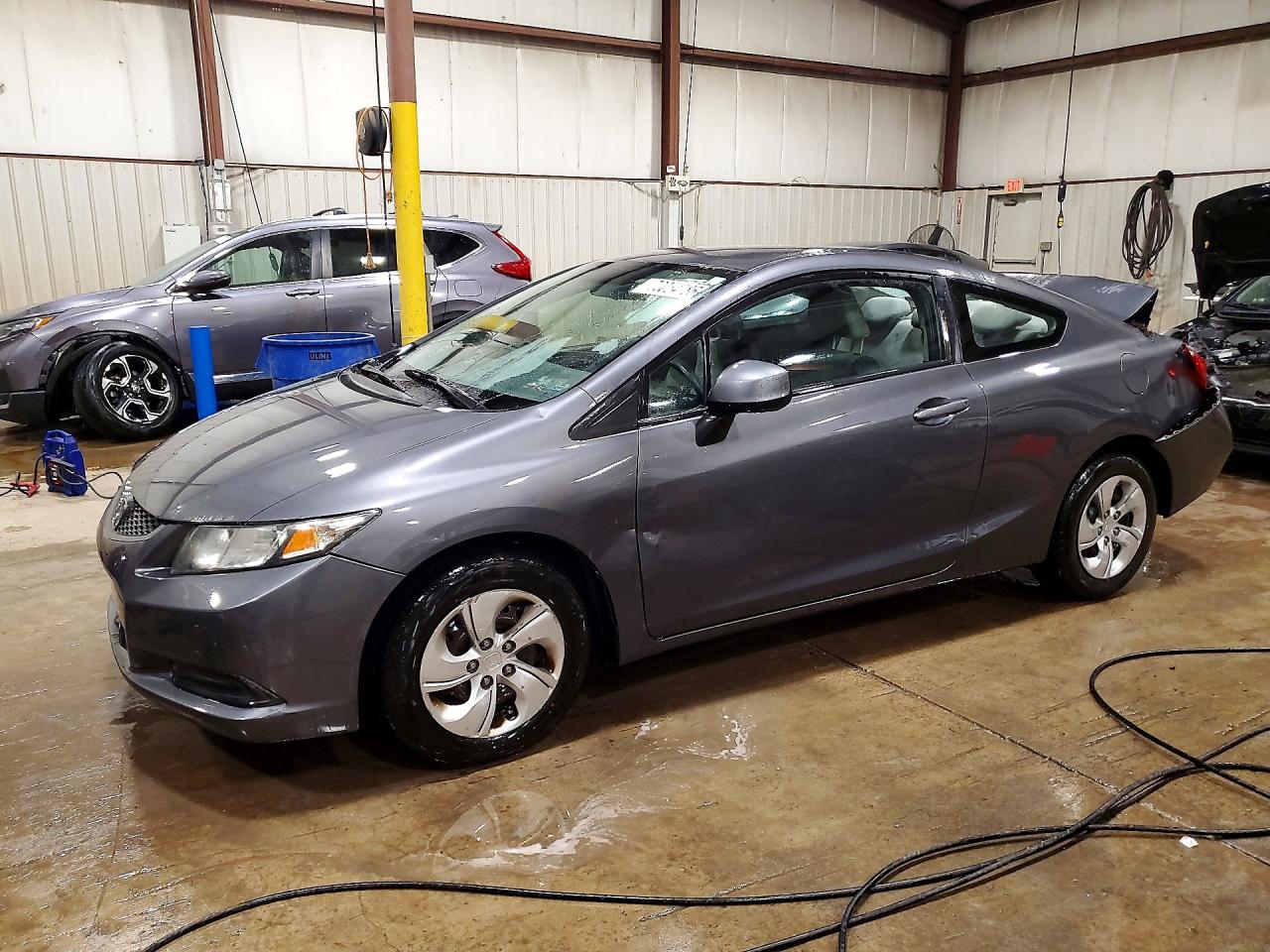
2015 HONDA CIVIC LX VIN 2HGFG3B54FH527237
Damage map
If damage records exist for this VIN, the report shows the affected zonesTheft, liens and title
Checks that matter for registration and resaleRecorded condition
What the source noted about the car as it stands- Keys available
- No
- Start code
- Enhanced
History timeline
Data decoded from the VIN is shown. Records on file, if any, are in the full report.Mileage
Odometer reading as recorded at the sourceEarlier photos may be in the report
Check before you buy
Four things worth checking on any used carHONDA CIVIC LX specifications
- VIN
- 2HGFG3B54FH527237
- Make
- HONDA
- Model
- CIVIC LX
- Year
- 2015
- Colour
- BLACK
- Fuel
- Gasoline
- Engine
- 1.8 L
- Cylinders
- 4
- Power
- 143 hp
- Transmission
- CVT
- Drive
- FWD
- Recorded odometer
- 174 983 mi
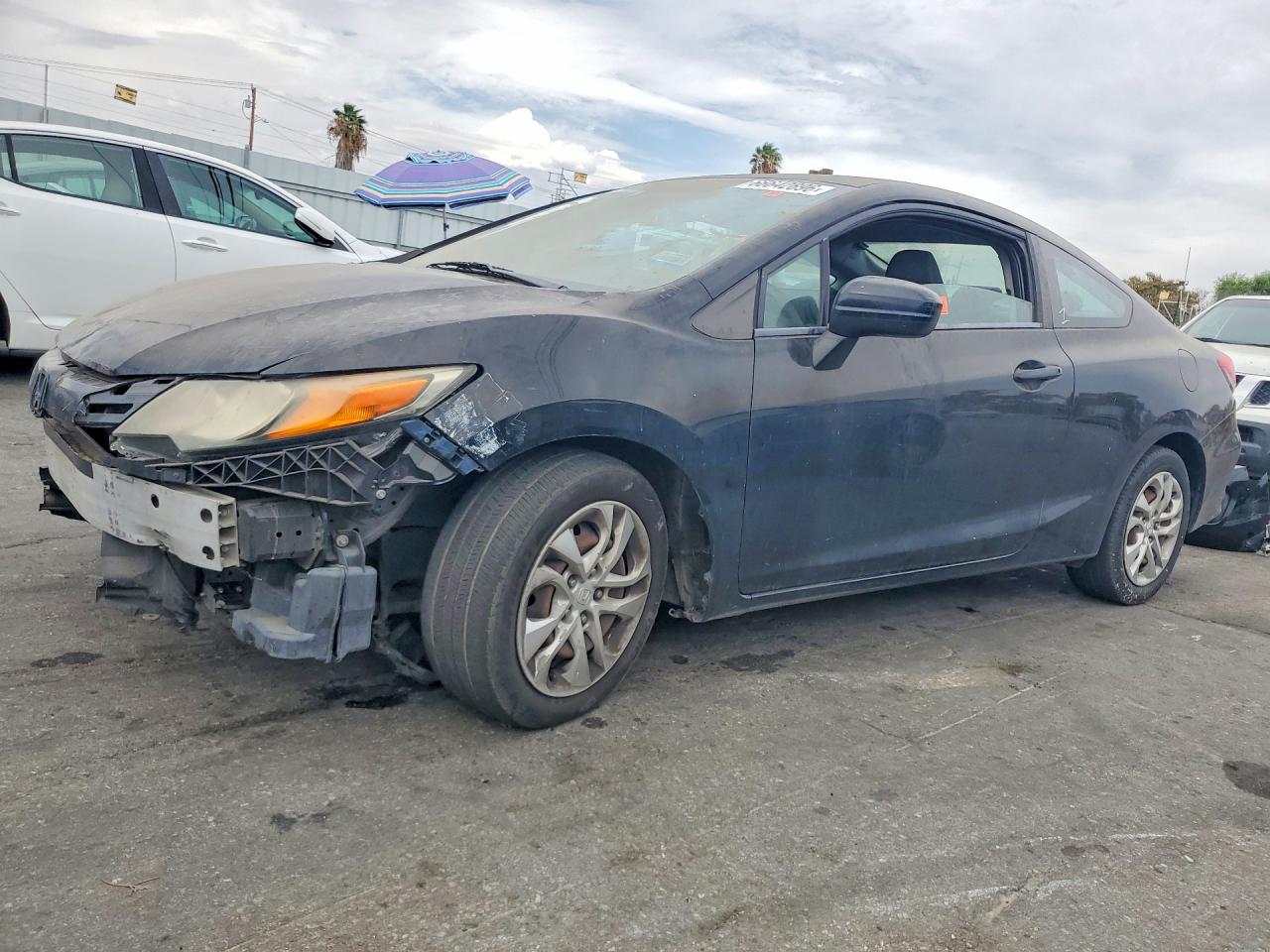
- Recorded damage
- Front End
What buyers ask about the HONDA CIVIC LX
Was this 2015 HONDA CIVIC LX damaged before?
The damage in the specifications is what the source noted at the time. Earlier accidents and repairs on file for VIN 2HGFG3B54FH527237, if any, are in the full report.
Can I trust the odometer reading of 174 983 mi?
It is the figure as recorded, not verified. Compare it with the earlier readings in the full report: they can only go up, so a drop points to a wound-back odometer.
In which countries was this car registered?
Registrations abroad seldom reach local registers. If this car was registered in other countries, the full report names them.
Who sells the report, and what does it cost?
An independent partner, selected automatically for each VIN by our system from analytical data. The partner shows the price before you pay; we may earn a commission.
VIN 2HGFG3B54FH527237: history
The Honda Civic LX described here left the factory in 2015. The petrol engine has four cylinders and produces 143 hp. The gearbox is continuously variable (CVT).
The clock stood at 174,983 miles when the data was entered. Because the clock counts miles, any figure noted in kilometres has to be converted before the two can be compared. A car that has covered this much distance for its age has worked hard, and a mechanic should judge the wear accordingly. Turning back an odometer takes little skill and leaves no visible trace, which is why earlier figures matter more than the display. Older figures usually turn up on service invoices, inspection reports and past title paperwork.
Primary damage in the record: front end. Whether the damage has been repaired since, and how well, is not something a damage entry can show. Whatever the cause, a diagnostic scan of the car’s electronics shows fault codes that a visual check misses.
Without a key, a modern car needs a replacement coded to its immobiliser before it can even be started.
A car’s history is the sum of what has happened to it since it was new, and most of it has left a trace on paper somewhere. No single office holds the whole story of a car: registries, workshops, insurance companies and lenders each keep their own part. From the outside, a car with a repaired accident and a car without one can look identical.
A petrol engine in good order starts cleanly, idles evenly and pulls without hesitation. Automatic transmissions, CVTs included, are expensive to repair, so the test drive should include pulling away from a standstill and a stretch at motorway speed.
The tenth character of the VIN stands for the model year, and the eleventh for the plant that built the car. The VIN on file for this car is 2HGFG3B54FH527237.
A VIN report gathers what different sources know about a car, such as the number of owners, mileage readings, damage and any branded title. A history report says nothing about the car’s present condition: the frame, corrosion, electrics and the quality of any repair are judged on a lift by a mechanic. Look up the history of VIN 2HGFG3B54FH527237 first, and let what it shows guide the inspection.