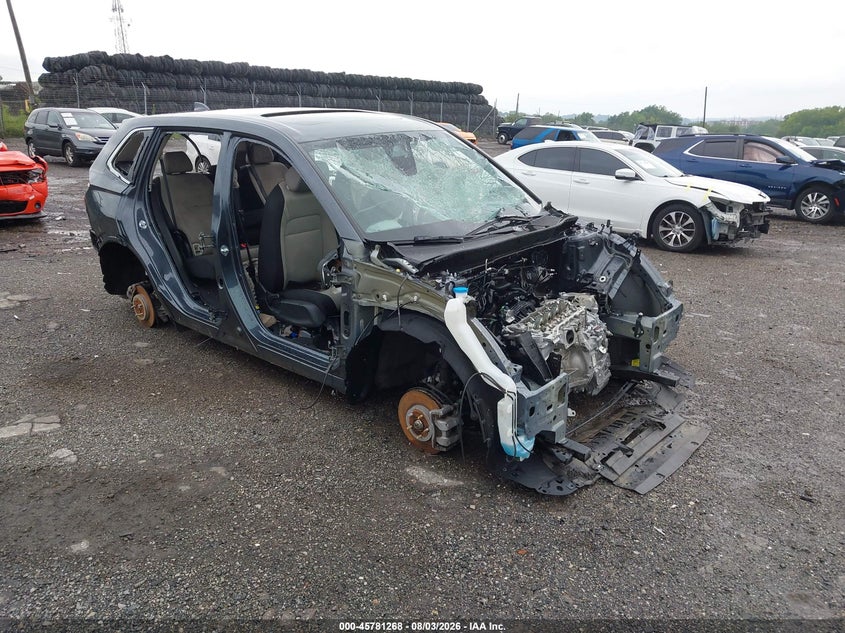
2026 HONDA CR-V EX AWD VIN 2HKRS4H42TH469033
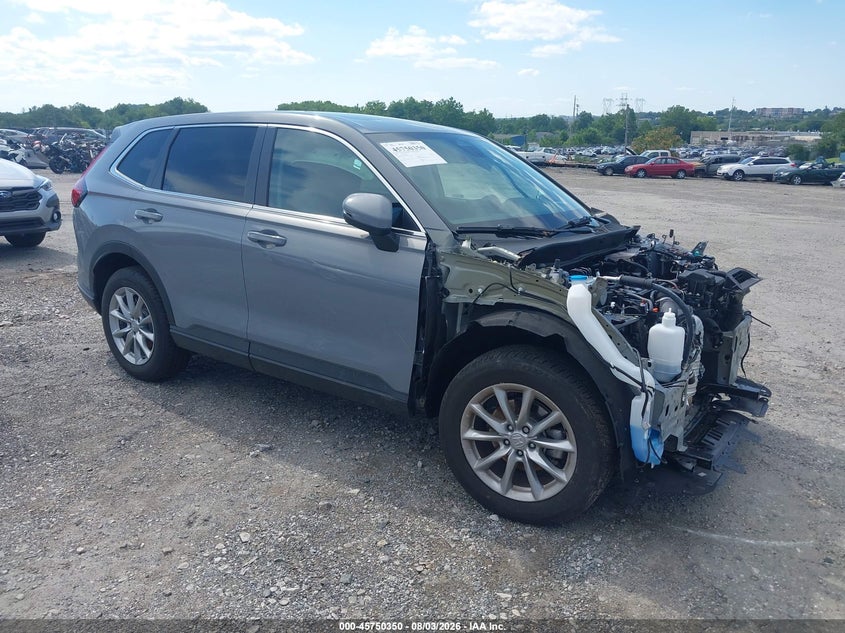
Damage map
If damage records exist for this VIN, the report shows the affected zonesTheft, liens and title
Checks that matter for registration and resaleRecorded condition
What the source noted about the car as it stands- Runs and drives
- No
- Engine starts
- No
- Keys available
- Yes
- Start code
- Stationary
History timeline
Data decoded from the VIN is shown. Records on file, if any, are in the full report.Mileage
Odometer reading as recorded at the sourceEarlier photos may be in the report
Check before you buy
Four things worth checking on any used carHONDA CR-V EX AWD specifications
- VIN
- 2HKRS4H42TH469033
- Make
- HONDA
- Model
- CR-V EX AWD
- Year
- 2026
- Colour
- GRAY
- Fuel
- Gasoline
- Engine
- 1.5 L
- Cylinders
- 4
- Power
- 190 hp
- Transmission
- CVT
- Drive
- 4x4
- Recorded odometer
- 1 mi
- Recorded damage
- Theft
What buyers ask about the HONDA CR-V EX AWD
Was this 2026 HONDA CR-V EX AWD damaged before?
The damage in the specifications is what the source noted at the time. Earlier accidents and repairs on file for VIN 2HKRS4H42TH469033, if any, are in the full report.
Can I trust the odometer reading of 1 mi?
It is the figure as recorded, not verified. Compare it with the earlier readings in the full report: they can only go up, so a drop points to a wound-back odometer.
In which countries was this car registered?
Registrations abroad seldom reach local registers. If this car was registered in other countries, the full report names them.
Who sells the report, and what does it cost?
An independent partner, selected automatically for each VIN by our system from analytical data. The partner shows the price before you pay; we may earn a commission.
VIN 2HKRS4H42TH469033: history
This record covers a 2026 Honda Cr-V EX AWD. The car runs on petrol. Power reaches the wheels through a CVT gearbox. Details for this car come from a single data source and may differ from its documents.
Turning back an odometer takes little skill and leaves no visible trace, which is why earlier figures matter more than the display. Title paperwork often notes the mileage at each change of owner, which makes it a useful cross-check.
No damage entry is on file for this car, and the bodywork still needs checking in person. Signs of an old repair – uneven panel gaps, overspray, a slight mismatch in paint – can still turn up at an inspection.
A car that does not run has to be moved on a trailer, and its real condition is known only after a thorough assessment. The engine would not start, which can mean anything from a flat battery to serious mechanical damage. A key was present. Months of standing can leave a car with seized brakes and perished tyres.
The car carries a salvage title. A title of this kind usually means the car was written off as a total loss after damage. If any work has been done on the car since, photos and invoices should show what was replaced.
A car’s history answers three questions: who kept it, how it was looked after and what went wrong along the way. Pieces of a car’s history sit with registries, dealers, workshops and insurance companies, and none of them sees the whole picture. What a car has been through is seldom visible at first glance, and a respray can make even a badly damaged car look sound.
An engine that has had its oil changed on time is far less likely to cause trouble later, and workshop invoices are the proof. Many modern petrol engines are turbocharged and direct-injected; where they are, the turbocharger and injectors belong on a specialist’s checklist. While the car does not run, stored fault codes and a look at the fluid are the only early evidence of how the CVT gearbox has fared. Drive to all four wheels means more to maintain: differentials and couplings have oil of their own, which some manufacturers want changed at set intervals.
Every modern car carries a 17-character VIN, and no two cars share one. The VIN 2HKRS4H42TH469033 belongs to this 2026 Honda Cr-V EX AWD. A VIN that differs between the documents and the car, or shows signs of tampering, is reason enough to walk away.
A VIN report gathers what different sources know about a car, such as the number of owners, mileage readings, damage and any branded title. Paperwork is only as complete as the people who kept it, so a report with few entries lowers the risk without removing it. A professional inspection makes sense whatever the paperwork shows, because no report measures corrosion, worn bushes or a poor repair. A history check on VIN 2HKRS4H42TH469033 is the place to start.