2014 CHEVROLET CAPTIVA SPORT LTZ VIN 3GNAL4EK6ES557855
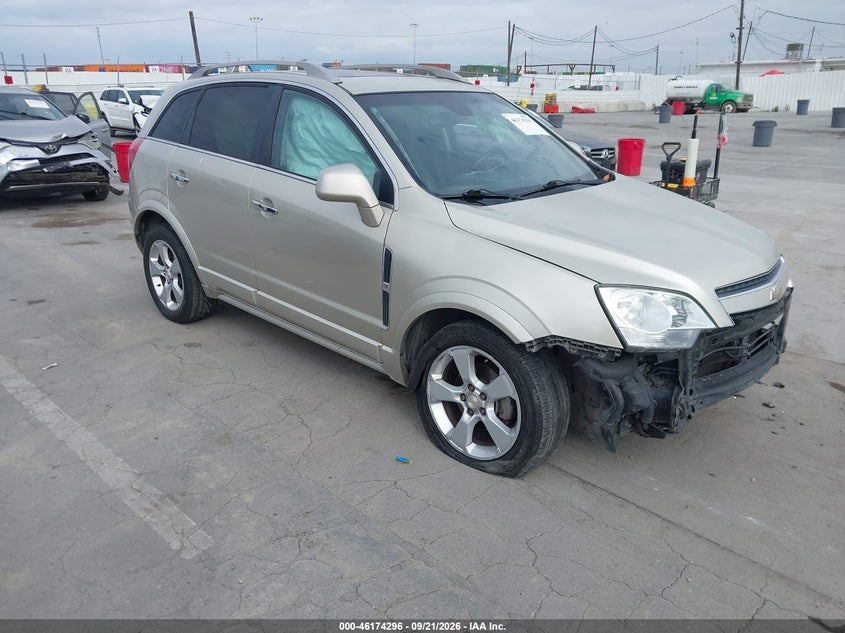
Damage map
If damage records exist for this VIN, the report shows the affected zonesTheft, liens and title
Checks that matter for registration and resaleRecorded condition
What the source noted about the car as it stands- Keys available
- Yes
History timeline
Data decoded from the VIN is shown. Records on file, if any, are in the full report.Mileage
Odometer reading as recorded at the sourceEarlier photos may be in the report
Check before you buy
Four things worth checking on any used carCHEVROLET CAPTIVA SPORT LTZ specifications
- VIN
- 3GNAL4EK6ES557855
- Make
- CHEVROLET
- Model
- CAPTIVA SPORT LTZ
- Year
- 2014
- Colour
- BROWN
- Fuel
- Gasoline
- Engine
- 2.4 L
- Cylinders
- 4
- Power
- 180 hp
- Transmission
- Automatic
- Drive
- FWD
- Recorded odometer
- 173 440 mi
- Recorded damage
- Front End
What buyers ask about the CHEVROLET CAPTIVA SPORT LTZ
Was this 2014 CHEVROLET CAPTIVA SPORT LTZ damaged before?
The damage in the specifications is what the source noted at the time. Earlier accidents and repairs on file for VIN 3GNAL4EK6ES557855, if any, are in the full report.
Can I trust the odometer reading of 173 440 mi?
It is the figure as recorded, not verified. Compare it with the earlier readings in the full report: they can only go up, so a drop points to a wound-back odometer.
In which countries was this car registered?
Registrations abroad seldom reach local registers. If this car was registered in other countries, the full report names them.
Who sells the report, and what does it cost?
An independent partner, selected automatically for each VIN by our system from analytical data. The partner shows the price before you pay; we may earn a commission.
VIN 3GNAL4EK6ES557855: history
This Chevrolet Captiva Sport LTZ was built in 2014. The fuel is petrol. There is an automatic gearbox, with front-wheel drive. The specification is taken from the source data.
At the time of recording, the car had covered 173,440 miles. A clock converted from miles to kilometres should be documented, since the swap can hide the true mileage. A single figure proves little: what makes a mileage believable is a series of readings that rise steadily over the years. A service book or a folder of workshop invoices is the simplest place to find past readings.
In the source data, the main issue is front-end damage. Whether the damage has been repaired since, and how well, is not something a damage entry can show. Whatever the cause, a diagnostic scan of the car’s electronics shows fault codes that a visual check misses.
A key was present.
The record shows a salvage title. Titles of this type are issued to cars declared a total loss. A branded title follows the car through every change of owner, so it remains part of its history.
Behind every used car lies a string of events: who owned it and for how long, what the inspections found and which repairs and claims were made. The paperwork is kept by different bodies – registries, workshops, insurance companies and lenders – so the history of one car is spread across many places. From the outside, a car with a repaired accident and a car without one can look identical.
An engine that has had its oil changed on time is far less likely to cause trouble later, and workshop invoices are the proof. Many modern petrol engines are turbocharged and direct-injected; where they are, the turbocharger and injectors belong on a specialist’s checklist. The automatic gearbox should respond smoothly and without delay; jerks, slipping or hesitation on a test drive need investigating.
A vehicle identification number has 17 characters: the first three name the manufacturer, the next six describe the model and its specification, and the last eight identify the individual car. For this car, the VIN is 3GNAL4EK6ES557855. A VIN that differs between the documents and the car, or shows signs of tampering, is reason enough to walk away.
What a history report can list depends on what has been documented about the car: registrations, mileage readings, damage, branded titles and theft reports. A professional inspection makes sense whatever the paperwork shows, because no report measures corrosion, worn bushes or a poor repair. A history check on VIN 3GNAL4EK6ES557855 is the place to start.
Similar CHEVROLET CAPTIVA SPORT LTZ cars
All CHEVROLET cars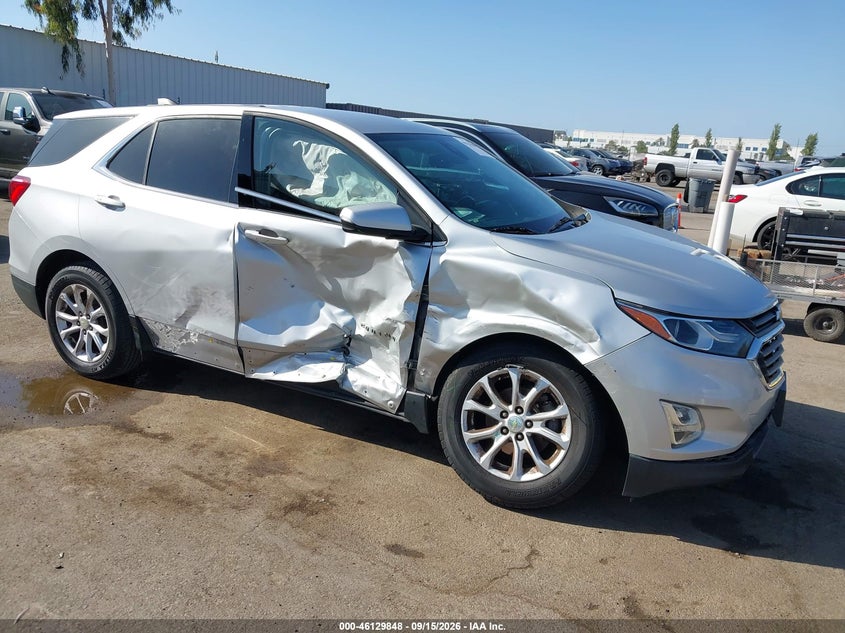 2019 CHEVROLET EQUINOX LT
2GNAXJ•••••••8757
1.5 gasoline · Automatic
Check history
2019 CHEVROLET EQUINOX LT
2GNAXJ•••••••8757
1.5 gasoline · Automatic
Check history
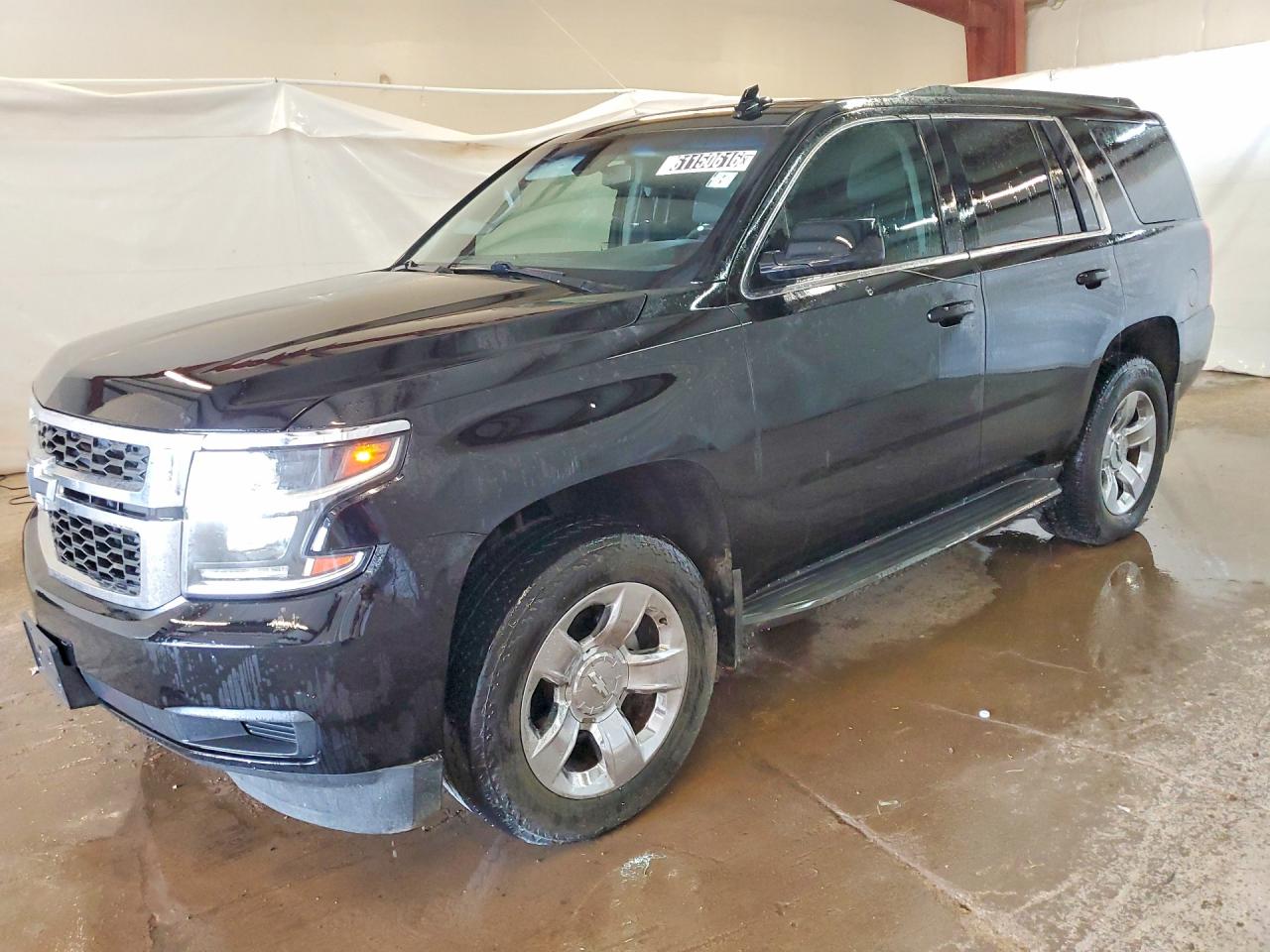 2017 CHEVROLET TAHOE C1500 LS
1GNSCA•••••••8532
5.3 gasoline · Automatic
Check history
2017 CHEVROLET TAHOE C1500 LS
1GNSCA•••••••8532
5.3 gasoline · Automatic
Check history
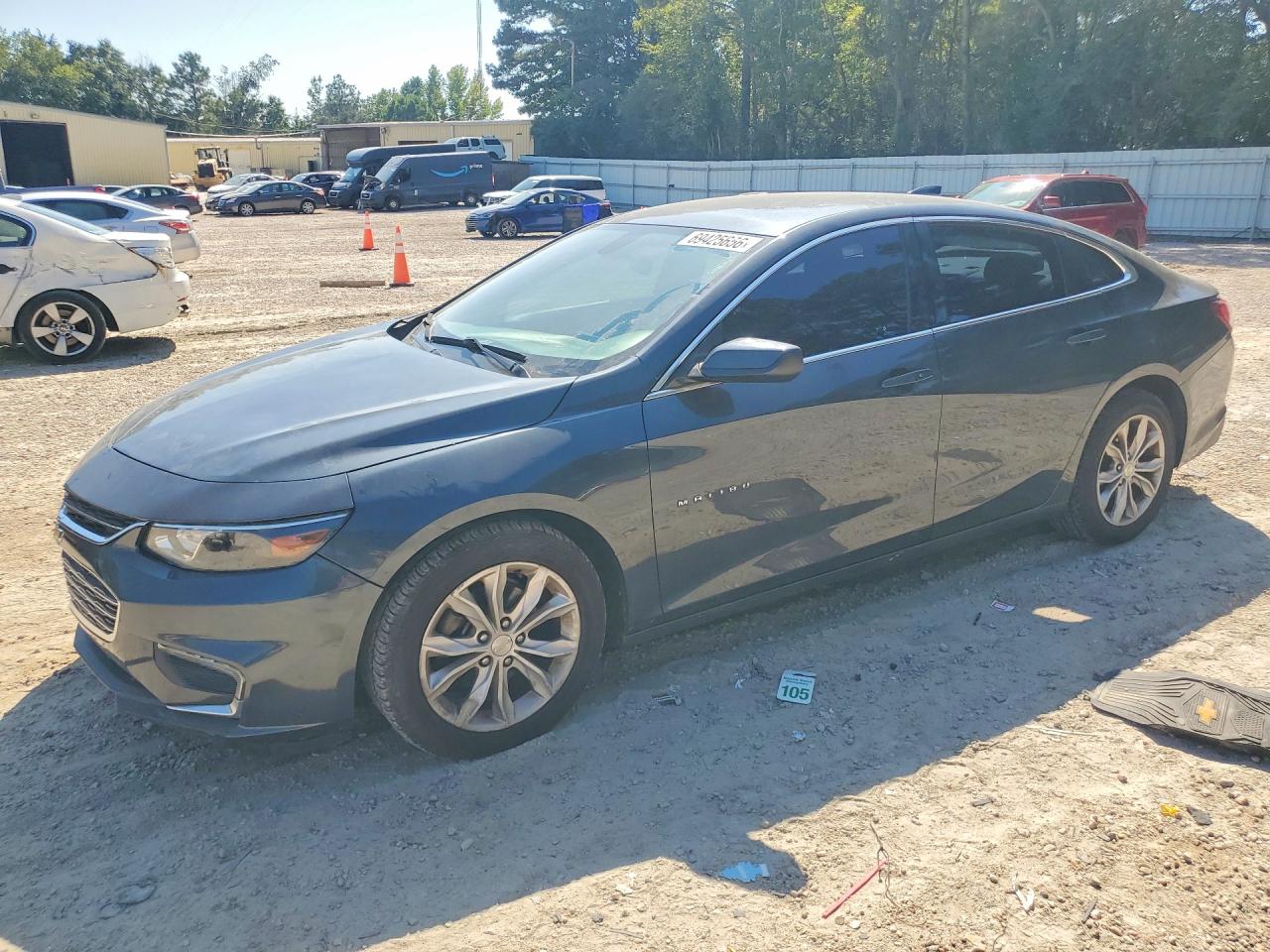 2020 CHEVROLET MALIBU LT
1G1ZD5•••••••0219
1.5 gasoline · Automatic
Check history
2020 CHEVROLET MALIBU LT
1G1ZD5•••••••0219
1.5 gasoline · Automatic
Check history
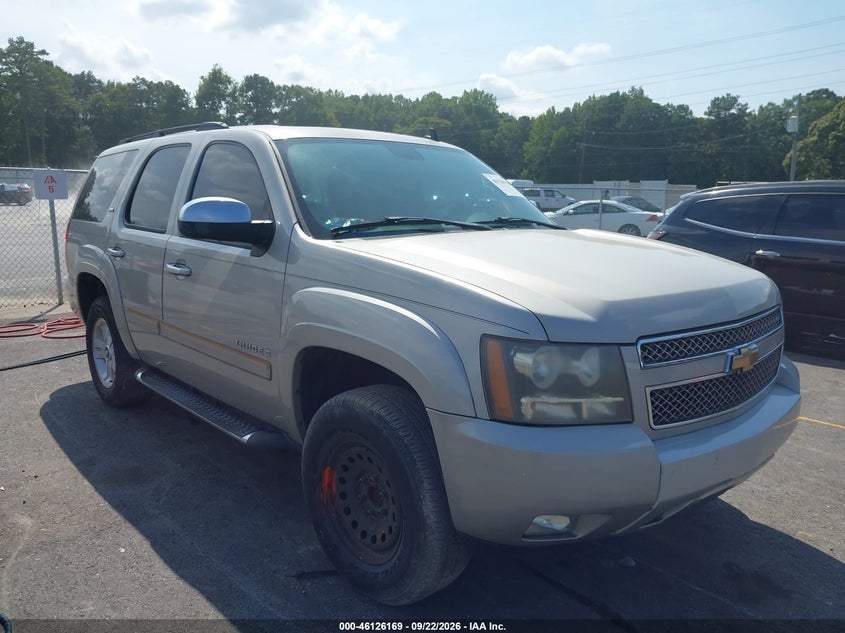 2007 CHEVROLET TAHOE LT
1GNFC1•••••••0131
5.3 gasoline · Automatic
Check history
2007 CHEVROLET TAHOE LT
1GNFC1•••••••0131
5.3 gasoline · Automatic
Check history