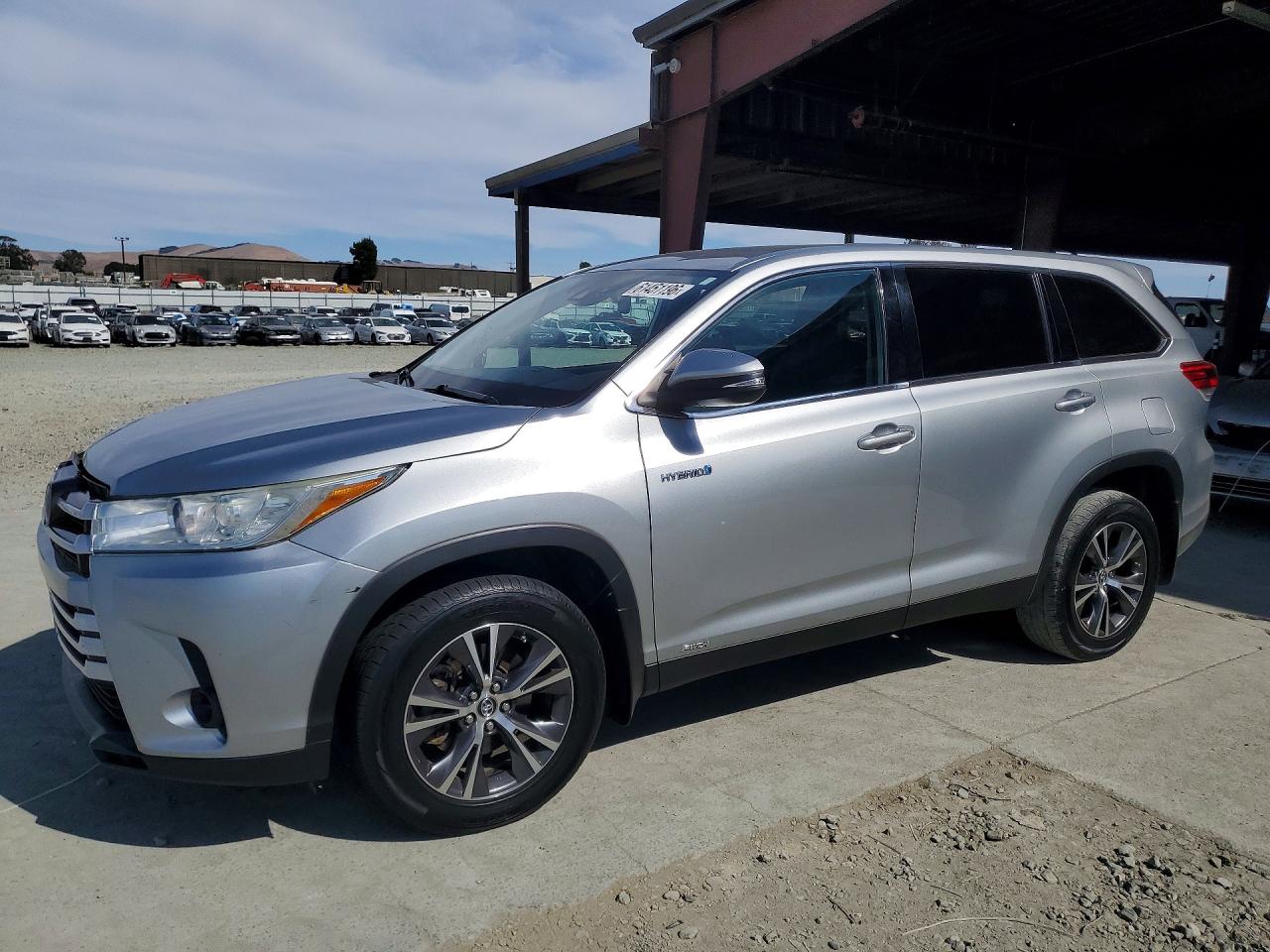
2019 TOYOTA HIGHLANDER HYBRID LE VIN 5TDBGRFH1KS075683
Damage map
If damage records exist for this VIN, the report shows the affected zonesTheft, liens and title
Checks that matter for registration and resaleRecorded condition
What the source noted about the car as it stands- Runs and drives
- No
- Engine starts
- Yes
- Keys available
- Yes
- Start code
- Starts
History timeline
Data decoded from the VIN is shown. Records on file, if any, are in the full report.Mileage
Odometer reading as recorded at the sourceEarlier photos may be in the report
Check before you buy
Four things worth checking on any used carTOYOTA HIGHLANDER HYBRID LE specifications
- VIN
- 5TDBGRFH1KS075683
- Make
- TOYOTA
- Model
- HIGHLANDER HYBRID LE
- Year
- 2019
- Colour
- SILVER
- Fuel
- Hybrid
- Engine
- 3.5 L
- Cylinders
- 6
- Power
- 256 hp
- Transmission
- CVT
- Drive
- 4x4
- Recorded odometer
- 265 280 mi
- Recorded damage
- Front End
What buyers ask about the TOYOTA HIGHLANDER HYBRID LE
Was this 2019 TOYOTA HIGHLANDER HYBRID LE damaged before?
The damage in the specifications is what the source noted at the time. Earlier accidents and repairs on file for VIN 5TDBGRFH1KS075683, if any, are in the full report.
Can I trust the odometer reading of 265 280 mi?
It is the figure as recorded, not verified. Compare it with the earlier readings in the full report: they can only go up, so a drop points to a wound-back odometer.
In which countries was this car registered?
Registrations abroad seldom reach local registers. If this car was registered in other countries, the full report names them.
Who sells the report, and what does it cost?
An independent partner, selected automatically for each VIN by our system from analytical data. The partner shows the price before you pay; we may earn a commission.
VIN 5TDBGRFH1KS075683: history
This Toyota Highlander Hybrid LE is a 2019 model, finished in silver. A 3.5-litre engine works together with an electric motor, for a combined output of 256 hp. Power reaches the wheels through a CVT gearbox. Every figure for this car is given as it appears in the source data.
The source data puts the mileage at 265,280 miles. The figure is in miles and needs converting before it is compared with kilometres: one mile is about 1.6 km. High mileage alone does not rule a car out; what matters is whether regular servicing kept pace with it. Turning back an odometer takes little skill and leaves no visible trace, which is why earlier figures matter more than the display. Older figures usually turn up on service invoices, inspection reports and past title paperwork.
The record lists front-end damage as the main problem on this car. Two cars with the same damage label can be very different: one needs a few new parts, the other major work. Damage rarely stays where it is first seen: an impact can reach the mountings and airbags behind a panel, and water or fire the wiring and electronics.
A car that does not run has to be moved on a trailer, and its real condition is known only after a thorough assessment. The engine started, but that says nothing yet about the gearbox or the drive to the wheels. A key was noted with the car. Months of standing can leave a car with seized brakes and perished tyres.
The car carries a salvage title. A title of this kind usually means the car was written off as a total loss after damage. The structure and the quality of any work done deserve a thorough inspection on a car with a branded title, however sound the car looks.
Every car builds up a history from the day it is first registered: owners come and go, inspections are passed or failed, and repairs are paid for. The paperwork is kept by different bodies – registries, workshops, insurance companies and lenders – so the history of one car is spread across many places. What a car has been through is seldom visible at first glance, and a respray can make even a badly damaged car look sound.
Regular oil changes and timely work on the timing belt or chain decide how well an engine copes with age. On a hybrid, the high-voltage battery and its cooling are as important as the engine, and a dealer or specialist can test the battery’s health. While the car does not run, stored fault codes and a look at the fluid are the only early evidence of how the CVT gearbox has fared. With four-wheel drive, mismatched tyres can strain the centre differential or coupling, so all four should be the same make and similarly worn.
The ninth character of the VIN is a check digit calculated from the other sixteen, so a mistyped or invented number does not add up. The record gives the VIN as 5TDBGRFH1KS075683.
A VIN report shows what has been logged: earlier registrations, odometer figures, damage entries, branded titles and theft checks, wherever such data exists. No report is complete: a repair done privately and never claimed on insurance leaves nothing to find. The past is on file; the car’s condition today is a job for a mechanic, who can check the structure, underbody, electrics and any repairs on a lift. Before making a decision about this Toyota Highlander Hybrid LE, check the history behind VIN 5TDBGRFH1KS075683.
Similar TOYOTA HIGHLANDER HYBRID LE cars
All TOYOTA cars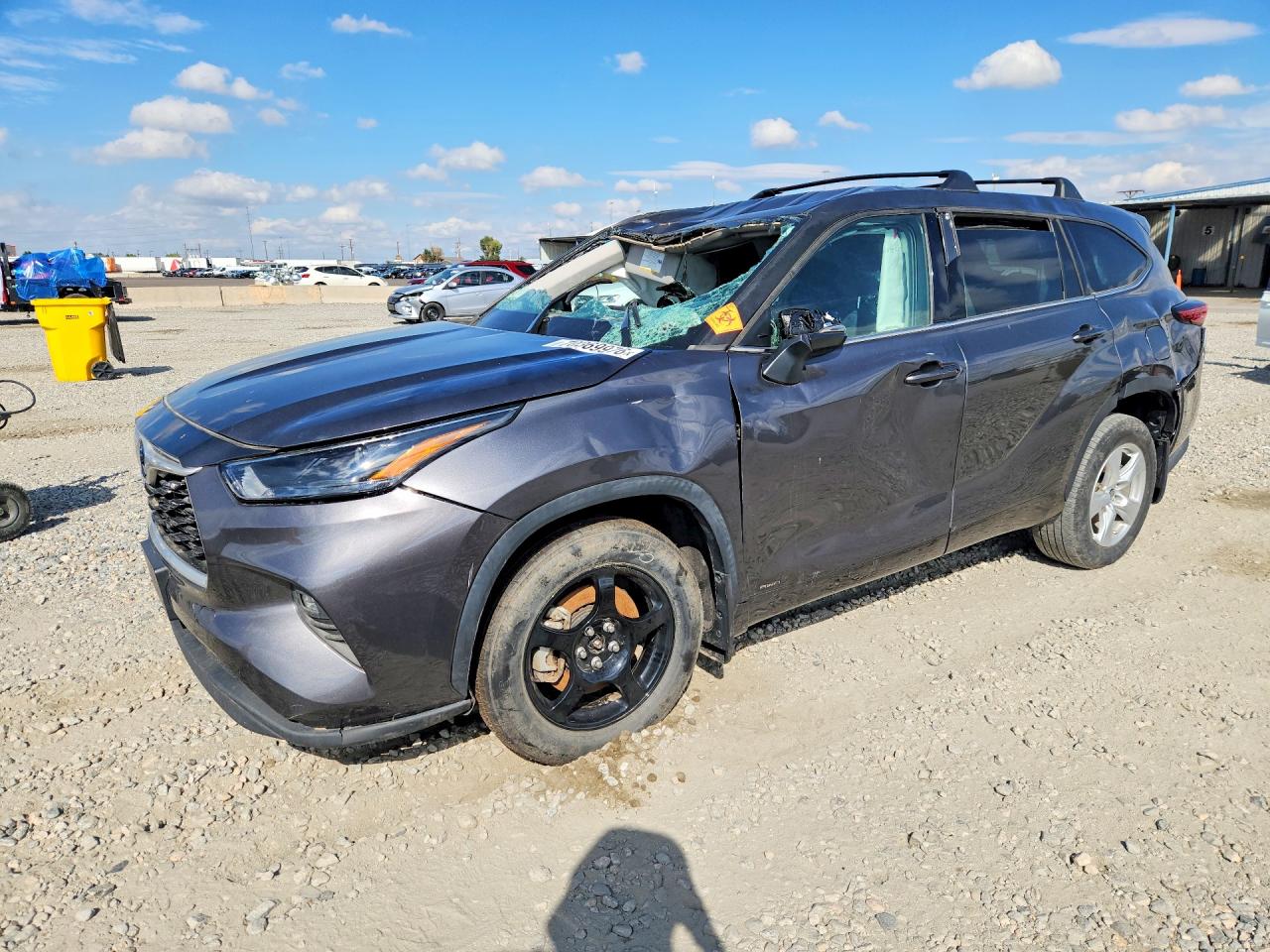 2022 TOYOTA HIGHLANDER HYBRID LE
5TDBBR•••••••0587
2.5 hybrid · CVT
Check history
2022 TOYOTA HIGHLANDER HYBRID LE
5TDBBR•••••••0587
2.5 hybrid · CVT
Check history
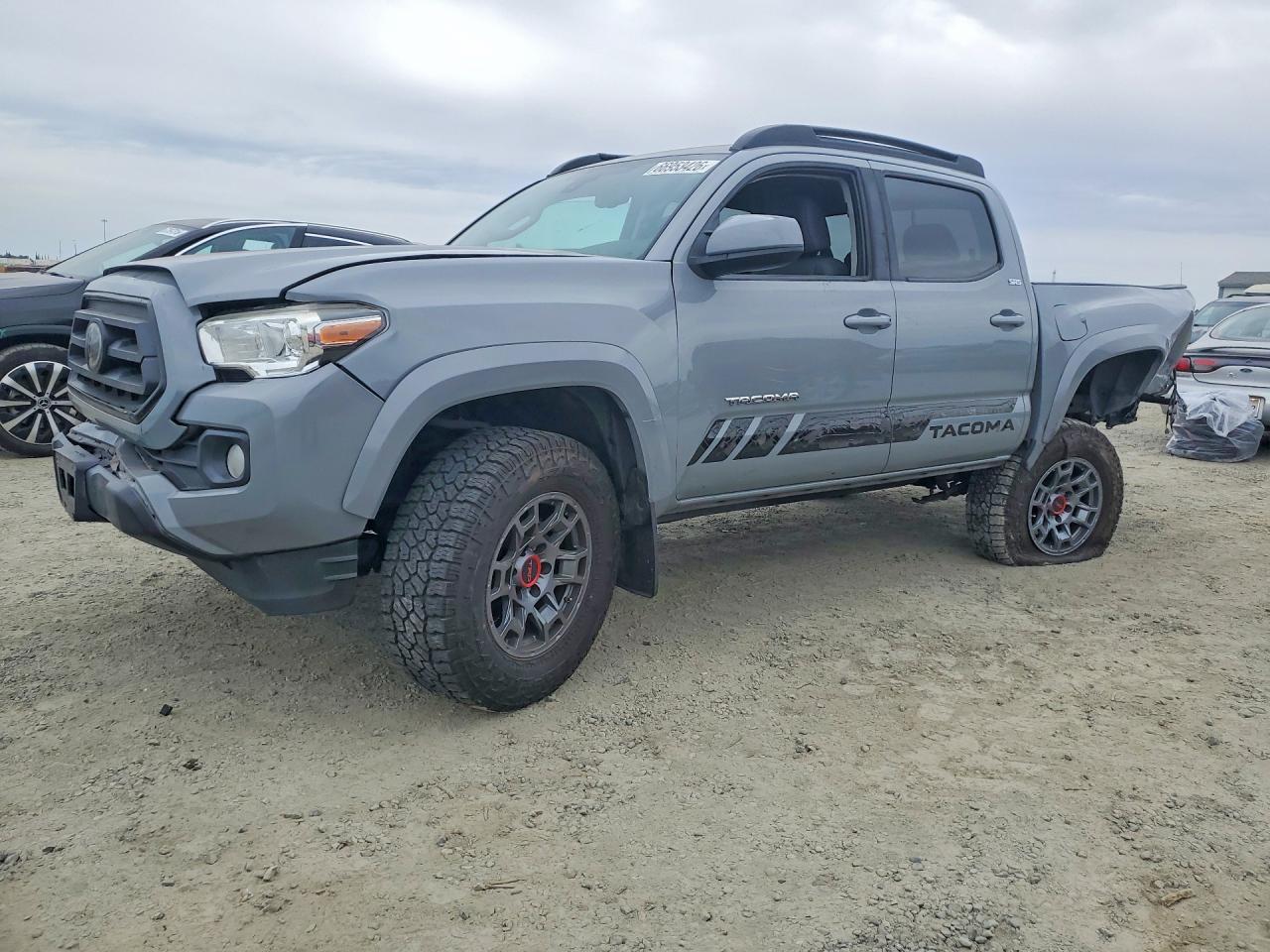 2021 TOYOTA TACOMA SR5 V6
3TMAZ5•••••••3132
3.5 gasoline · Automatic
Check history
2021 TOYOTA TACOMA SR5 V6
3TMAZ5•••••••3132
3.5 gasoline · Automatic
Check history
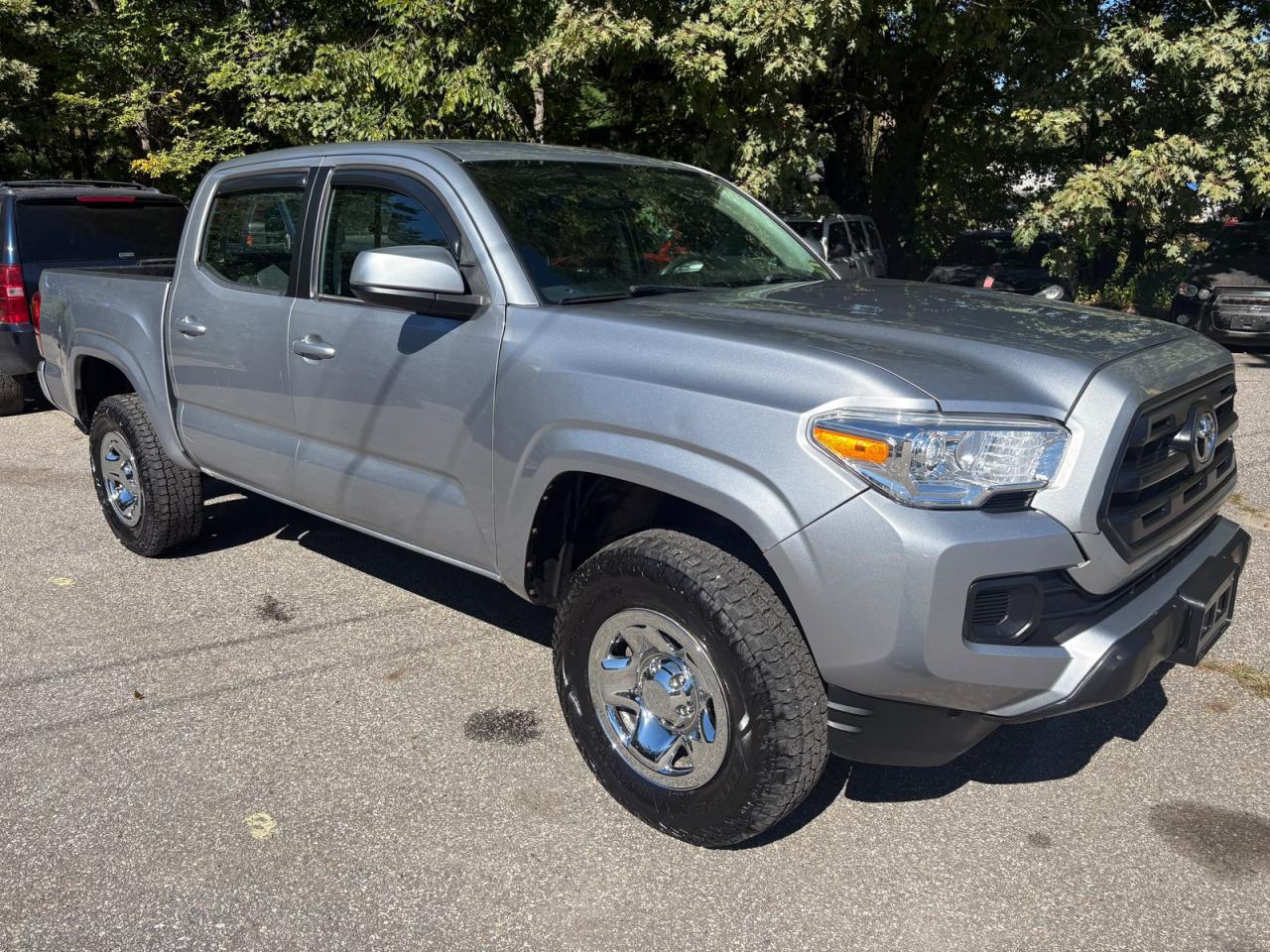 2016 TOYOTA TACOMA
3TMC25•••••••8219
Automatic
Check history
2016 TOYOTA TACOMA
3TMC25•••••••8219
Automatic
Check history
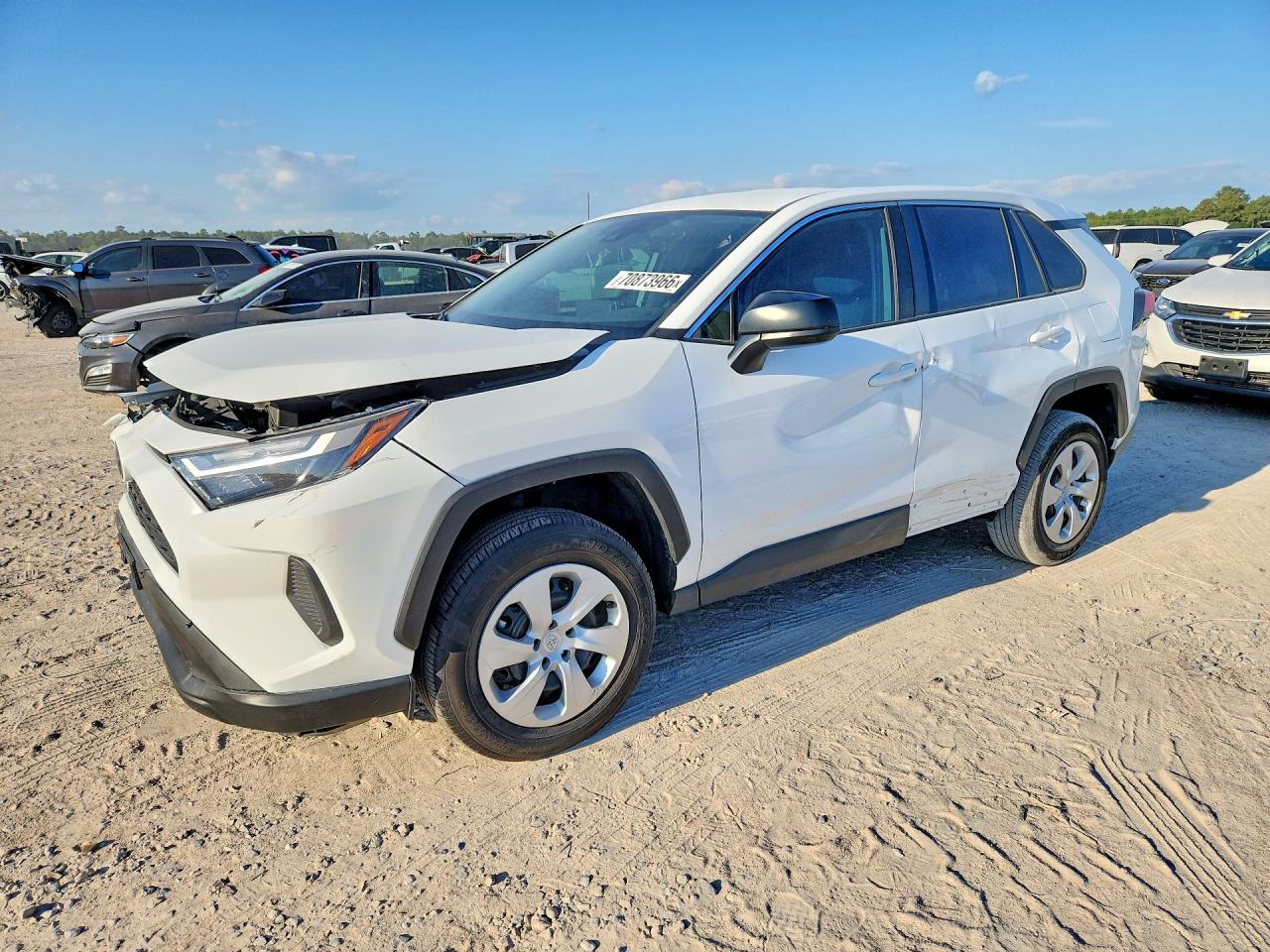 2025 TOYOTA RAV4 LE
2T3H1R•••••••9124
2.5 gasoline · Automatic
Check history
2025 TOYOTA RAV4 LE
2T3H1R•••••••9124
2.5 gasoline · Automatic
Check history