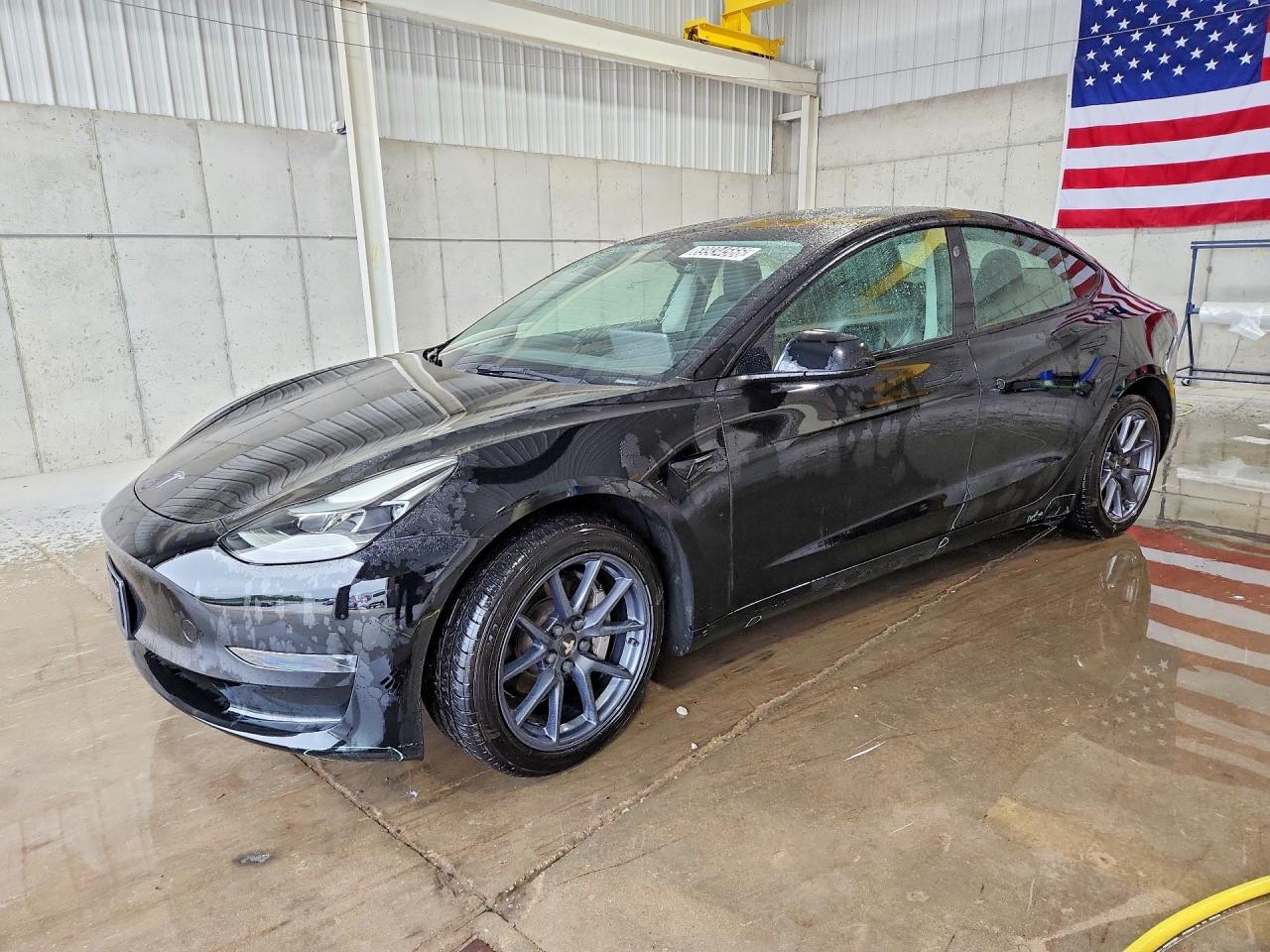
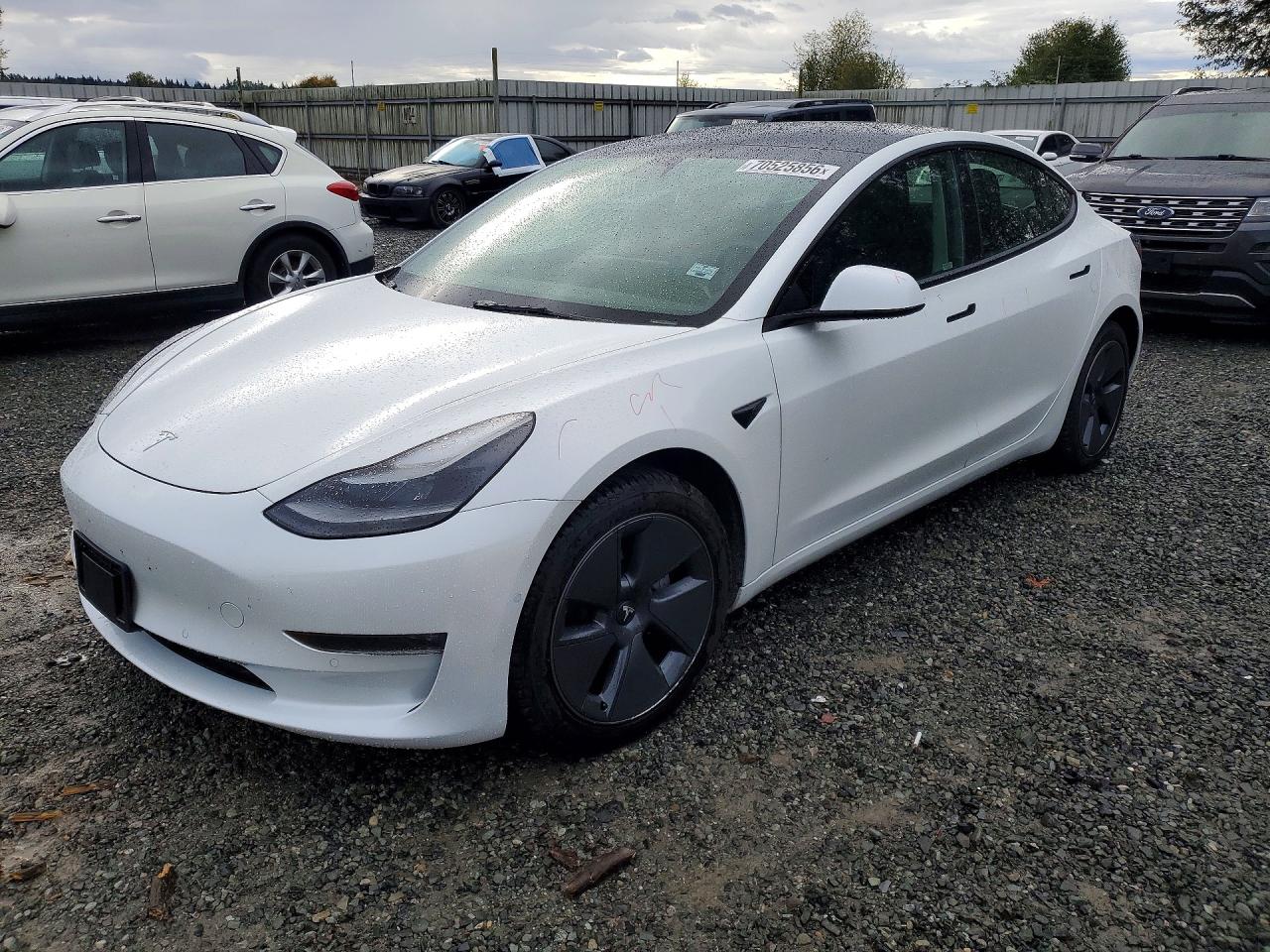
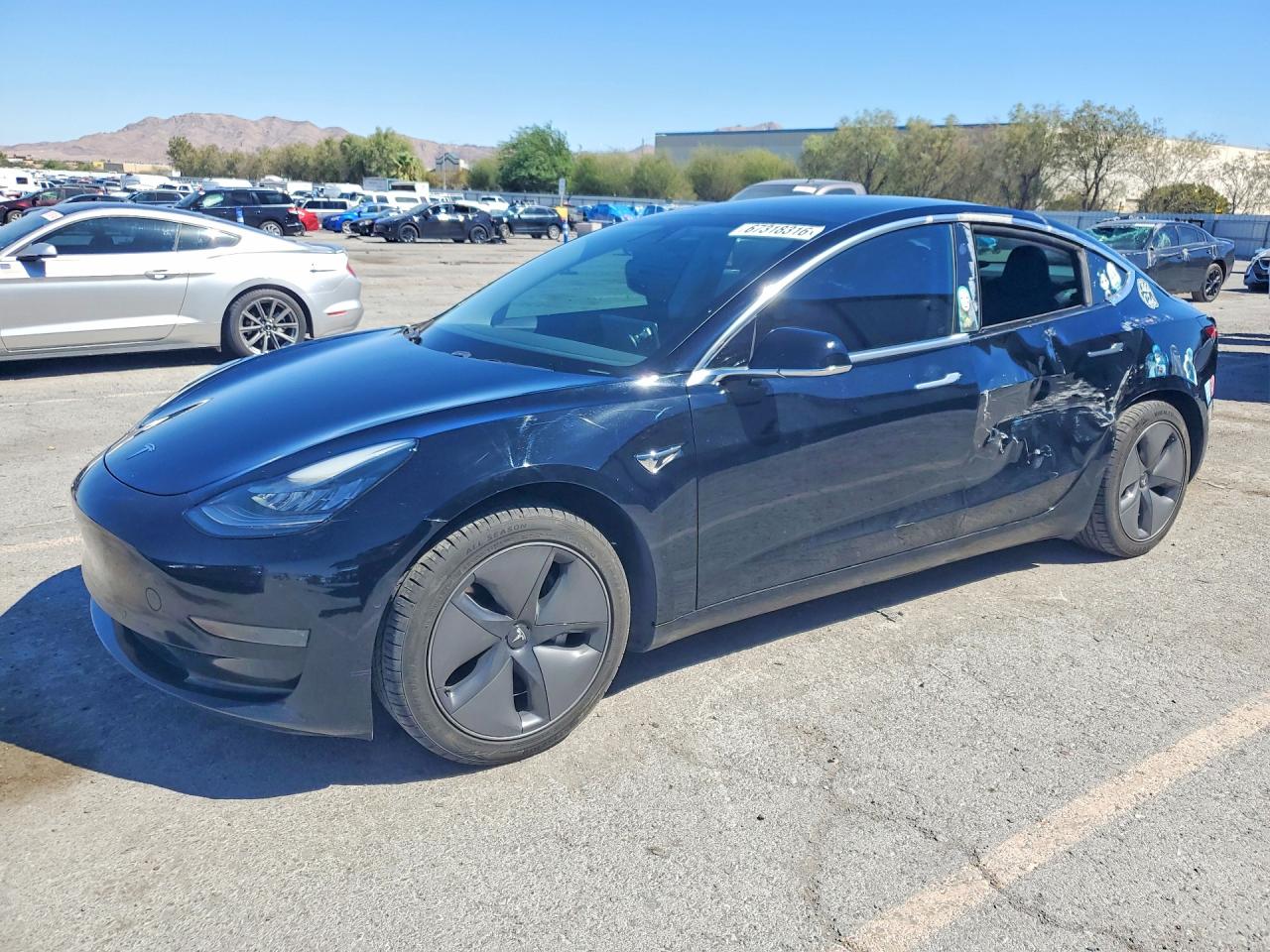
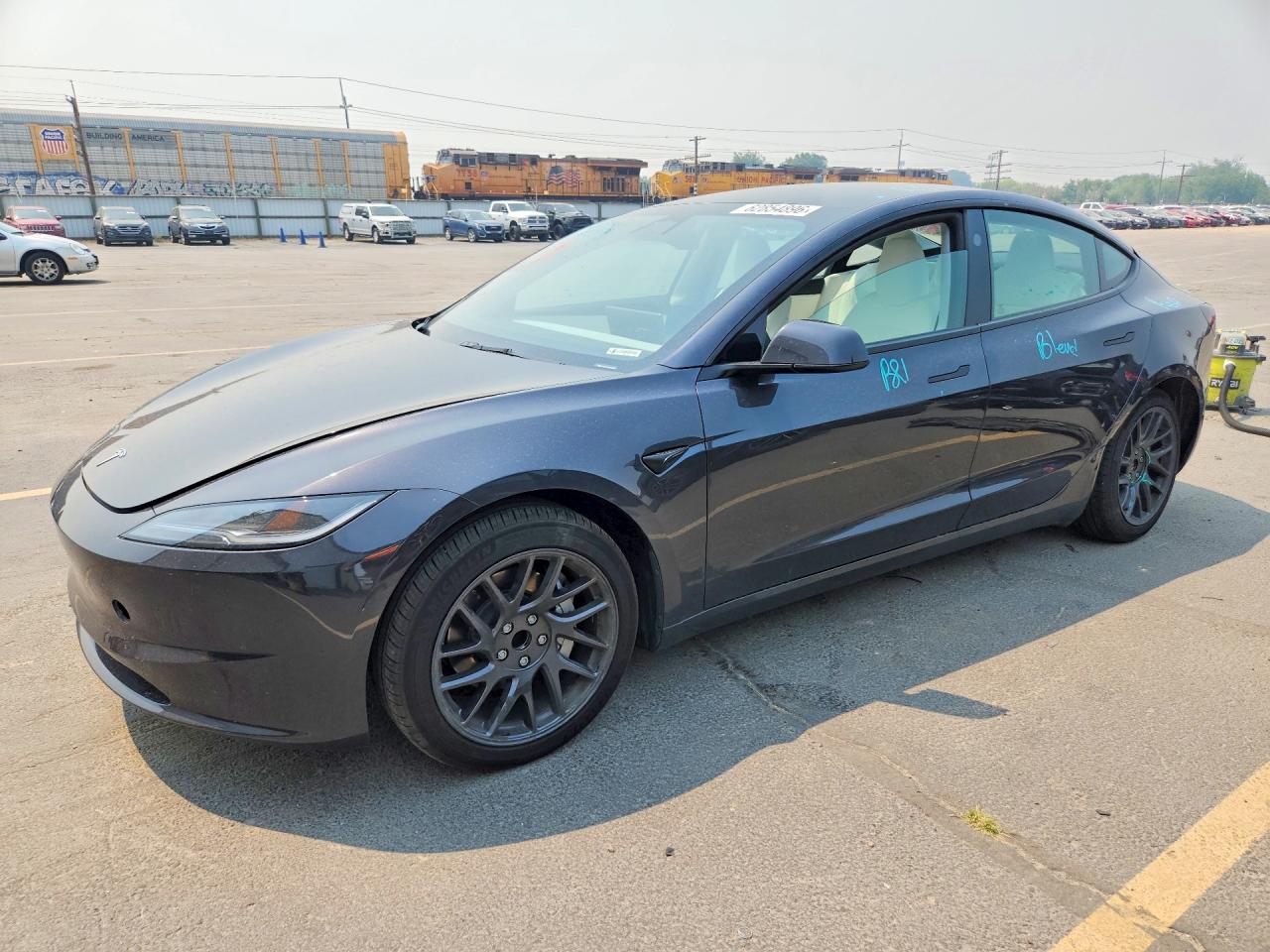
2018 TESLA MODEL 3 VIN 5YJ3E1EA0JF172117
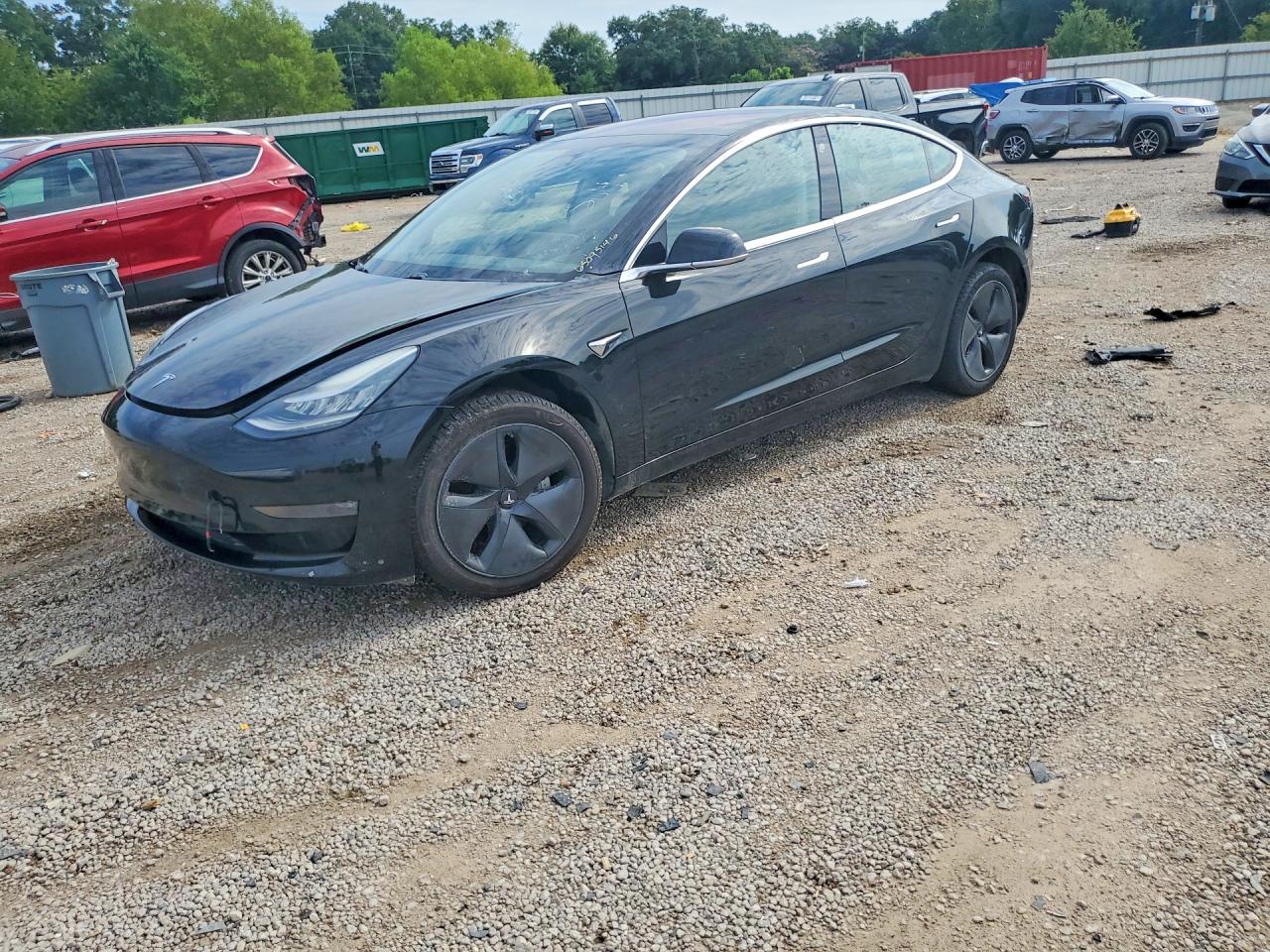
Damage map
If damage records exist for this VIN, the report shows the affected zonesTheft, liens and title
Checks that matter for registration and resaleRecorded condition
What the source noted about the car as it stands- Keys available
- No
- Start code
- Enhanced
History timeline
Data decoded from the VIN is shown. Records on file, if any, are in the full report.Mileage
Odometer reading as recorded at the sourceEarlier photos may be in the report
Check before you buy
Four things worth checking on any used carTESLA MODEL 3 specifications
- VIN
- 5YJ3E1EA0JF172117
- Make
- TESLA
- Model
- MODEL 3
- Year
- 2018
- Colour
- BLACK
- Fuel
- Electric
- Transmission
- Automatic
- Drive
- RWD
- Recorded damage
- Minor Dent/Scratches
What buyers ask about the TESLA MODEL 3
Was this 2018 TESLA MODEL 3 damaged before?
The damage in the specifications is what the source noted at the time. Earlier accidents and repairs on file for VIN 5YJ3E1EA0JF172117, if any, are in the full report.
In which countries was this car registered?
Registrations abroad seldom reach local registers. If this car was registered in other countries, the full report names them.
Who sells the report, and what does it cost?
An independent partner, selected automatically for each VIN by our system from analytical data. The partner shows the price before you pay; we may earn a commission.
VIN 5YJ3E1EA0JF172117: history
This record covers a 2018 Tesla Model 3. This example is fitted with rear-wheel drive. Power comes from electricity alone. Every figure for this car is given as it appears in the source data.
Turning back an odometer takes little skill and leaves no visible trace, which is why earlier figures matter more than the display. Title paperwork often notes the mileage at each change of owner, which makes it a useful cross-check.
The main issue noted for this car is minor dents and scratches. A damage type says what kind of damage the car had, not how serious it was or whether it has been repaired since. Given the kind of damage entered, a mechanic should look first at the paintwork and whether any dent has reached the metal underneath.
No key is recorded with the car, and a replacement has to be coded to the immobiliser. A condition note describes the car at one moment; months of standing or later work on the car can change the picture in either direction.
Title status in the record: clean. There is no salvage or similar mark, so the car was never recorded as a total loss.
A car’s history is the sum of what has happened to it since it was new, and most of it has left a trace on paper somewhere. What a car has been through is seldom visible at first glance, and a respray can make even a badly damaged car look sound.
The battery is the most expensive part of an electric car, so the share of its original capacity still available should be measured. The charging port and the cables supplied with the car should be checked along with the battery.
A vehicle identification number has 17 characters: the first three name the manufacturer, the next six describe the model and its specification, and the last eight identify the individual car. The VIN of this Tesla Model 3 is 5YJ3E1EA0JF172117. A VIN that differs between the documents and the car, or shows signs of tampering, is reason enough to walk away.
Where entries exist, a VIN check can show changes of owner, past mileage readings, reported damage and whether the car is listed as stolen. The absence of an entry is not proof that nothing happened; it may only mean that nobody wrote it down. A professional inspection makes sense whatever the paperwork shows, because no report measures corrosion, worn bushes or a poor repair. With this 2018 Tesla Model 3, the first step is a look at the history behind VIN 5YJ3E1EA0JF172117.