2019 TESLA MODEL 3 VIN 5YJ3E1EB2KF408468
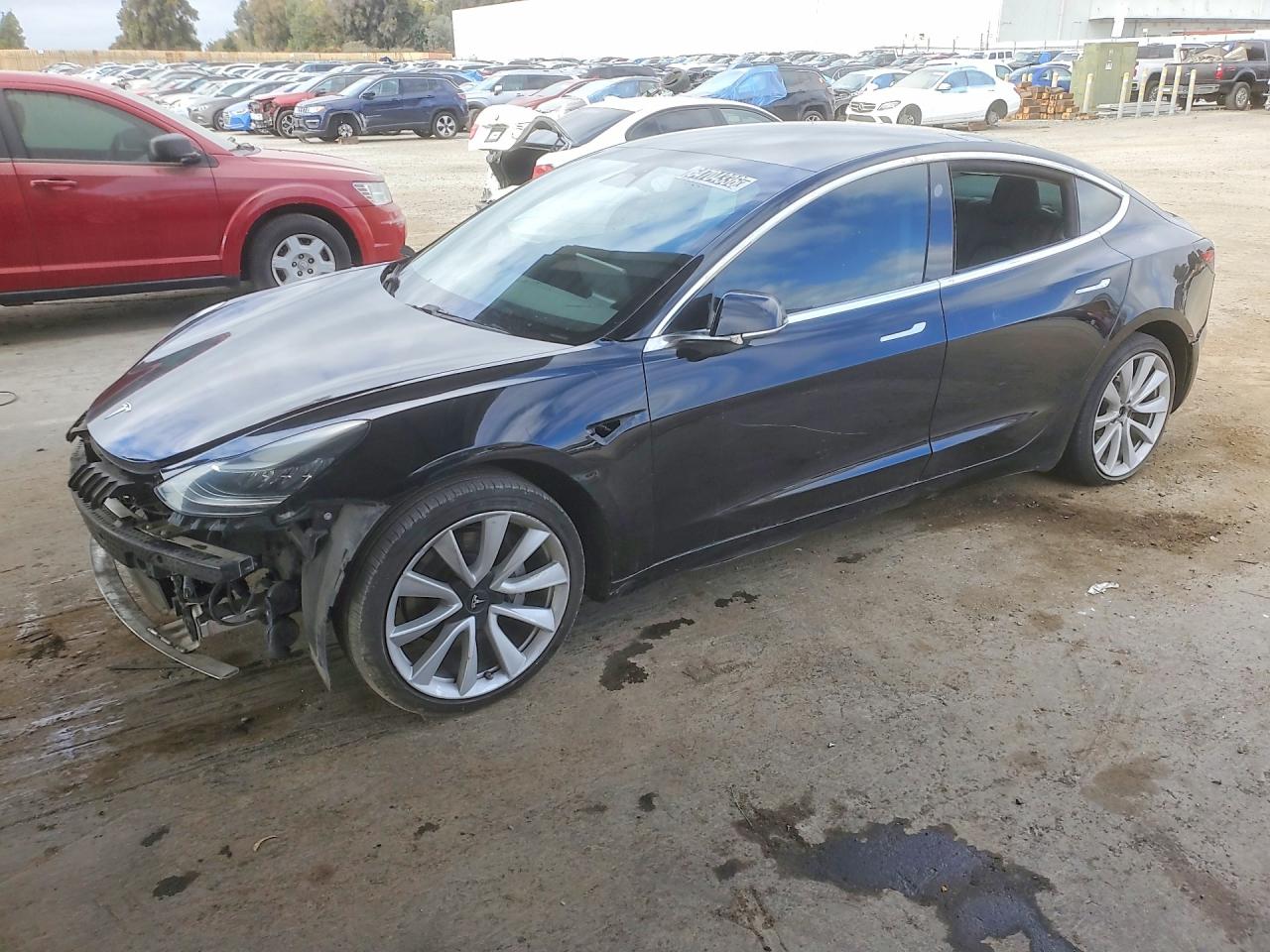
Damage map
If damage records exist for this VIN, the report shows the affected zonesTheft, liens and title
Checks that matter for registration and resaleRecorded condition
What the source noted about the car as it stands- Keys available
- No
- Start code
- Enhanced
History timeline
Data decoded from the VIN is shown. Records on file, if any, are in the full report.Mileage
Odometer reading as recorded at the sourceEarlier photos may be in the report
Check before you buy
Four things worth checking on any used carTESLA MODEL 3 specifications
- VIN
- 5YJ3E1EB2KF408468
- Make
- TESLA
- Model
- MODEL 3
- Year
- 2019
- Colour
- BLACK
- Fuel
- Electric
- Transmission
- Automatic
- Drive
- AWD
- Recorded damage
- Front End
What buyers ask about the TESLA MODEL 3
Was this 2019 TESLA MODEL 3 damaged before?
The damage in the specifications is what the source noted at the time. Earlier accidents and repairs on file for VIN 5YJ3E1EB2KF408468, if any, are in the full report.
In which countries was this car registered?
Registrations abroad seldom reach local registers. If this car was registered in other countries, the full report names them.
Who sells the report, and what does it cost?
An independent partner, selected automatically for each VIN by our system from analytical data. The partner shows the price before you pay; we may earn a commission.
VIN 5YJ3E1EB2KF408468: history
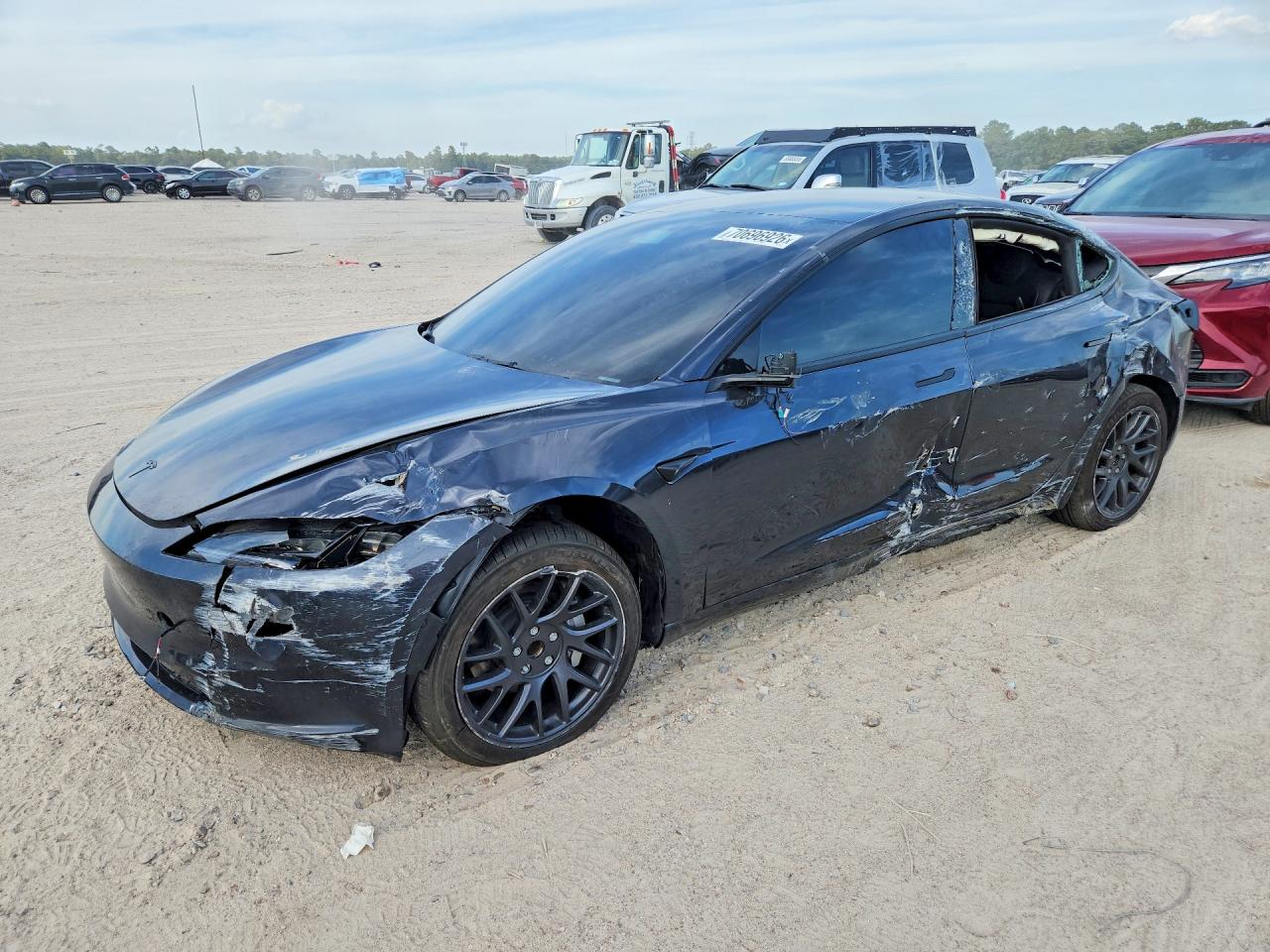
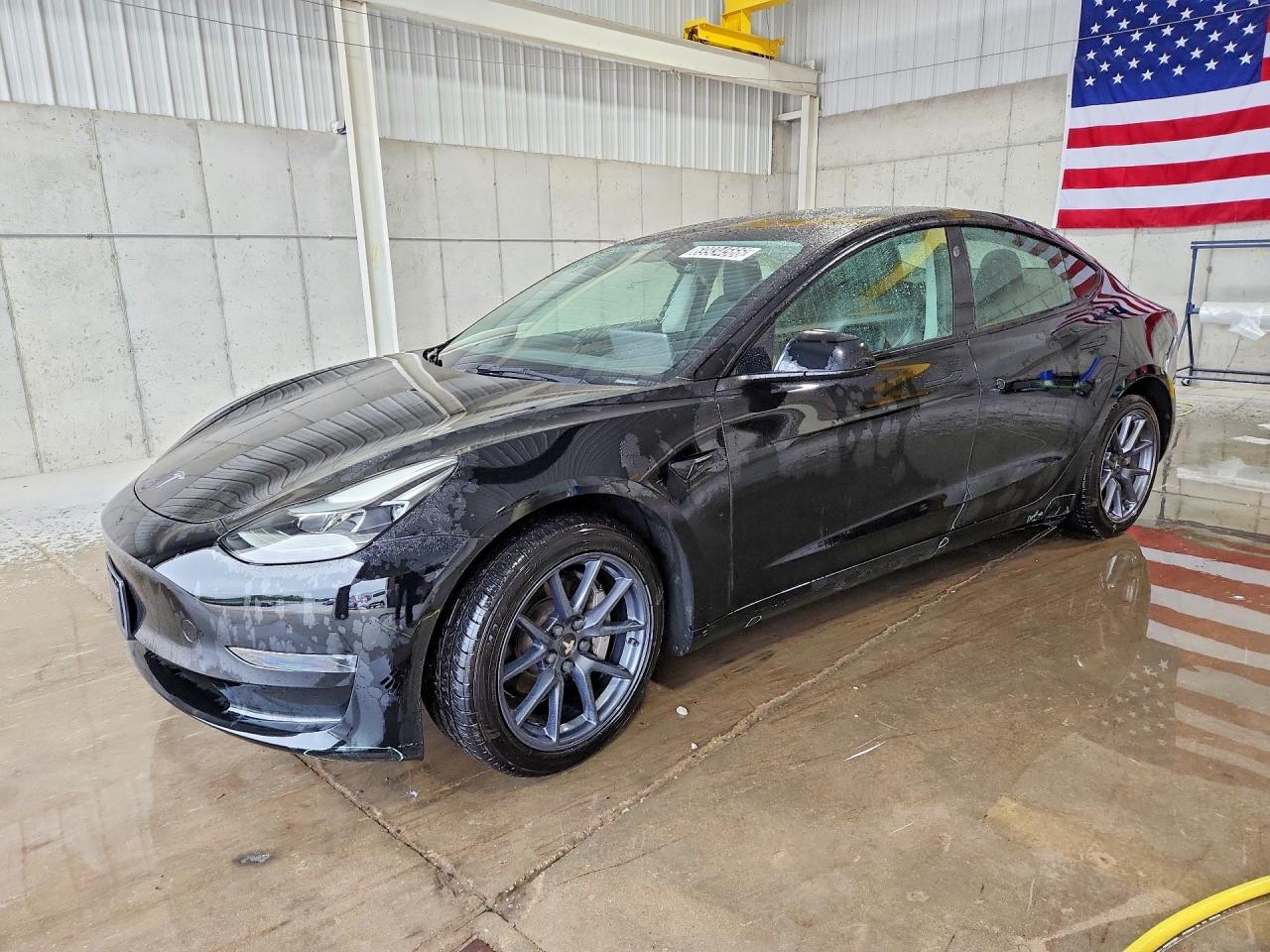
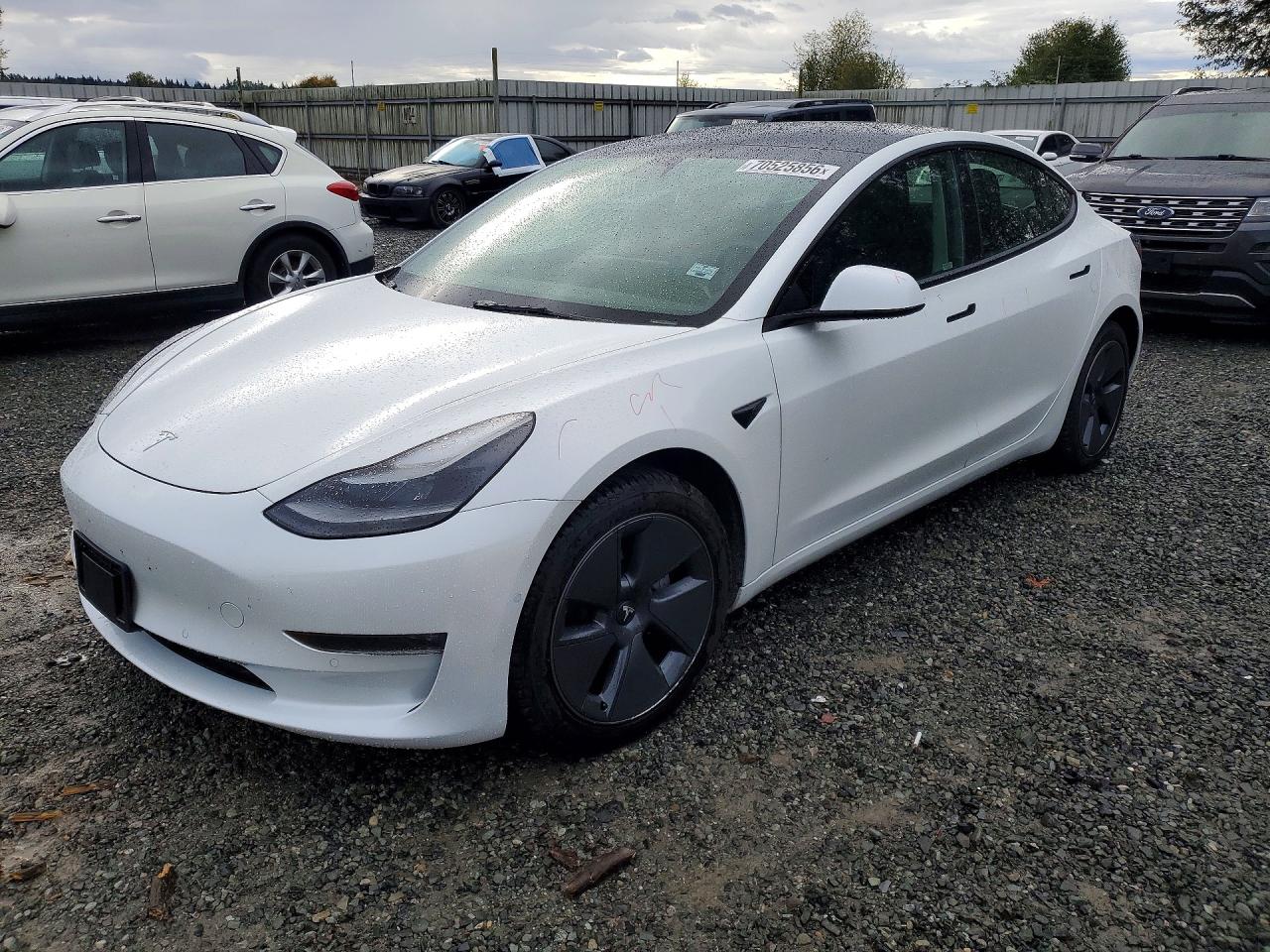
This Tesla Model 3 is a 2019 model, finished in black. In place of a gearbox there is a single-speed reduction gear, and the car has all-wheel drive. Power comes from electricity alone. The specification is taken from the source data and has not been checked against other documents.
Gaps of several years between logged figures deserve attention, as does any reading lower than the one before it. Older figures usually turn up on service invoices, inspection reports and past title paperwork.
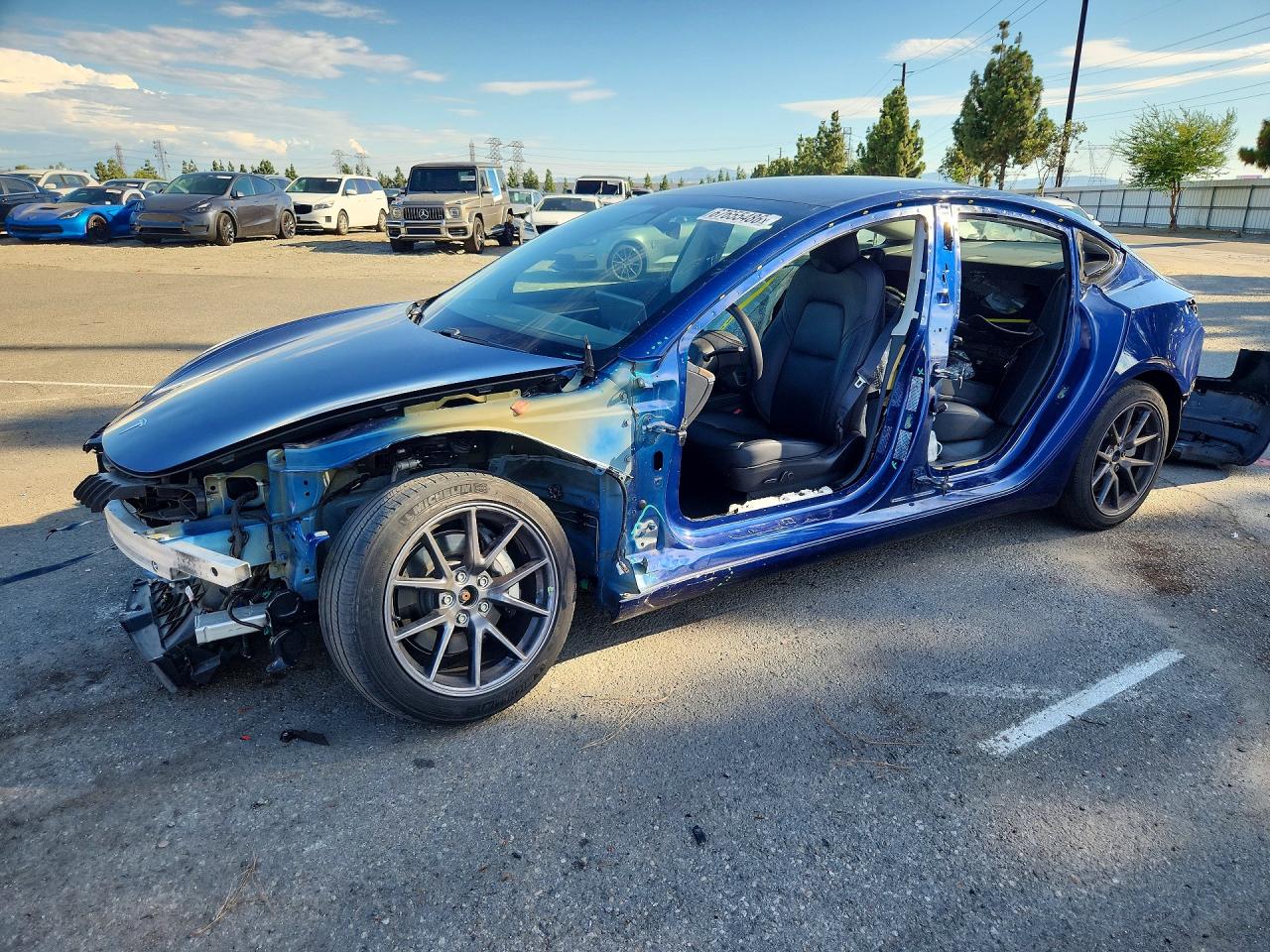
Primary damage in the record: front end. A damage entry is a starting point for the inspection, telling the mechanic where to look first. Some damage shows its consequences only later: corroded connectors and electrical faults can surface months afterwards.
No key was available with the car. Condition notes are a snapshot: the car may have been worked on, stripped of parts or left standing since.
The record shows a clean title. There is no salvage or similar mark, so the car was never recorded as a total loss.
Every car builds up a history from the day it is first registered: owners come and go, inspections are passed or failed, and repairs are paid for. A car’s paperwork is scattered: the registry knows about owners, the workshop about repairs and the insurance company about claims. Much of a car’s past cannot be seen: a good body repair leaves no obvious mark, and neither do years of hard driving.
For an electric car, a battery health report says more than the odometer: two cars with the same mileage can have very different range left. Software updates and any battery or motor work carried out under warranty should appear in the car’s service history. An electric car with all-wheel drive usually has a drive unit on each axle, and both deserve a check for noise and stored fault codes.
Stamped into the body and printed on a plate, the VIN is the one identifier that stays with a car through every owner, registration and repair. The record gives the VIN as 5YJ3E1EB2KF408468.
Where entries exist, a VIN check can show changes of owner, past mileage readings, reported damage and whether the car is listed as stolen. The past is on file; the car’s condition today is a job for a mechanic, who can check the structure, underbody, electrics and any repairs on a lift. Before going any further with this Tesla Model 3, it makes sense to look up VIN 5YJ3E1EB2KF408468.