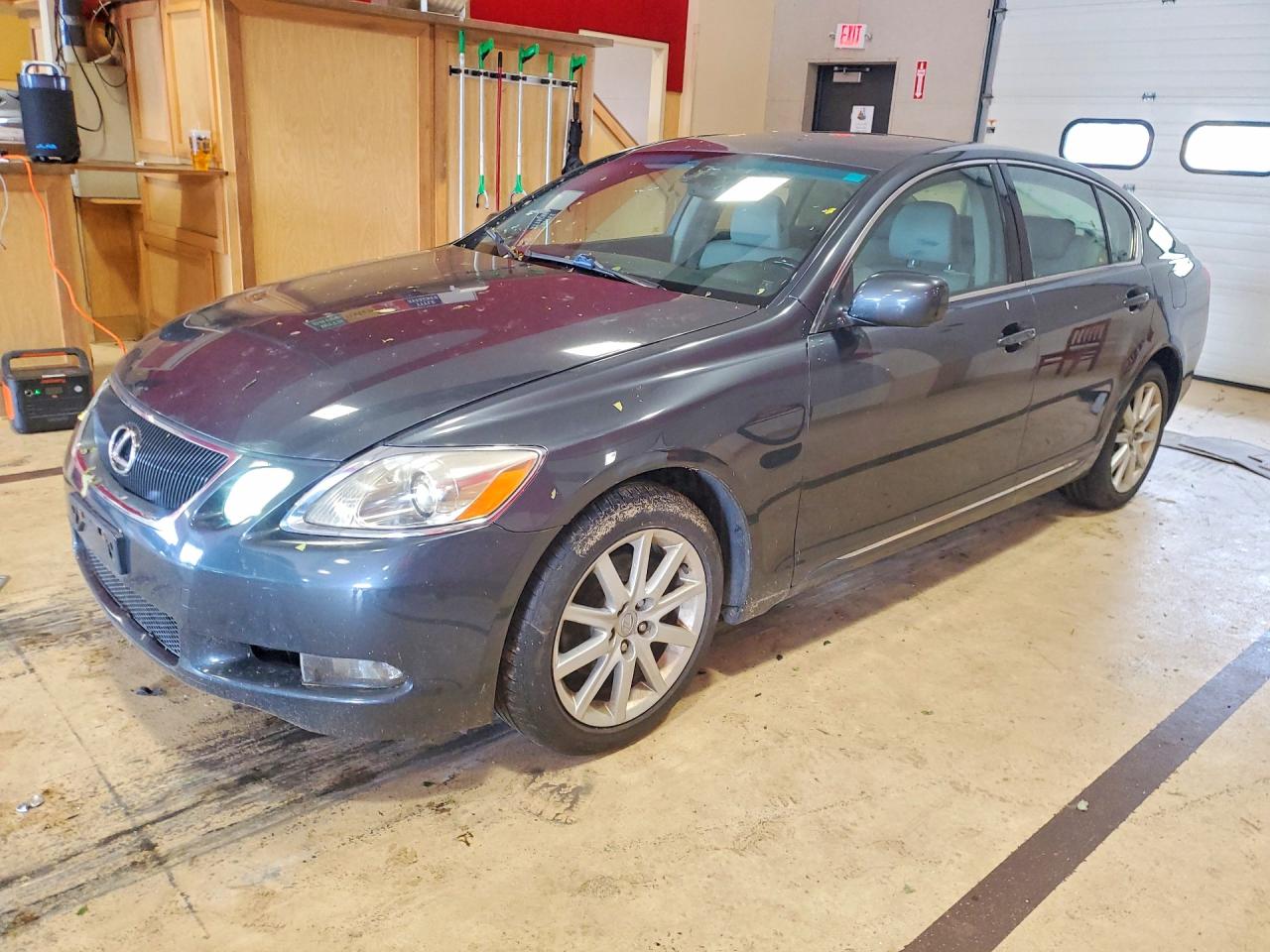
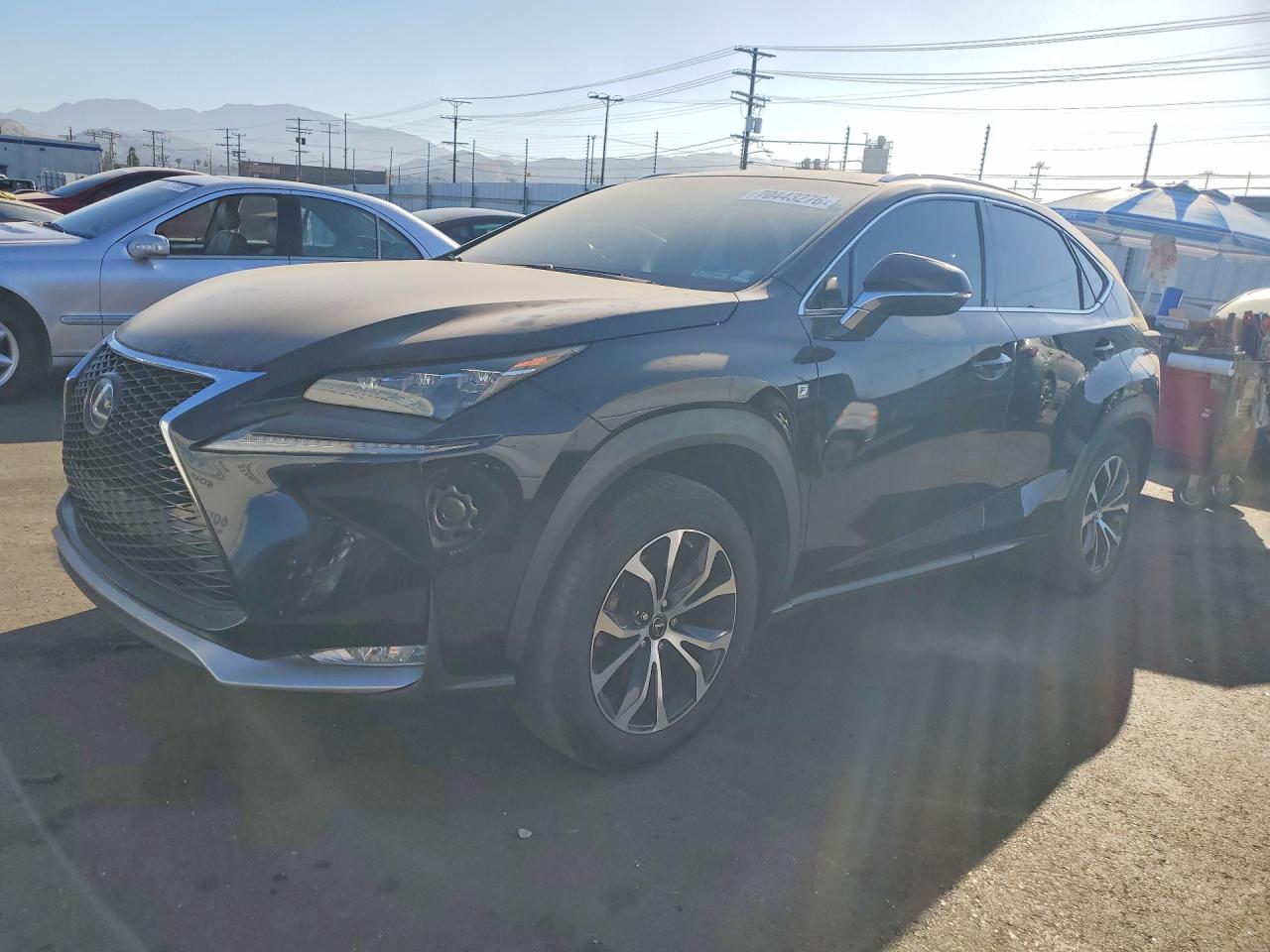
2015 LEXUS NX 200T VIN JTJBARBZ2F2018922
Damage map
If damage records exist for this VIN, the report shows the affected zonesTheft, liens and title
Checks that matter for registration and resaleRecorded condition
What the source noted about the car as it stands- Runs and drives
- No
- Engine starts
- Yes
- Keys available
- Yes
- Start code
- Starts
History timeline
Data decoded from the VIN is shown. Records on file, if any, are in the full report.Mileage
Odometer reading as recorded at the sourceEarlier photos may be in the report
Check before you buy
Four things worth checking on any used carLEXUS NX 200T specifications
- VIN
- JTJBARBZ2F2018922
- Make
- LEXUS
- Model
- NX 200T
- Year
- 2015
- Colour
- BLACK
- Fuel
- Gasoline
- Engine
- 2.0 L
- Cylinders
- 4
- Transmission
- Automatic
- Drive
- 4x4
- Recorded odometer
- 128 389 mi
- Recorded damage
- Rear End
What buyers ask about the LEXUS NX 200T
Was this 2015 LEXUS NX 200T damaged before?
The damage in the specifications is what the source noted at the time. Earlier accidents and repairs on file for VIN JTJBARBZ2F2018922, if any, are in the full report.
Can I trust the odometer reading of 128 389 mi?
It is the figure as recorded, not verified. Compare it with the earlier readings in the full report: they can only go up, so a drop points to a wound-back odometer.
In which countries was this car registered?
Registrations abroad seldom reach local registers. If this car was registered in other countries, the full report names them.
Who sells the report, and what does it cost?
An independent partner, selected automatically for each VIN by our system from analytical data. The partner shows the price before you pay; we may earn a commission.
VIN JTJBARBZ2F2018922: history
The Lexus NX 200T described here left the factory in 2015. The petrol engine has four cylinders. The drivetrain combines an automatic gearbox with four-wheel drive.
The car was recorded with 128,389 miles on the clock. The figure is in miles and needs converting before it is compared with kilometres: one mile is about 1.6 km. A single figure proves little: what makes a mileage believable is a series of readings that rise steadily over the years. A service book or a folder of workshop invoices is the simplest place to find past readings.
Primary damage in the record: rear end. The damage type is a short label: the extent of the damage and the quality of any repair still have to be judged on the car. With rear-end damage on file, the inspection should start with the boot floor, the rear panel and the chassis rails.
A note in the source data says the car did not run. The engine started. A key was present. Months of standing can leave a car with seized brakes and perished tyres.
The car carries a salvage title. A title of this kind usually means the car was written off as a total loss after damage. The structure and the quality of any work done deserve a thorough inspection on a car with a branded title.
A car’s history is everything logged against it since it left the factory: registrations and owners, inspections, repairs and insurance claims. No single office holds the whole story of a car: registries, workshops, insurance companies and lenders each keep their own part. A clean, polished car can still hide a serious accident, a flood or years of hard use.
When a car does not run, a compression test and the condition of the oil tell a mechanic whether the engine can be brought back to life. Many modern petrol engines are turbocharged and direct-injected; where they are, the turbocharger and injectors belong on a specialist’s checklist. With no test drive possible, the automatic gearbox has to be assessed on a lift and with diagnostic equipment. With four-wheel drive, mismatched tyres can strain the centre differential or coupling, so all four should be the same make and similarly worn.
The VIN is a 17-character code assigned at the factory: it identifies the manufacturer, the model and its variant, and ends with a serial number unique to the car. The record gives the VIN as JTJBARBZ2F2018922. The number in the car’s documents should match the one stamped into the body and the one on the plate at the base of the windscreen.
A VIN report gathers what different sources know about a car, such as the number of owners, mileage readings, damage and any branded title. Paperwork is only as complete as the people who kept it, so a report with few entries lowers the risk without removing it. A history report says nothing about the car’s present condition: the frame, corrosion, electrics and the quality of any repair are judged on a lift by a mechanic. Before going any further with this Lexus NX 200T, it makes sense to look up VIN JTJBARBZ2F2018922.