2024 HYUNDAI PALISADE SEL VIN KM8R2DGE8RU705074

Damage map
If damage records exist for this VIN, the report shows the affected zonesTheft, liens and title
Checks that matter for registration and resaleRecorded condition
What the source noted about the car as it stands- Runs and drives
- No
- Engine starts
- Yes
- Keys available
- Yes
- Start code
- Starts
History timeline
Data decoded from the VIN is shown. Records on file, if any, are in the full report.Mileage
Odometer reading as recorded at the sourceEarlier photos may be in the report
Check before you buy
Four things worth checking on any used carHYUNDAI PALISADE SEL specifications
- VIN
- KM8R2DGE8RU705074
- Make
- HYUNDAI
- Model
- PALISADE SEL
- Year
- 2024
- Colour
- SILVER
- Fuel
- Gasoline
- Engine
- 3.8 L
- Cylinders
- 6
- Power
- 291 hp
- Transmission
- Automatic
- Drive
- 4x4
- Recorded odometer
- 35 776 mi
- Recorded damage
- Front End
What buyers ask about the HYUNDAI PALISADE SEL
Was this 2024 HYUNDAI PALISADE SEL damaged before?
The damage in the specifications is what the source noted at the time. Earlier accidents and repairs on file for VIN KM8R2DGE8RU705074, if any, are in the full report.
Can I trust the odometer reading of 35 776 mi?
It is the figure as recorded, not verified. Compare it with the earlier readings in the full report: they can only go up, so a drop points to a wound-back odometer.
In which countries was this car registered?
Registrations abroad seldom reach local registers. If this car was registered in other countries, the full report names them.
Who sells the report, and what does it cost?
An independent partner, selected automatically for each VIN by our system from analytical data. The partner shows the price before you pay; we may earn a commission.
VIN KM8R2DGE8RU705074: history
This entry is for a 2024 Hyundai Palisade SEL. The drivetrain combines an automatic gearbox with four-wheel drive. The petrol engine has six cylinders and produces 291 hp. Details for this car come from a single data source and may differ from its documents.
The record gives the mileage as 35,776 miles. The instruments count in miles; the same distance in kilometres is about 1.6 times the figure. The mileage is high for the car’s age, so the suspension, brakes, seats and steering wheel deserve a close look. A single figure proves little: what makes a mileage believable is a series of readings that rise steadily over the years. Title paperwork often notes the mileage at each change of owner, which makes it a useful cross-check.
The record lists front-end damage as the main problem on this car. A damage type says what kind of damage the car had, not how serious it was or whether it has been repaired since. With front-end damage on file, the inspection should start with the radiator support, the headlamp mountings and the front crash structure.
A note in the source data says the car did not run. The engine started. A key was there when the car was checked. Months of standing can leave a car with seized brakes and perished tyres.
Title status in the record: salvage. A title like this is issued when repair was judged uneconomical or unsafe. If any work has been done on the car since, photos and invoices should show what was replaced.
Registrations, changes of owner, inspection results and accident claims together make up what is called a car’s history. No single office holds the whole story of a car: registries, workshops, insurance companies and lenders each keep their own part. A car’s past rarely shows on the paintwork: a well-repaired accident or water damage that was dried out is easy to miss.
For the engine, the service history matters most: oil changes, filters and the timing belt or chain are the entries to look for. On a petrol engine, spark plugs, ignition coils and the cooling system are the routine items a service history should cover. With no test drive possible, the automatic gearbox has to be assessed on a lift and with diagnostic equipment. Drive to all four wheels means more to maintain: differentials and couplings have oil of their own, which some manufacturers want changed at set intervals.
The VIN is a 17-character code assigned at the factory: it identifies the manufacturer, the model and its variant, and ends with a serial number unique to the car. The VIN KM8R2DGE8RU705074 belongs to this 2024 Hyundai Palisade SEL. The VIN usually appears at the base of the windscreen, on a door pillar and stamped into the body, and all of them should match the documents.
A VIN report shows what has been logged: earlier registrations, odometer figures, damage entries, branded titles and theft checks, wherever such data exists. No report is complete: a repair done privately and never claimed on insurance leaves nothing to find. However complete the paperwork, only an inspection shows the condition of the body, suspension, brakes and electrics today. Before any decision, check what is known about VIN KM8R2DGE8RU705074.
Similar HYUNDAI PALISADE SEL cars
All HYUNDAI cars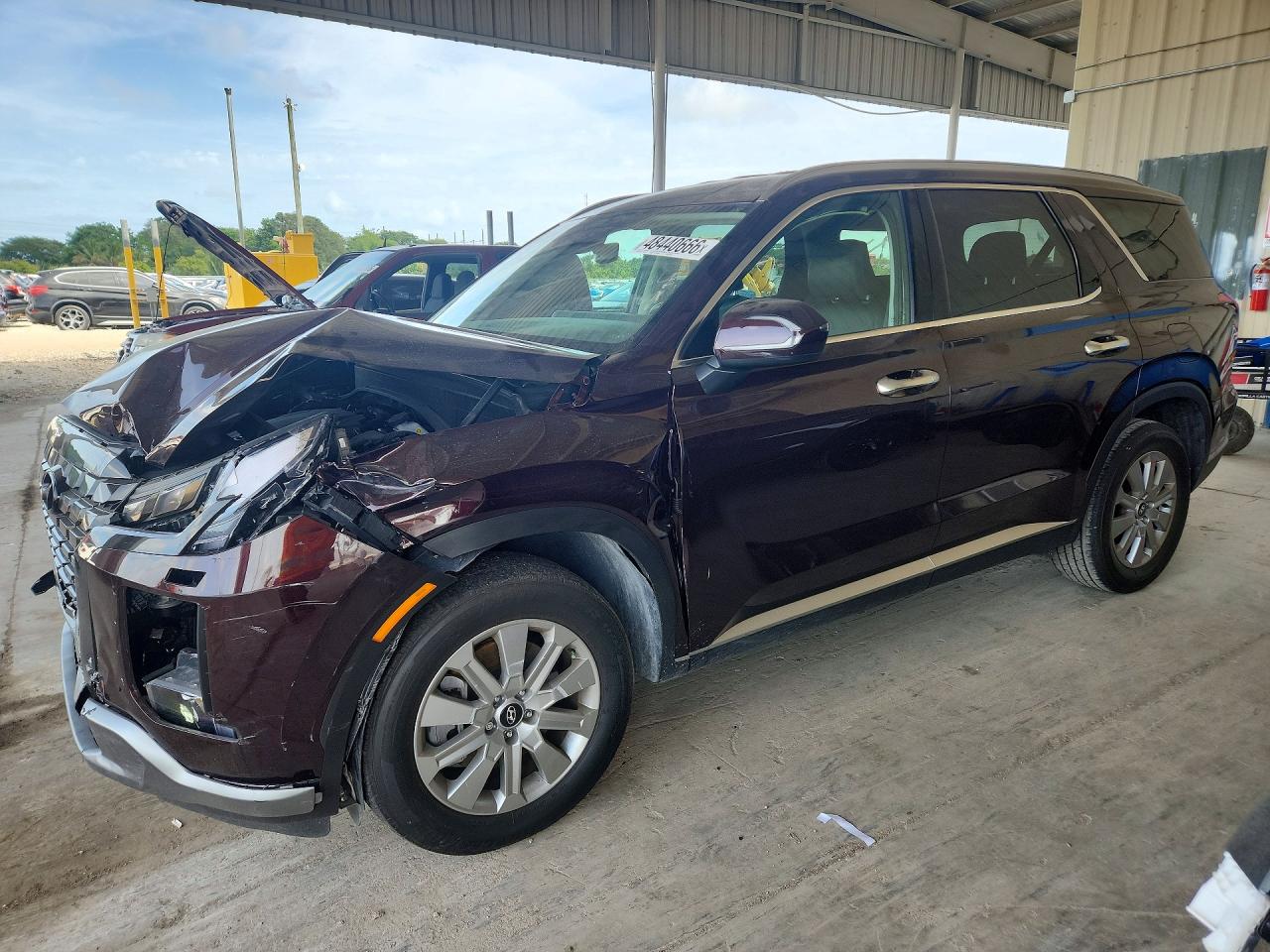 2025 HYUNDAI PALISADE SEL
KM8R24•••••••7403
3.8 gasoline · Automatic
Check history
2025 HYUNDAI PALISADE SEL
KM8R24•••••••7403
3.8 gasoline · Automatic
Check history
 2010 HYUNDAI SANTA FE GLS
5NMSGD•••••••8529
2.4 gasoline · Automatic
Check history
2010 HYUNDAI SANTA FE GLS
5NMSGD•••••••8529
2.4 gasoline · Automatic
Check history
 2013 HYUNDAI ELANTRA GLS
KMHDH4•••••••6823
1.8 gasoline · Automatic
Check history
2013 HYUNDAI ELANTRA GLS
KMHDH4•••••••6823
1.8 gasoline · Automatic
Check history
 2017 HYUNDAI SONATA LIMITED
5NPE34•••••••7446
2.4 gasoline · Automatic
Check history
2017 HYUNDAI SONATA LIMITED
5NPE34•••••••7446
2.4 gasoline · Automatic
Check history