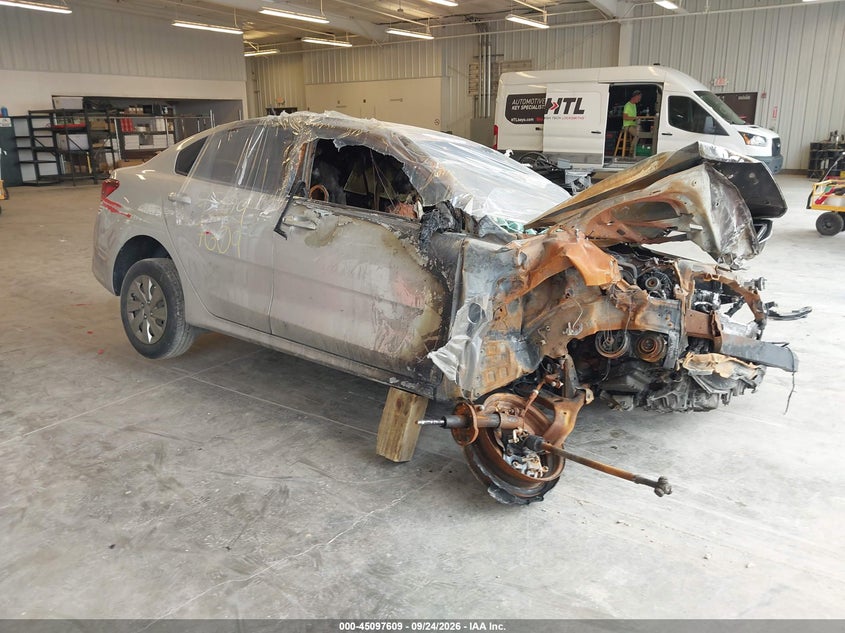
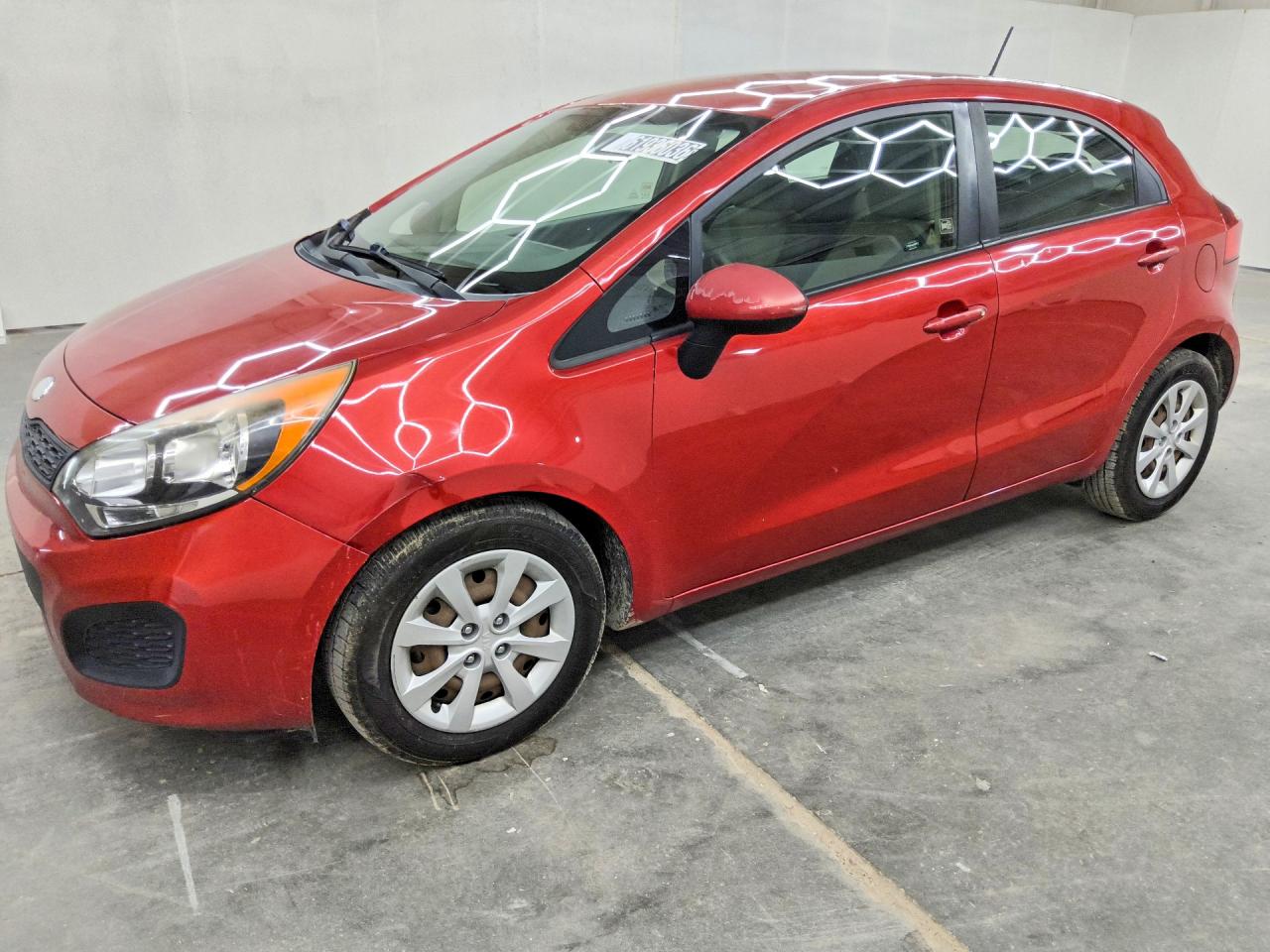
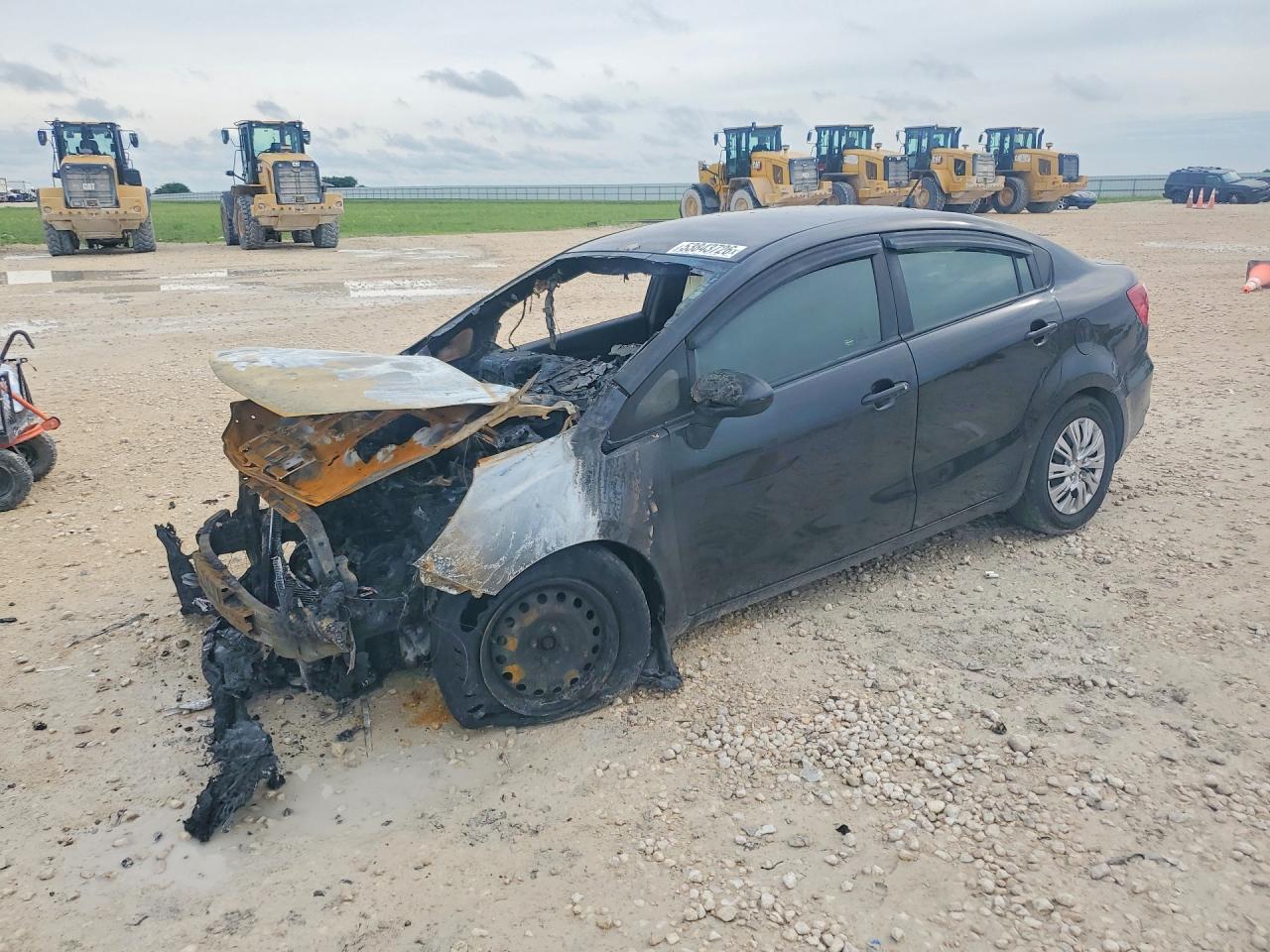
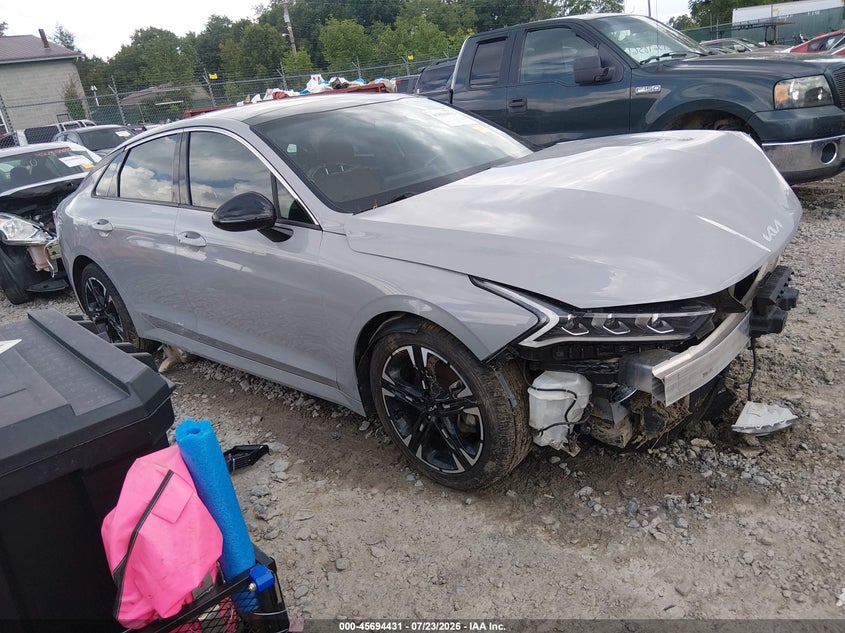
2017 KIA RIO LX VIN KNADM4A39H6049659

Damage map
If damage records exist for this VIN, the report shows the affected zonesTheft, liens and title
Checks that matter for registration and resaleRecorded condition
What the source noted about the car as it stands- Keys available
- No
- Start code
- Enhanced
History timeline
Data decoded from the VIN is shown. Records on file, if any, are in the full report.Mileage
Odometer reading as recorded at the sourceEarlier photos may be in the report
Check before you buy
Four things worth checking on any used carKIA RIO LX specifications
- VIN
- KNADM4A39H6049659
- Make
- KIA
- Model
- RIO LX
- Year
- 2017
- Colour
- RED
- Fuel
- Gasoline
- Engine
- 1.6 L
- Cylinders
- 4
- Power
- 138 hp
- Transmission
- Automatic
- Drive
- FWD
- Recorded damage
- Minor Dent/Scratches
What buyers ask about the KIA RIO LX
Was this 2017 KIA RIO LX damaged before?
The damage in the specifications is what the source noted at the time. Earlier accidents and repairs on file for VIN KNADM4A39H6049659, if any, are in the full report.
In which countries was this car registered?
Registrations abroad seldom reach local registers. If this car was registered in other countries, the full report names them.
Who sells the report, and what does it cost?
An independent partner, selected automatically for each VIN by our system from analytical data. The partner shows the price before you pay; we may earn a commission.
VIN KNADM4A39H6049659: history
This KIA RIO LX was built in 2017. Under the bonnet is a 1.6-litre petrol engine producing 138 hp. The drivetrain combines an automatic gearbox with front-wheel drive. Details for this car come from a single data source and may differ from its documents.
Gaps of several years between logged figures deserve attention, as does any reading lower than the one before it. A service book or a folder of workshop invoices is the simplest place to find past readings.
The main issue noted for this car is minor dents and scratches. The damage type is a short label: the extent of the damage and the quality of any repair still have to be judged on the car. Given the kind of damage entered, a mechanic should look first at the paintwork and whether any dent has reached the metal underneath.
No key is recorded with the car, and a replacement has to be coded to the immobiliser. Running condition describes a single moment, and standing or work done since can change it.
The record shows a clean title. Nothing on the title points to a total loss or a flood.
A car’s history answers three questions: who kept it, how it was looked after and what went wrong along the way. Pieces of a car’s history sit with registries, dealers, workshops and insurance companies, and none of them sees the whole picture. From the outside, a car with a repaired accident and a car without one can look identical.
An engine that has had its oil changed on time is far less likely to cause trouble later, and workshop invoices are the proof. A petrol engine in good order starts cleanly, idles evenly and pulls without hesitation. The automatic gearbox should respond smoothly and without delay; jerks, slipping or hesitation on a test drive need investigating.
Every modern car carries a 17-character VIN, its identity for life, and no two cars share one. The record gives the VIN as KNADM4A39H6049659. A VIN that differs between the documents and the car, or shows signs of tampering, is reason enough to walk away.
Depending on what is on file, a VIN report may include past registrations, mileage readings, damage entries, branded titles and theft checks. A repair paid for in cash at a small workshop leaves no trace in any database, so no report can list it. The past is on file; the car’s condition today is a job for a mechanic, who can check the structure, underbody, electrics and any repairs on a lift. The next step is to look up the history behind VIN KNADM4A39H6049659.