2010 KIA SOUL + VIN KNDJT2A26A7045248
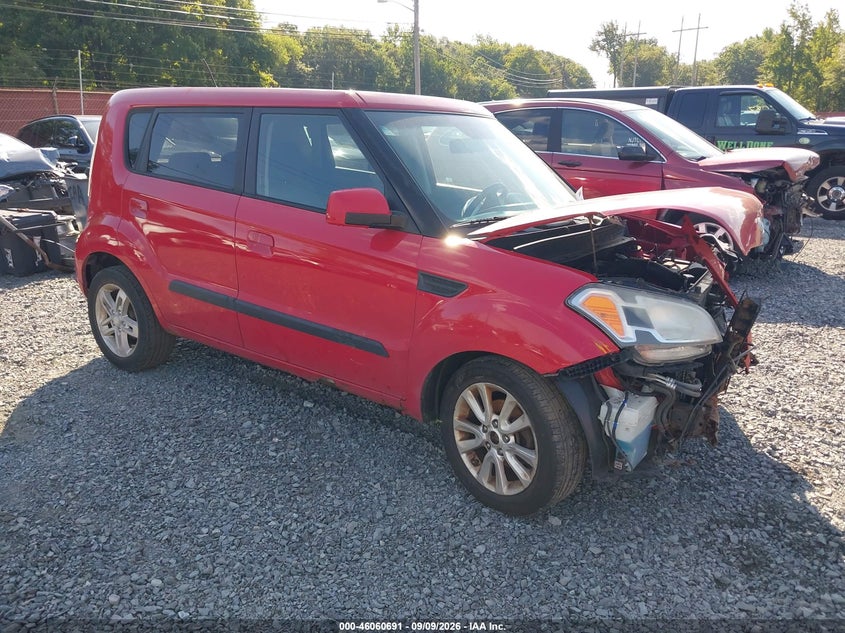
Damage map
If damage records exist for this VIN, the report shows the affected zonesTheft, liens and title
Checks that matter for registration and resaleRecorded condition
What the source noted about the car as it stands- Runs and drives
- No
- Engine starts
- No
- Keys available
- No
- Start code
- Stationary
History timeline
Data decoded from the VIN is shown. Records on file, if any, are in the full report.Mileage
Odometer reading as recorded at the sourceEarlier photos may be in the report
Check before you buy
Four things worth checking on any used carKIA SOUL + specifications
- VIN
- KNDJT2A26A7045248
- Make
- KIA
- Model
- SOUL +
- Year
- 2010
- Colour
- RED
- Fuel
- Gasoline
- Engine
- 2.0 L
- Cylinders
- 4
- Power
- 142 hp
- Transmission
- Automatic
- Drive
- FWD
- Recorded odometer
- 1 mi
- Recorded damage
- Front End
What buyers ask about the KIA SOUL +
Was this 2010 KIA SOUL + damaged before?
The damage in the specifications is what the source noted at the time. Earlier accidents and repairs on file for VIN KNDJT2A26A7045248, if any, are in the full report.
Can I trust the odometer reading of 1 mi?
It is the figure as recorded, not verified. Compare it with the earlier readings in the full report: they can only go up, so a drop points to a wound-back odometer.
In which countries was this car registered?
Registrations abroad seldom reach local registers. If this car was registered in other countries, the full report names them.
Who sells the report, and what does it cost?
An independent partner, selected automatically for each VIN by our system from analytical data. The partner shows the price before you pay; we may earn a commission.
VIN KNDJT2A26A7045248: history
The KIA Soul + described here left the factory in 2010. There is an automatic gearbox, with front-wheel drive. Power comes from a 2.0-litre petrol engine with four cylinders, rated at 142 hp. The specification is taken from the source data.
A later figure lower than an earlier one points to a replaced instrument cluster or an odometer that has been wound back. Figures carry most weight when they come from independent sources: workshops, inspection stations and past title paperwork.
When the car was recorded, it showed front-end damage. The damage type is a short label: the extent of the damage and the quality of any repair still have to be judged on the car. A lift and a diagnostic check show what photos cannot: bent brackets behind a panel, chafed wiring or deployed airbags.
When it was checked, the car could not be driven. An engine that will not start could have a simple electrical fault or internal damage, and only diagnostic work can tell which. Without a key, a modern car needs a replacement coded to its immobiliser before it can even be started. A condition note describes the car at one moment; months of standing or later work on the car can change the picture in either direction.
The record shows a salvage title. Such a title means the car was declared a total loss and can return to the road only after repair and inspection. The structure and the quality of any work done deserve a thorough inspection on a car with a branded title.
Behind every used car lies a string of events: who owned it and for how long, what the inspections found and which repairs and claims were made. No single office holds the whole story of a car: registries, workshops, insurance companies and lenders each keep their own part. What a car has been through is seldom visible at first glance, and a respray can make even a badly damaged car look sound.
When a car does not run, a compression test and the condition of the oil tell a mechanic whether the engine can be brought back to life. On a petrol engine, spark plugs, ignition coils and the cooling system are the routine items a service history should cover. On a car that does not run, the automatic gearbox cannot be judged on the road; the colour and smell of its fluid and a diagnostic scan give the first clues.
The ninth character of the VIN is a check digit calculated from the other sixteen, so a mistyped or invented number does not add up. This KIA Soul + has the VIN KNDJT2A26A7045248. Scratches, fresh paint or a replaced plate around the VIN markings are warning signs in their own right.
What a history report can list depends on what has been documented about the car: registrations, mileage readings, damage, branded titles and theft reports. A repair paid for in cash at a small workshop leaves no trace in any database, so no report can list it. A VIN check and a physical inspection answer different questions: the first says what happened to the car, the second what condition it is in now. A history check on VIN KNDJT2A26A7045248 is the place to start.