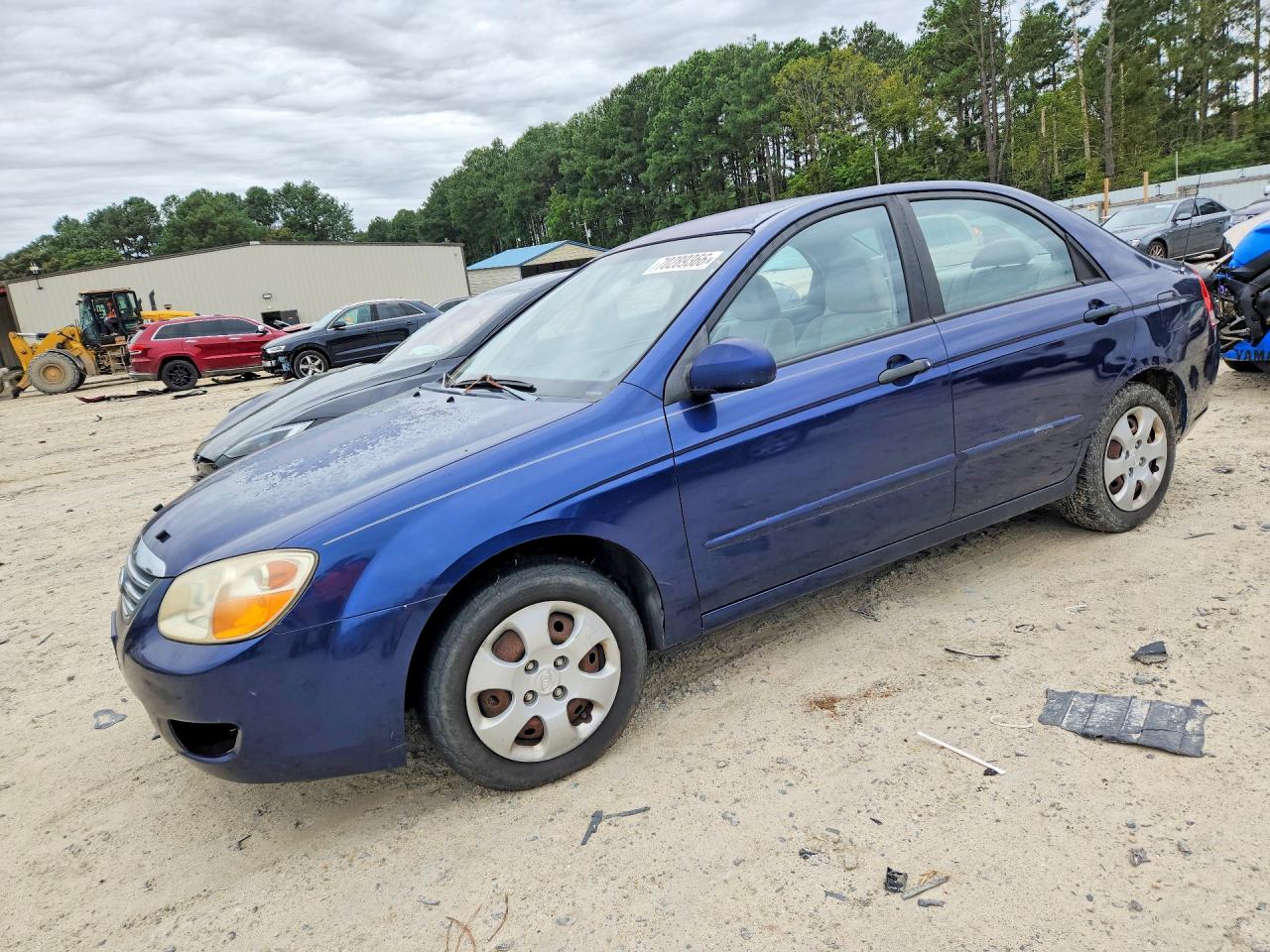
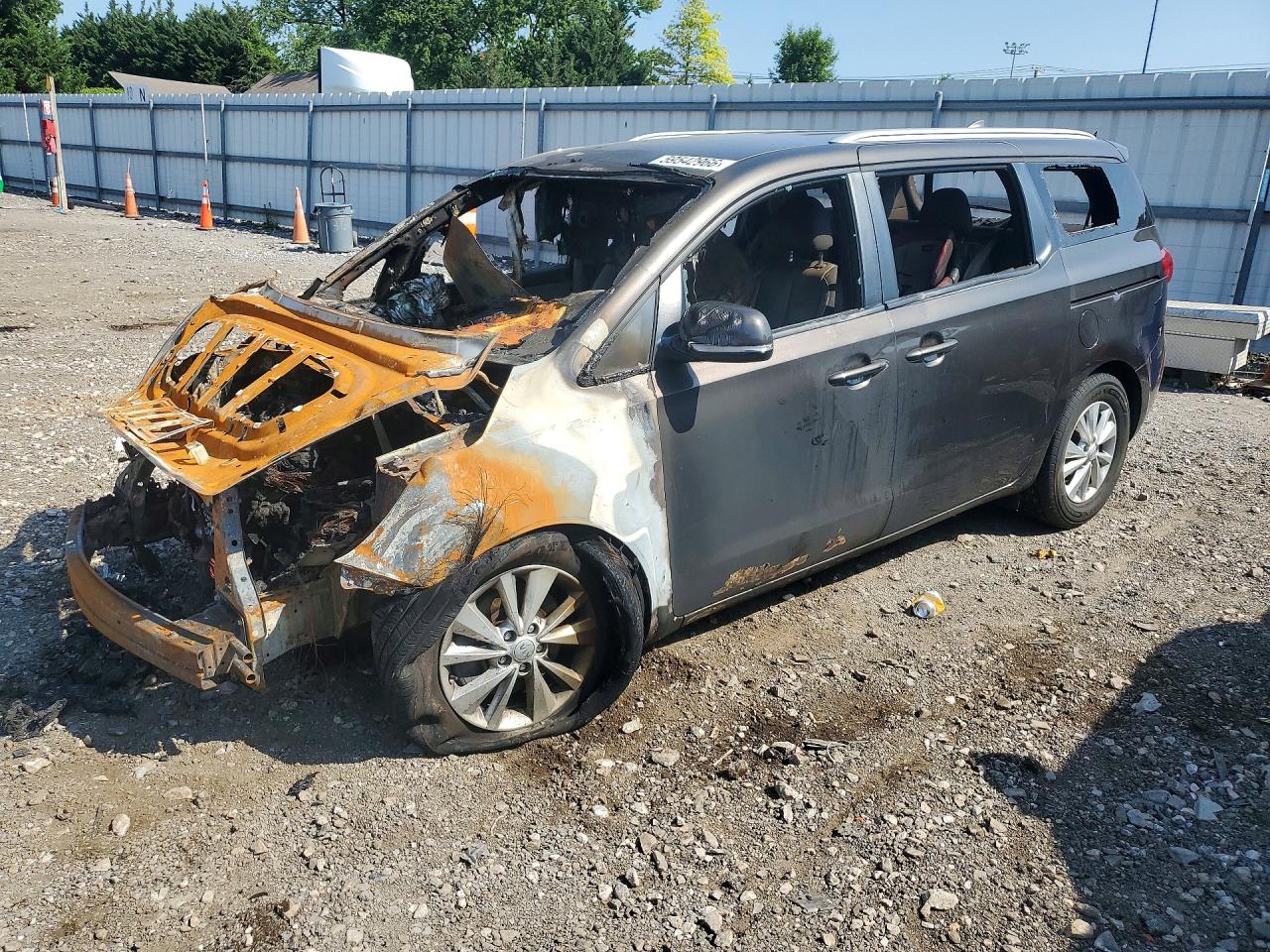
2018 KIA SEDONA LX VIN KNDMB5C12J6372631
Damage map
If damage records exist for this VIN, the report shows the affected zonesTheft, liens and title
Checks that matter for registration and resaleRecorded condition
What the source noted about the car as it stands- Keys available
- No
- Start code
- Enhanced
History timeline
Data decoded from the VIN is shown. Records on file, if any, are in the full report.Mileage
Odometer reading as recorded at the sourceEarlier photos may be in the report
Check before you buy
Four things worth checking on any used carKIA SEDONA LX specifications
- VIN
- KNDMB5C12J6372631
- Make
- KIA
- Model
- SEDONA LX
- Year
- 2018
- Colour
- GRAY
- Fuel
- Gasoline
- Engine
- 3.3 L
- Cylinders
- 6
- Power
- 276 hp
- Transmission
- Automatic
- Drive
- FWD
- Recorded damage
- BURN - ENGINE
What buyers ask about the KIA SEDONA LX
Was this 2018 KIA SEDONA LX damaged before?
The damage in the specifications is what the source noted at the time. Earlier accidents and repairs on file for VIN KNDMB5C12J6372631, if any, are in the full report.
In which countries was this car registered?
Registrations abroad seldom reach local registers. If this car was registered in other countries, the full report names them.
Who sells the report, and what does it cost?
An independent partner, selected automatically for each VIN by our system from analytical data. The partner shows the price before you pay; we may earn a commission.
VIN KNDMB5C12J6372631: history
This record covers a 2018 KIA Sedona LX. The engine is a 3.3-litre petrol unit with six cylinders. There is an automatic gearbox, with front-wheel drive. The specification is taken from the source data and has not been checked against other documents.
Gaps of several years between logged figures deserve attention, as does any reading lower than the one before it. Title paperwork often notes the mileage at each change of owner, which makes it a useful cross-check.
The source data names no primary damage. That shows only that none was entered, so the body still deserves a close look. Signs of an old repair – uneven panel gaps, overspray, a slight mismatch in paint – can still turn up at an inspection.
Without a key, a modern car needs a replacement coded to its immobiliser before it can even be started. Condition notes are a snapshot: the car may have been worked on, stripped of parts or left standing since.
A salvage title is on file for this car. At some point in its life, the car was declared a total loss.
Every car builds up a history from the day it is first registered: owners come and go, inspections are passed or failed, and repairs are paid for. No single office holds the whole story of a car: registries, workshops, insurance companies and lenders each keep their own part. A car’s past rarely shows on the paintwork: a well-repaired accident or water damage that was dried out is easy to miss.
An engine that has had its oil changed on time is far less likely to cause trouble later, and workshop invoices are the proof. Many modern petrol engines are turbocharged and direct-injected; where they are, the turbocharger and injectors belong on a specialist’s checklist. Automatic transmissions, CVTs included, are expensive to repair, so the test drive should include pulling away from a standstill and a stretch at motorway speed.
The ninth character of the VIN is a check digit calculated from the other sixteen, so a mistyped or invented number does not add up. For this car, the VIN is KNDMB5C12J6372631.
A VIN report shows what has been logged: earlier registrations, odometer figures, damage entries, branded titles and theft checks, wherever such data exists. A repair paid for in cash at a small workshop leaves no trace in any database, so no report can list it. The past is on file; the car’s condition today is a job for a mechanic, who can check the structure, underbody, electrics and any repairs on a lift. Before any decision, check what is known about VIN KNDMB5C12J6372631.