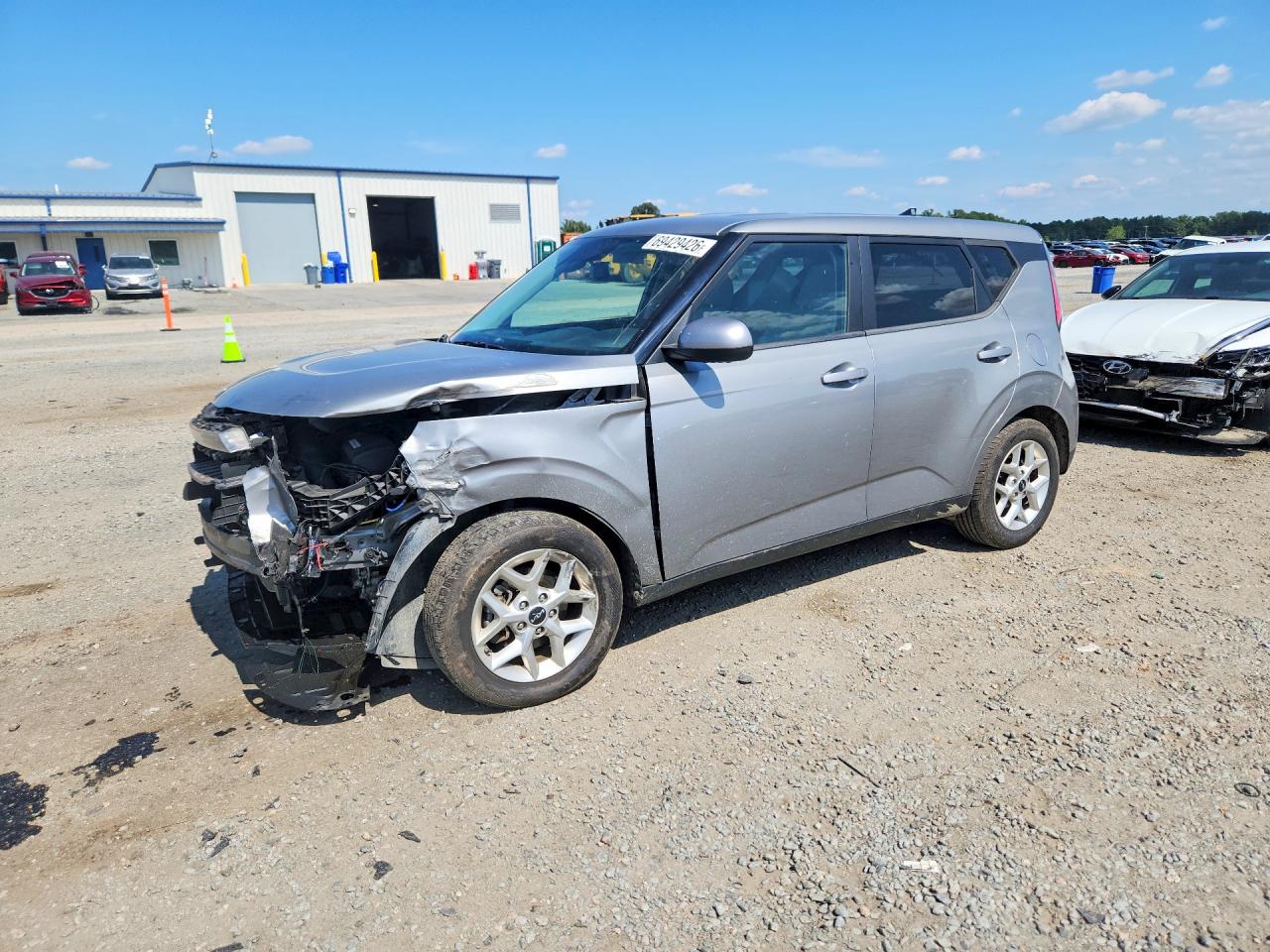
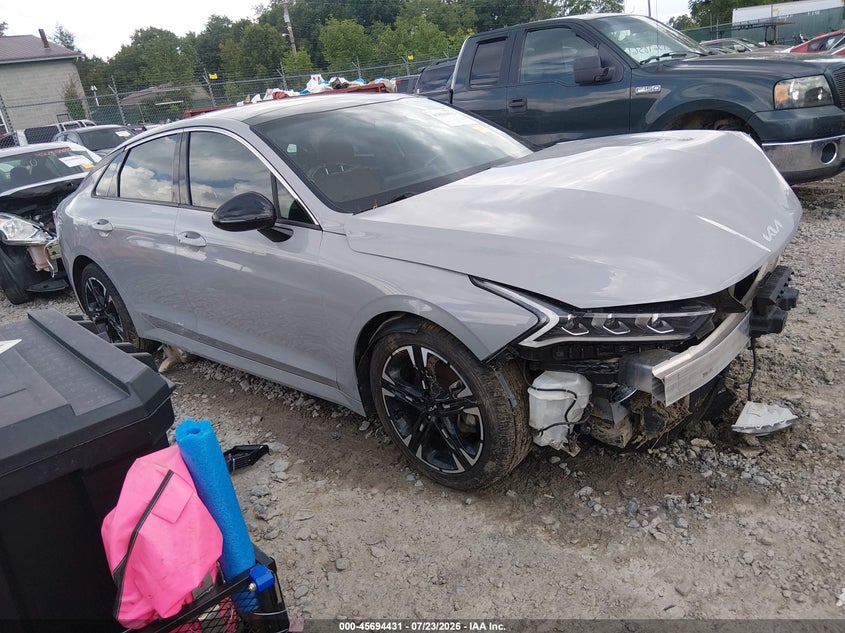
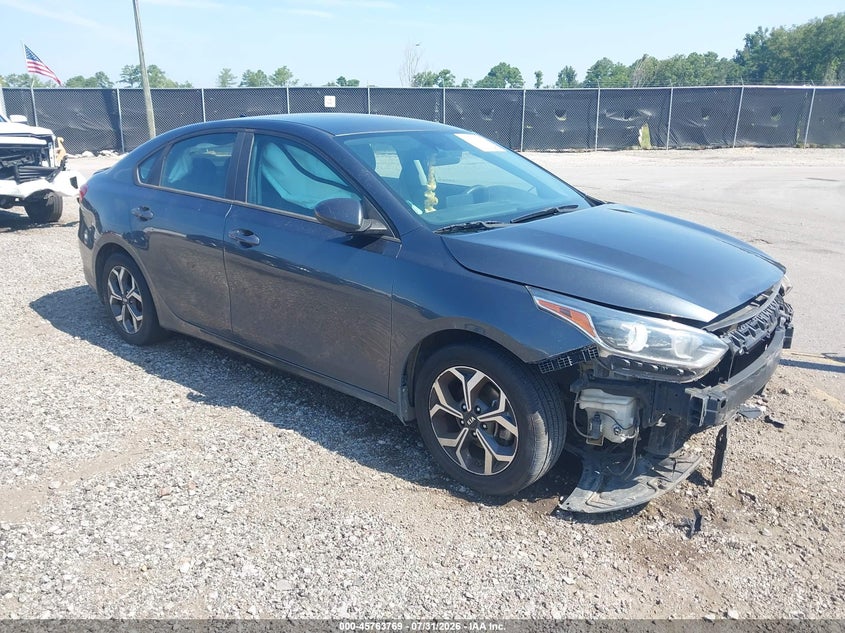
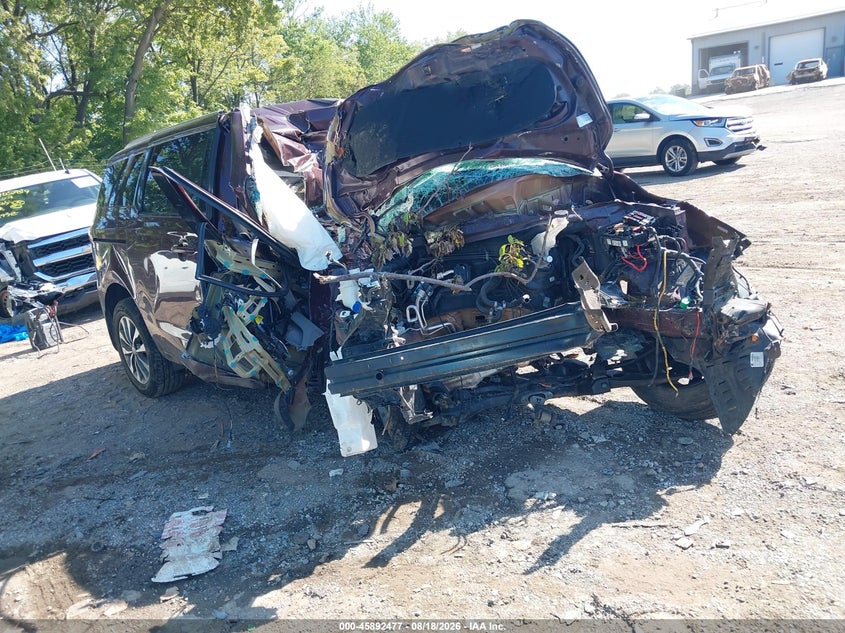
2018 KIA SEDONA SX VIN KNDMC5C10J6377162
Damage map
If damage records exist for this VIN, the report shows the affected zonesTheft, liens and title
Checks that matter for registration and resaleRecorded condition
What the source noted about the car as it stands- Runs and drives
- No
- Engine starts
- No
- Keys available
- Yes
- Start code
- Stationary
History timeline
Data decoded from the VIN is shown. Records on file, if any, are in the full report.Mileage
Odometer reading as recorded at the sourceEarlier photos may be in the report
Check before you buy
Four things worth checking on any used carKIA SEDONA SX specifications
- VIN
- KNDMC5C10J6377162
- Make
- KIA
- Model
- SEDONA SX
- Year
- 2018
- Colour
- BROWN
- Fuel
- Gasoline
- Engine
- 3.3 L
- Cylinders
- 6
- Power
- 276 hp
- Transmission
- Automatic
- Drive
- FWD
- Recorded odometer
- 1 mi
- Recorded damage
- Theft
What buyers ask about the KIA SEDONA SX
Was this 2018 KIA SEDONA SX damaged before?
The damage in the specifications is what the source noted at the time. Earlier accidents and repairs on file for VIN KNDMC5C10J6377162, if any, are in the full report.
Can I trust the odometer reading of 1 mi?
It is the figure as recorded, not verified. Compare it with the earlier readings in the full report: they can only go up, so a drop points to a wound-back odometer.
In which countries was this car registered?
Registrations abroad seldom reach local registers. If this car was registered in other countries, the full report names them.
Who sells the report, and what does it cost?
An independent partner, selected automatically for each VIN by our system from analytical data. The partner shows the price before you pay; we may earn a commission.
VIN KNDMC5C10J6377162: history
The KIA Sedona SX described here left the factory in 2018. The engine is a 3.3-litre petrol unit with six cylinders. The drivetrain combines an automatic gearbox with front-wheel drive. Details for this car come from a single data source and may differ from its documents.
The number on the clock proves little by itself; earlier figures logged at services and inspections are what make it believable. Older figures usually turn up on service invoices, inspection reports and past title paperwork.
No damage type appears in the source data; that shows what was entered, not what the car has been through. Signs of an old repair – uneven panel gaps, overspray, a slight mismatch in paint – can still turn up at an inspection.
When it was checked, the car could not be driven. The engine could not be started. A key is on file for the car. Months of standing can leave a car with seized brakes and perished tyres.
Title status in the record: clean. With a clean title the car can be registered and insured in the usual way.
A car’s history is the sum of what has happened to it since it was new, and most of it has left a trace on paper somewhere. Pieces of a car’s history sit with registries, dealers, workshops and insurance companies, and none of them sees the whole picture. What a car has been through is seldom visible at first glance, and a respray can make even a badly damaged car look sound.
For the engine, the service history matters most: oil changes, filters and the timing belt or chain are the entries to look for. Many modern petrol engines are turbocharged and direct-injected; where they are, the turbocharger and injectors belong on a specialist’s checklist. With no test drive possible, the automatic gearbox has to be assessed on a lift and with diagnostic equipment.
The ninth character of the VIN is a check digit calculated from the other sixteen, so a mistyped or invented number does not add up. For this car, the VIN is KNDMC5C10J6377162.
Depending on what is on file, a VIN report may include past registrations, mileage readings, damage entries, branded titles and theft checks. A professional inspection makes sense whatever the paperwork shows, because no report measures corrosion, worn bushes or a poor repair. Look up the history of VIN KNDMC5C10J6377162 first, and let what it shows guide the inspection.