2013 FORD F-250 LARIAT VIN 1FT7W2BT3DEA90737
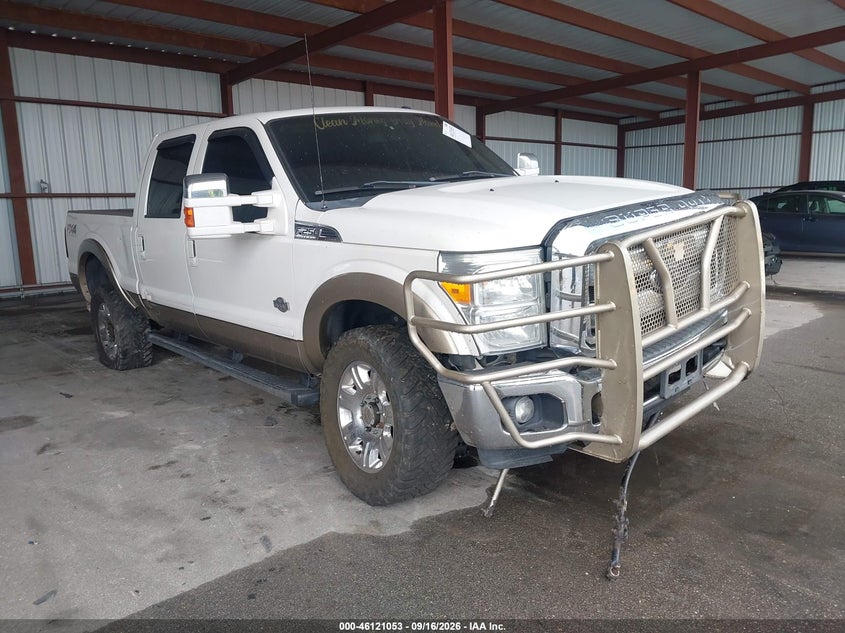
Damage map
If damage records exist for this VIN, the report shows the affected zonesTheft, liens and title
Checks that matter for registration and resaleRecorded condition
What the source noted about the car as it stands- Runs and drives
- No
- Engine starts
- No
- Keys available
- Yes
- Start code
- Stationary
History timeline
Data decoded from the VIN is shown. Records on file, if any, are in the full report.Mileage
Odometer reading as recorded at the sourceEarlier photos may be in the report
Check before you buy
Four things worth checking on any used carFORD F-250 LARIAT specifications
- VIN
- 1FT7W2BT3DEA90737
- Make
- FORD
- Model
- F-250 LARIAT
- Year
- 2013
- Colour
- WHITE
- Fuel
- Diesel
- Engine
- 6.7 L
- Cylinders
- 8
- Power
- 400 hp
- Transmission
- Automatic
- Drive
- 4x4
- Recorded odometer
- 279 473 mi
- Recorded damage
- UNDERCARRIAGE
What buyers ask about the FORD F-250 LARIAT
Was this 2013 FORD F-250 LARIAT damaged before?
The damage in the specifications is what the source noted at the time. Earlier accidents and repairs on file for VIN 1FT7W2BT3DEA90737, if any, are in the full report.
Can I trust the odometer reading of 279 473 mi?
It is the figure as recorded, not verified. Compare it with the earlier readings in the full report: they can only go up, so a drop points to a wound-back odometer.
In which countries was this car registered?
Registrations abroad seldom reach local registers. If this car was registered in other countries, the full report names them.
Who sells the report, and what does it cost?
An independent partner, selected automatically for each VIN by our system from analytical data. The partner shows the price before you pay; we may earn a commission.
VIN 1FT7W2BT3DEA90737: history
This record covers a 2013 Ford F-250 Lariat, finished in white. There is an automatic gearbox, with four-wheel drive. Under the bonnet is a 6.7-litre diesel engine producing 400 hp. The specification is taken from the source data and has not been checked against other documents.
The recorded mileage is 279,473 miles. Averaged over the car’s age, the mileage works out well above the usual annual distance, and wear on the suspension, brakes and interior should be judged with that in mind. Services and inspections note the distance covered, so a car with an ordinary past builds up a trail of figures that climb year after year. Service invoices and inspection reports each carry a mileage figure, and lined up in order they show whether the clock tells the truth.
Primary damage in the record: underbody. Two cars with the same damage label can be very different: one needs a few new parts, the other major work. Given the kind of damage entered, a mechanic should look first at the floor pan, the fuel and brake lines and the exhaust.
As a non-runner, the car needs its engine, gearbox and electrics assessed before anything else. The engine would not start, which can mean anything from a flat battery to serious mechanical damage. A key is on file for the car. Condition notes are a snapshot: the car may have been worked on, stripped of parts or left standing since.
The car carries a salvage title. At some point in its life, the car was declared a total loss. A branded title follows the car through every change of owner, so it remains part of its history.
Every car builds up a history from the day it is first registered: owners come and go, inspections are passed or failed, and repairs are paid for. A car’s paperwork is scattered: the registry knows about owners, the workshop about repairs and the insurance company about claims. A car’s past rarely shows on the paintwork: a well-repaired accident or water damage that was dried out is easy to miss.
A diesel particulate filter needs regular longer drives to clean itself, so the way the car has been used matters as much as its mileage. On a car that does not run, the automatic gearbox cannot be judged on the road; the colour and smell of its fluid and a diagnostic scan give the first clues. A car with four-wheel drive has extra differentials and often a transfer case, which an inspection should cover alongside the engine and gearbox.
A VIN never contains the letters I, O or Q, which could be mistaken for digits; its 17 characters identify the maker, the model and the individual car. For this car, the VIN is 1FT7W2BT3DEA90737. Scratches, fresh paint or a replaced plate around the VIN markings are warning signs in their own right.
A VIN report shows what has been logged: earlier registrations, odometer figures, damage entries, branded titles and theft checks, wherever such data exists. A repair paid for in cash at a small workshop leaves no trace in any database, so no report can list it. The past is on file; the car’s condition today is a job for a mechanic, who can check the structure, underbody, electrics and any repairs on a lift. With this 2013 Ford F-250 Lariat, the first step is a look at the history behind VIN 1FT7W2BT3DEA90737.
Similar FORD F-250 LARIAT cars
All FORD cars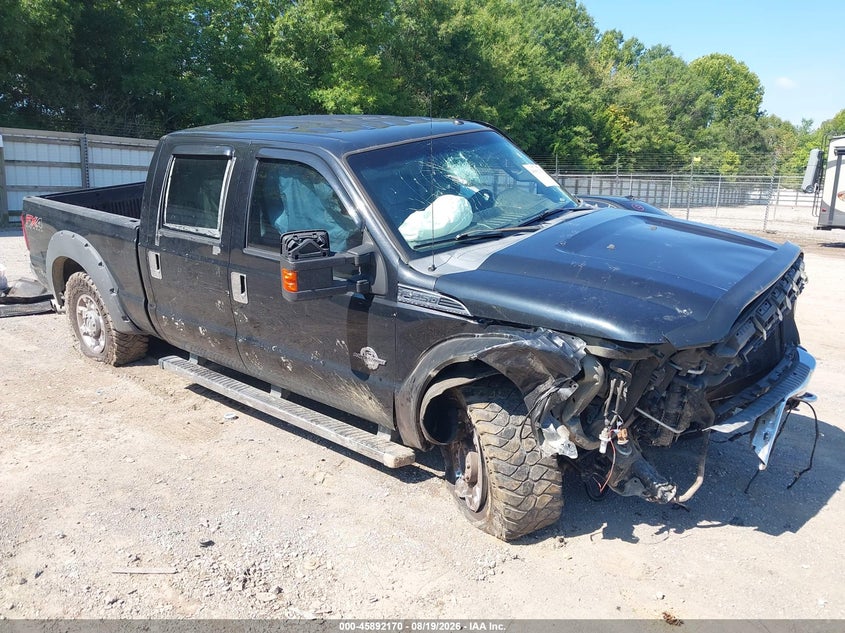 2012 FORD F-250 LARIAT
1FT7W2•••••••7949
6.7 diesel · Automatic
Check history
2012 FORD F-250 LARIAT
1FT7W2•••••••7949
6.7 diesel · Automatic
Check history
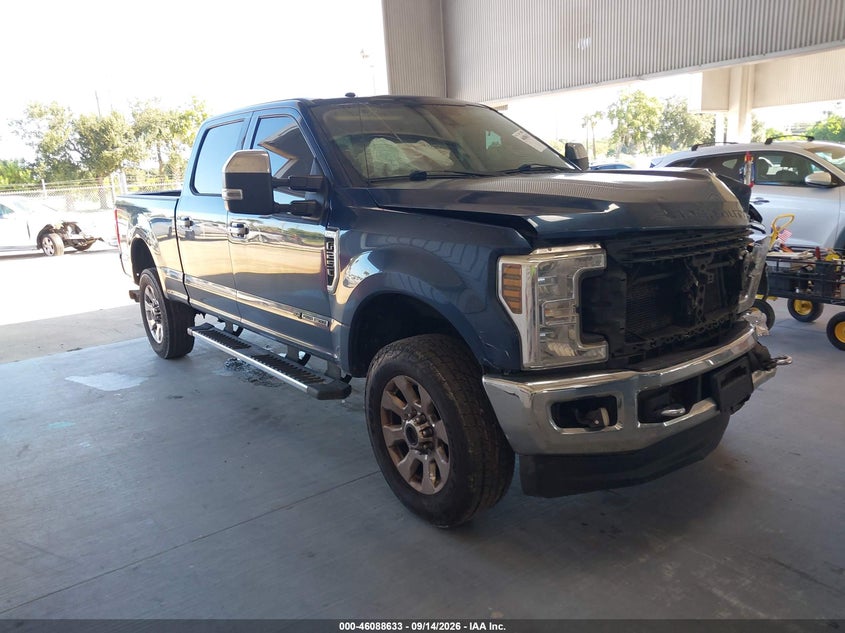 2018 FORD F-250 LARIAT
1FT7W2•••••••8626
6.7 diesel · Automatic
Check history
2018 FORD F-250 LARIAT
1FT7W2•••••••8626
6.7 diesel · Automatic
Check history
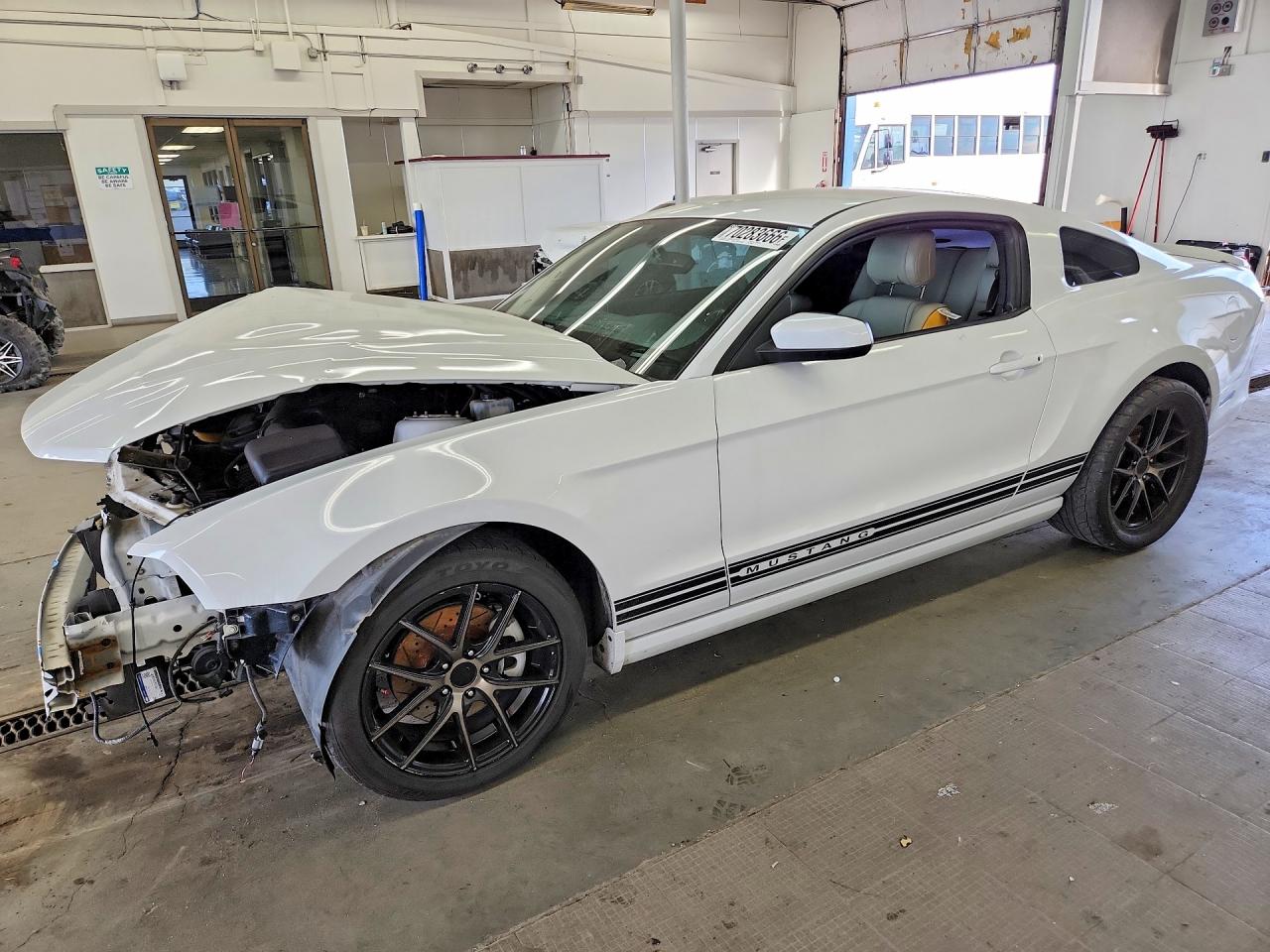 2014 FORD MUSTANG
1ZVBP8•••••••2695
3.7 gasoline · Automatic
Check history
2014 FORD MUSTANG
1ZVBP8•••••••2695
3.7 gasoline · Automatic
Check history
 2013 FORD FUSION S
3FA6P0•••••••8651
2.5 gasoline · Automatic
Check history
2013 FORD FUSION S
3FA6P0•••••••8651
2.5 gasoline · Automatic
Check history