2004 FORD F-150 LARIAT/XL/XLT VIN 1FTPX12554FA08283
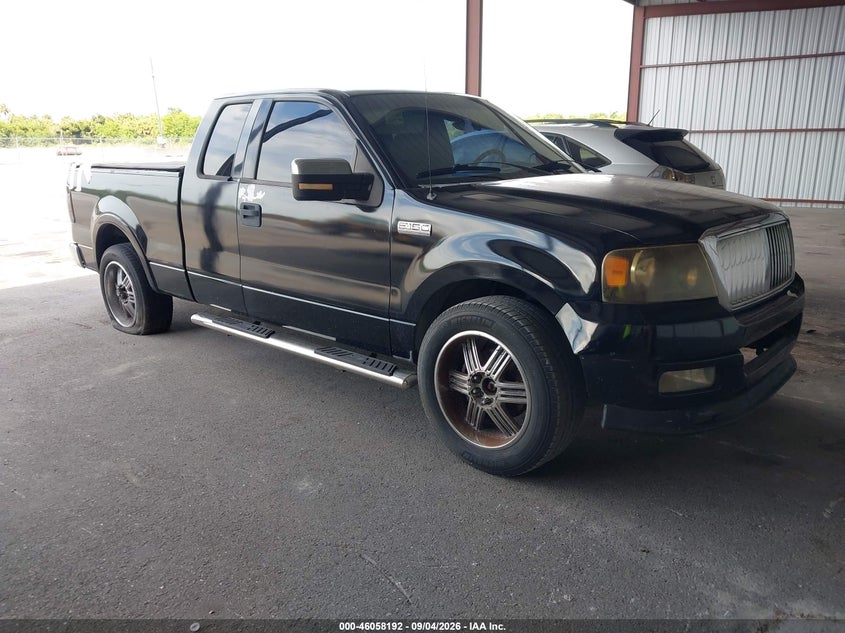
Damage map
If damage records exist for this VIN, the report shows the affected zonesTheft, liens and title
Checks that matter for registration and resaleRecorded condition
What the source noted about the car as it stands- Runs and drives
- No
- Engine starts
- No
- Keys available
- Yes
- Start code
- Stationary
History timeline
Data decoded from the VIN is shown. Records on file, if any, are in the full report.Mileage
Odometer reading as recorded at the sourceEarlier photos may be in the report
Check before you buy
Four things worth checking on any used carFORD F-150 LARIAT/XL/XLT specifications
- VIN
- 1FTPX12554FA08283
- Make
- FORD
- Model
- F-150 LARIAT/XL/XLT
- Year
- 2004
- Colour
- BLACK
- Fuel
- Gasoline
- Engine
- 5.4 L
- Cylinders
- 8
- Power
- 300 hp
- Transmission
- Automatic
- Recorded odometer
- 228 152 mi
- Recorded damage
- Normal Wear & Tear
What buyers ask about the FORD F-150 LARIAT/XL/XLT
Was this 2004 FORD F-150 LARIAT/XL/XLT damaged before?
The damage in the specifications is what the source noted at the time. Earlier accidents and repairs on file for VIN 1FTPX12554FA08283, if any, are in the full report.
Can I trust the odometer reading of 228 152 mi?
It is the figure as recorded, not verified. Compare it with the earlier readings in the full report: they can only go up, so a drop points to a wound-back odometer.
In which countries was this car registered?
Registrations abroad seldom reach local registers. If this car was registered in other countries, the full report names them.
Who sells the report, and what does it cost?
An independent partner, selected automatically for each VIN by our system from analytical data. The partner shows the price before you pay; we may earn a commission.
VIN 1FTPX12554FA08283: history
This entry is for a 2004 Ford F-150. Under the bonnet is a 5.4-litre petrol engine producing 300 hp. Power reaches the wheels through an automatic gearbox.
The source data puts the mileage at 228,152 miles. Because the clock counts miles, any figure noted in kilometres has to be converted before the two can be compared. Gaps of several years between logged figures deserve attention, as does any reading lower than the one before it. A service book or a folder of workshop invoices is the simplest place to find past readings.
No damage type appears in the source data; that shows what was entered, not what the car has been through. Water marks under the carpets, rust in unusual places or a panel in a slightly different shade would point to damage nobody ever entered.
When it was checked, the car could not be driven. The engine could not be started. A key was there when the car was checked. Months of standing can leave a car with seized brakes and perished tyres.
According to the source data, the car has a clean title. A clean title is a good sign, though it says nothing about wear, maintenance or how the car was driven.
Registrations, changes of owner, inspection results and accident claims together make up what is called a car’s history. The paperwork is kept by different bodies – registries, workshops, insurance companies and lenders – so the history of one car is spread across many places. A clean, polished car can still hide a serious accident, a flood or years of hard use.
An engine that has had its oil changed on time is far less likely to cause trouble later, and workshop invoices are the proof. On a petrol engine, spark plugs, ignition coils and the cooling system are the routine items a service history should cover. While the car does not run, stored fault codes and a look at the fluid are the only early evidence of how the automatic gearbox has fared.
The VIN is a 17-character code assigned at the factory: it identifies the manufacturer, the model and its variant, and ends with a serial number unique to the car. This Ford F-150 has the VIN 1FTPX12554FA08283. The number in the car’s documents should match the one stamped into the body and the one on the plate at the base of the windscreen.
A VIN report gathers what different sources know about a car, such as the number of owners, mileage readings, damage and any branded title. A repair paid for in cash at a small workshop leaves no trace in any database, so no report can list it. A professional inspection makes sense whatever the paperwork shows, because no report measures corrosion, worn bushes or a poor repair. For this 2004 Ford F-150, the sensible next step is a history check on VIN 1FTPX12554FA08283.
Similar FORD F-150 LARIAT/XL/XLT cars
All FORD cars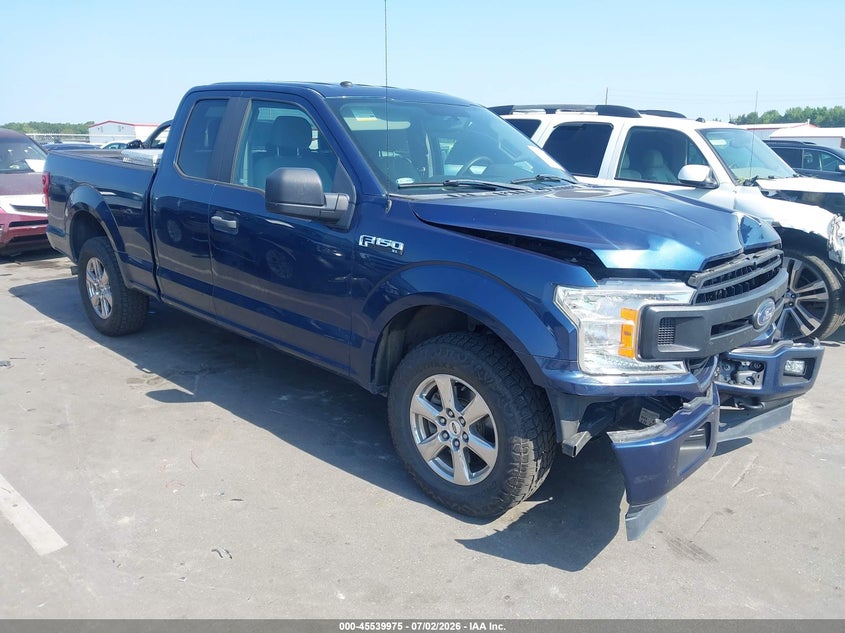 2018 FORD F-150 LARIAT/XL/XLT
1FTEX1•••••••9938
2.7 gasoline · Automatic
Check history
2018 FORD F-150 LARIAT/XL/XLT
1FTEX1•••••••9938
2.7 gasoline · Automatic
Check history
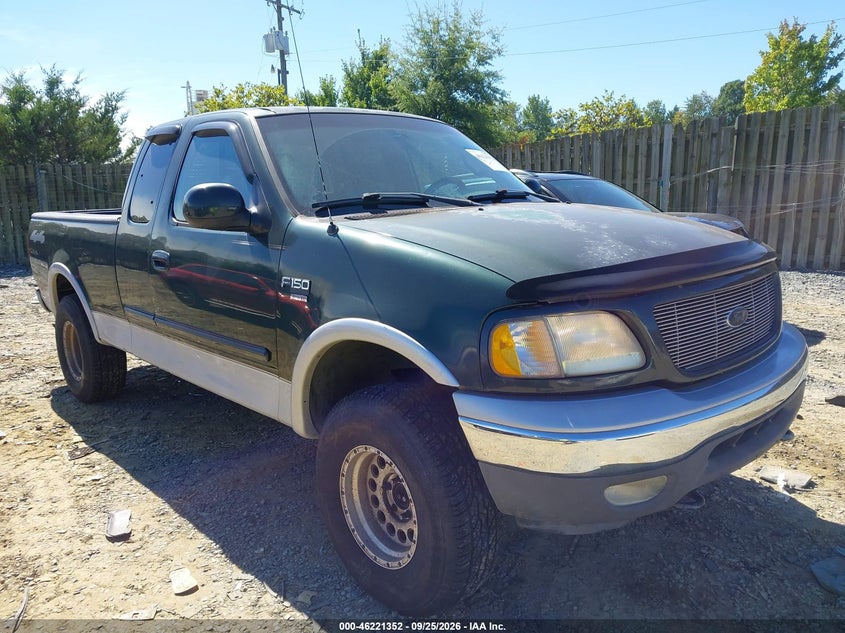 2002 FORD F-150 LARIAT/XL/XLT
2FTRX1•••••••1145
5.4 gasoline · Automatic
Check history
2002 FORD F-150 LARIAT/XL/XLT
2FTRX1•••••••1145
5.4 gasoline · Automatic
Check history
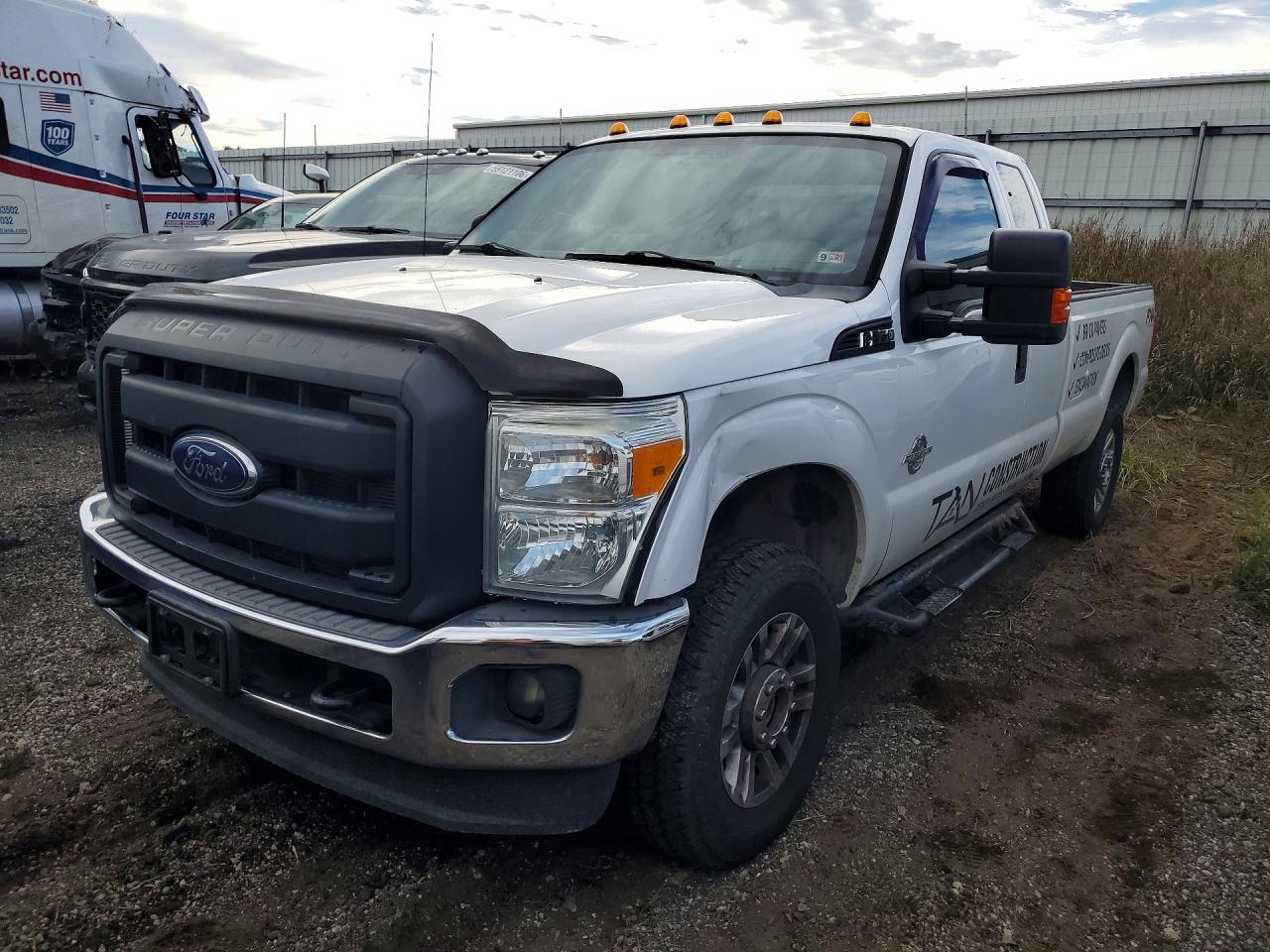 2015 FORD F350 SUPER DUTY
1FT8X3•••••••5488
6.7 diesel · Automatic
Check history
2015 FORD F350 SUPER DUTY
1FT8X3•••••••5488
6.7 diesel · Automatic
Check history
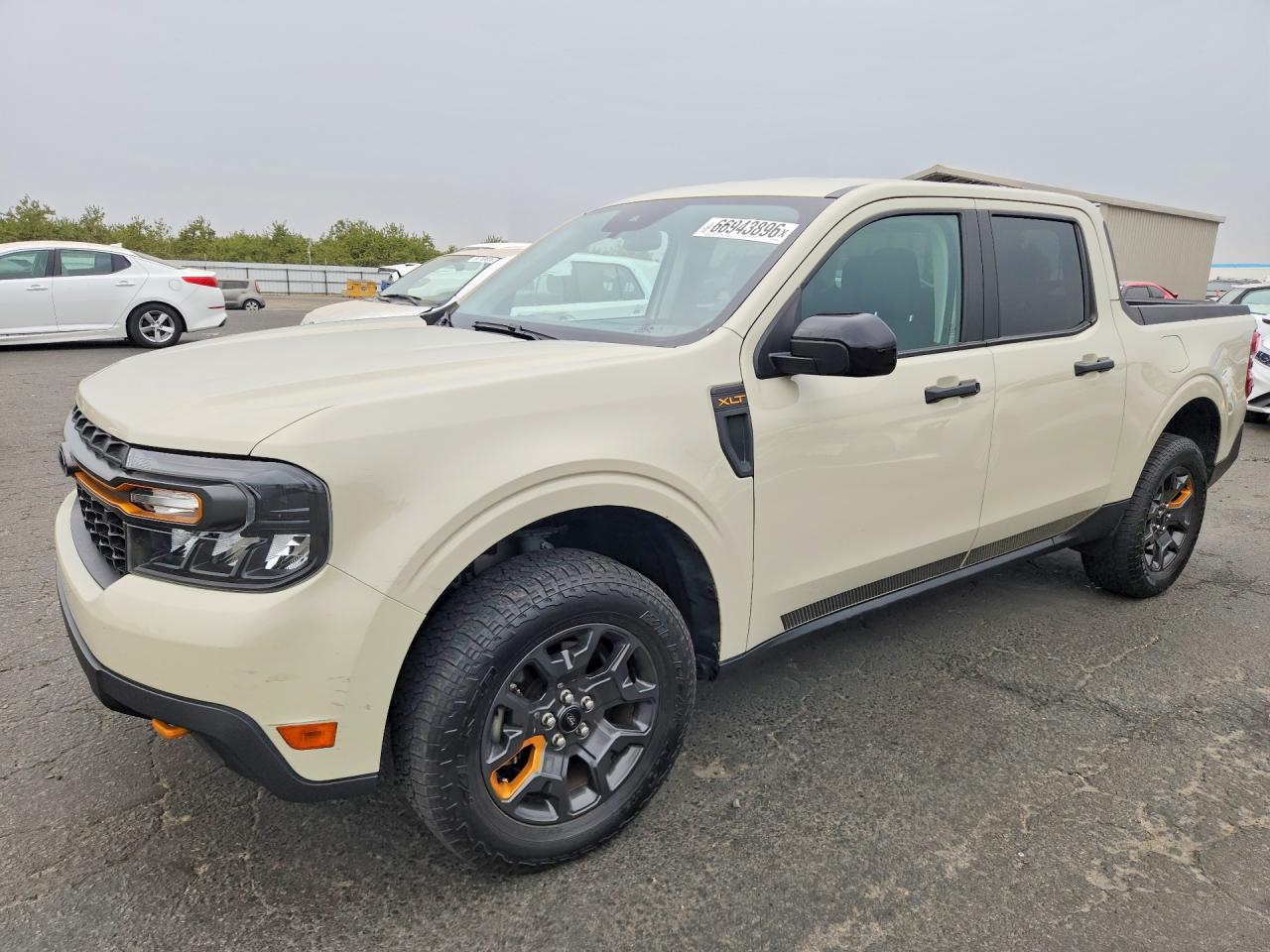 2024 FORD MAVERICK XLT TREMOR
3FTTW8•••••••0253
2.0 gasoline · Automatic
Check history
2024 FORD MAVERICK XLT TREMOR
3FTTW8•••••••0253
2.0 gasoline · Automatic
Check history