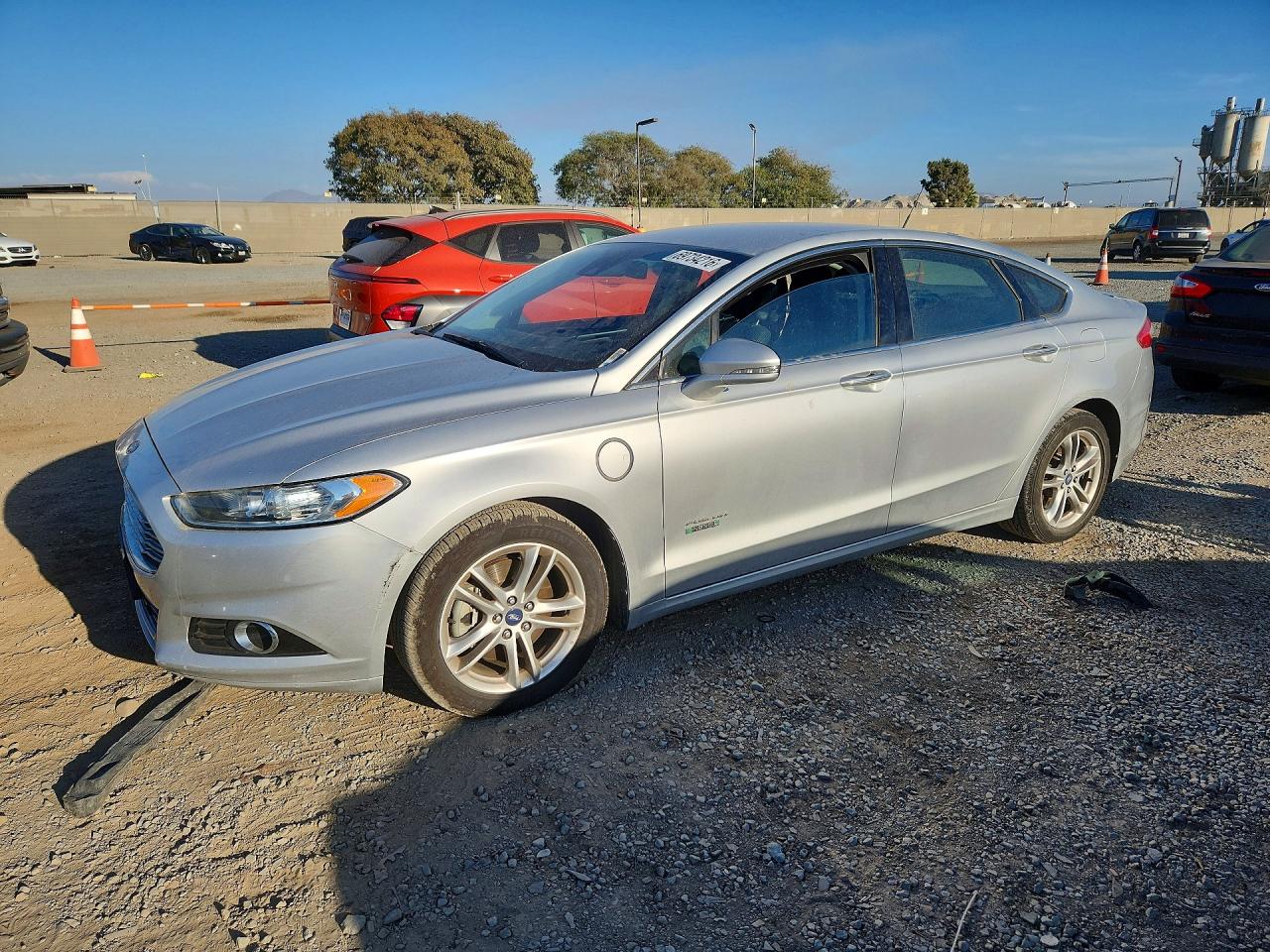
2014 FORD FUSION TITANIUM PHEV VIN 3FA6P0SU5ER378771
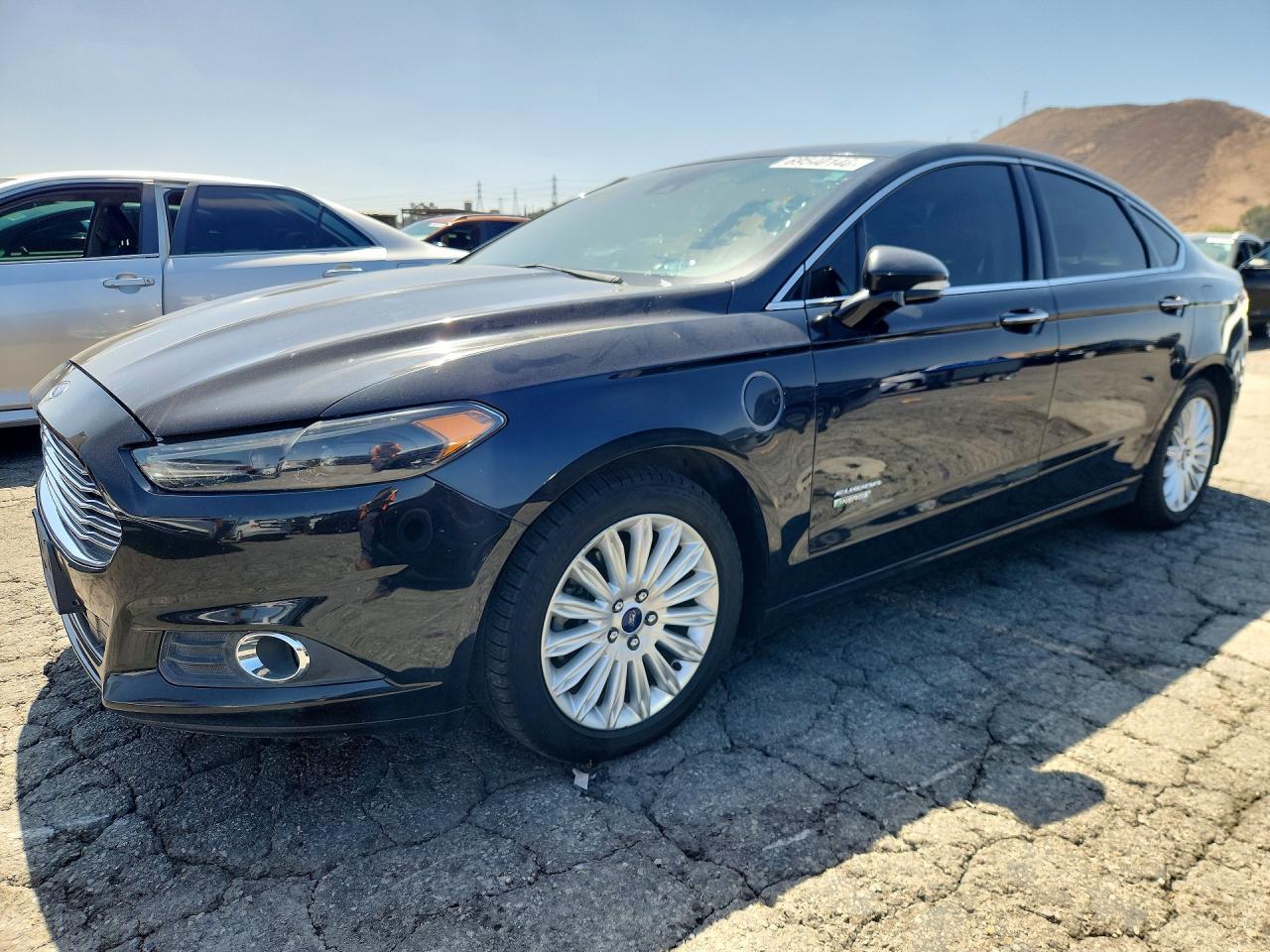
Damage map
If damage records exist for this VIN, the report shows the affected zonesTheft, liens and title
Checks that matter for registration and resaleRecorded condition
What the source noted about the car as it stands- Runs and drives
- Yes
- Engine starts
- Yes
- Keys available
- Yes
- Start code
- Run & Drive
History timeline
Data decoded from the VIN is shown. Records on file, if any, are in the full report.Mileage
Odometer reading as recorded at the sourceEarlier photos may be in the report
Check before you buy
Four things worth checking on any used carFORD FUSION TITANIUM PHEV specifications
- VIN
- 3FA6P0SU5ER378771
- Make
- FORD
- Model
- FUSION TITANIUM PHEV
- Year
- 2014
- Colour
- BLACK
- Fuel
- Hybrid
- Engine
- 2.0 L
- Cylinders
- 4
- Power
- 141 hp
- Transmission
- Automatic
- Drive
- FWD
- Recorded odometer
- 226 314 mi
- Recorded damage
- Minor Dent/Scratches
What buyers ask about the FORD FUSION TITANIUM PHEV
Was this 2014 FORD FUSION TITANIUM PHEV damaged before?
The damage in the specifications is what the source noted at the time. Earlier accidents and repairs on file for VIN 3FA6P0SU5ER378771, if any, are in the full report.
Can I trust the odometer reading of 226 314 mi?
It is the figure as recorded, not verified. Compare it with the earlier readings in the full report: they can only go up, so a drop points to a wound-back odometer.
In which countries was this car registered?
Registrations abroad seldom reach local registers. If this car was registered in other countries, the full report names them.
Who sells the report, and what does it cost?
An independent partner, selected automatically for each VIN by our system from analytical data. The partner shows the price before you pay; we may earn a commission.
VIN 3FA6P0SU5ER378771: history
This Ford Fusion Titanium Phev was built in 2014. The drivetrain combines an automatic gearbox with front-wheel drive. A 2.0-litre engine works together with an electric motor, for a combined output of 141 hp. Details for this car come from a single data source and may differ from its documents.
The source data puts the mileage at 226,314 miles. Because the clock counts miles, any figure noted in kilometres has to be converted before the two can be compared. The mileage is high for the car’s age, so the suspension, brakes, seats and steering wheel deserve a close look. The number on the clock proves little by itself; earlier figures logged at services and inspections are what make it believable. Service invoices and inspection reports each carry a mileage figure, and lined up in order they show whether the clock tells the truth.
Primary damage in the record: minor dents and scratches. A damage entry is a starting point for the inspection, telling the mechanic where to look first. Damage rarely stays where it is first seen: an impact can reach the mountings and airbags behind a panel, and water or fire the wiring and electronics.
The record notes that the car ran and drove. A key was there when the car was checked.
Behind every used car lies a string of events: who owned it and for how long, what the inspections found and which repairs and claims were made. Pieces of a car’s history sit with registries, dealers, workshops and insurance companies, and none of them sees the whole picture. Much of a car’s past cannot be seen: a good body repair leaves no obvious mark, and neither do years of hard driving.
For the engine, the service history matters most: oil changes, filters and the timing belt or chain are the entries to look for. A hybrid adds a traction battery to the engine, and its condition deserves a check of its own. The automatic gearbox should respond smoothly and without delay; jerks, slipping or hesitation on a test drive need investigating.
The VIN is a 17-character code assigned at the factory: it identifies the manufacturer, the model and its variant, and ends with a serial number unique to the car. The record gives the VIN as 3FA6P0SU5ER378771. The VIN usually appears at the base of the windscreen, on a door pillar and stamped into the body, and all of them should match the documents.
A VIN report shows what has been logged: earlier registrations, odometer figures, damage entries, branded titles and theft checks, wherever such data exists. A repair paid for in cash at a small workshop leaves no trace in any database, so no report can list it. The past is on file; the car’s condition today is a job for a mechanic, who can check the structure, underbody, electrics and any repairs on a lift. Before making a decision about this Ford Fusion Titanium Phev, check the history behind VIN 3FA6P0SU5ER378771.
Similar FORD FUSION TITANIUM PHEV cars
All FORD cars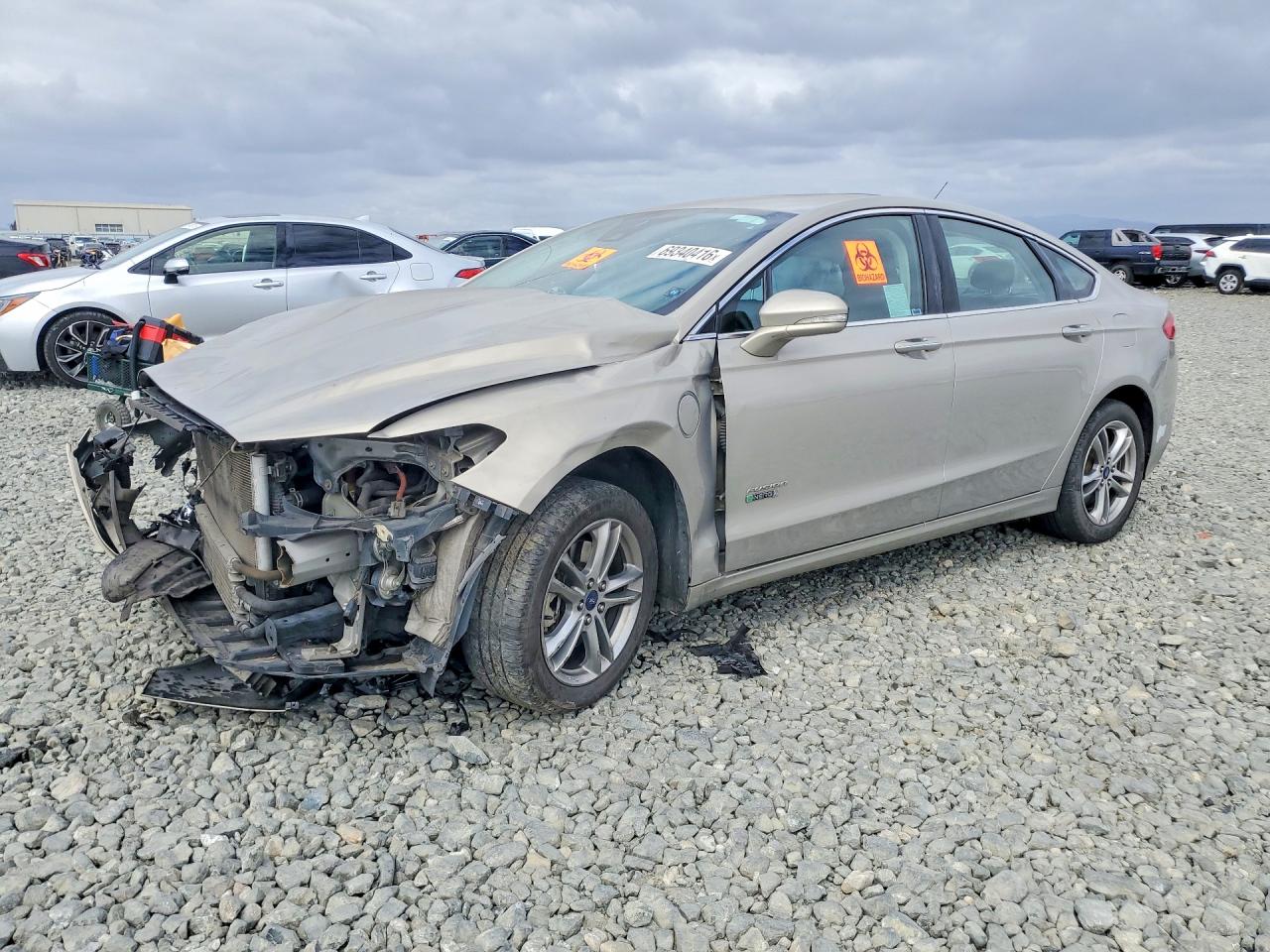 2015 FORD FUSION TITANIUM PHEV
3FA6P0•••••••5951
2.0 hybrid · Automatic
Check history
2015 FORD FUSION TITANIUM PHEV
3FA6P0•••••••5951
2.0 hybrid · Automatic
Check history
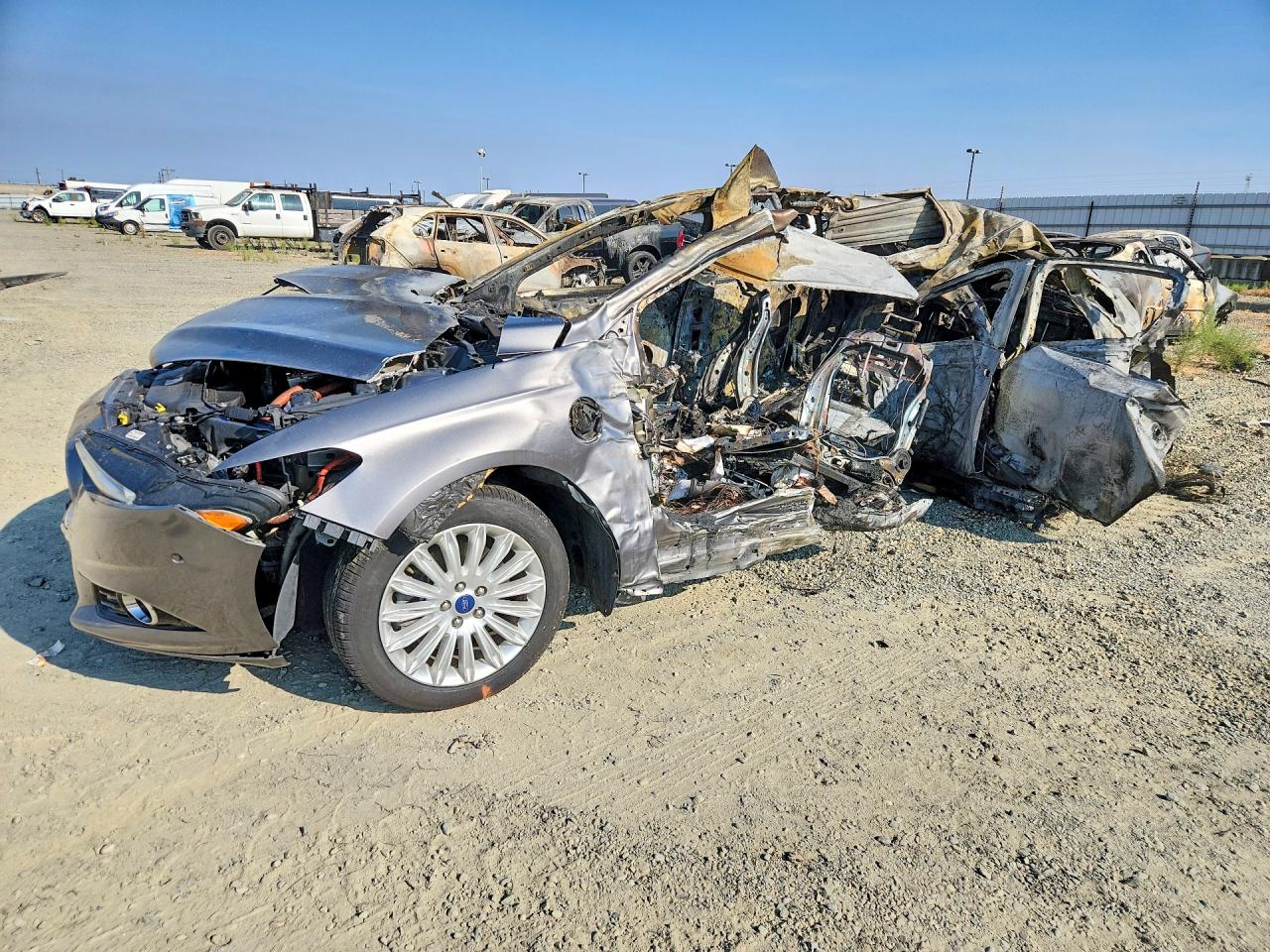 2014 FORD FUSION TITANIUM PHEV
3FA6P0•••••••6590
2.0 hybrid · Automatic
Check history
2014 FORD FUSION TITANIUM PHEV
3FA6P0•••••••6590
2.0 hybrid · Automatic
Check history
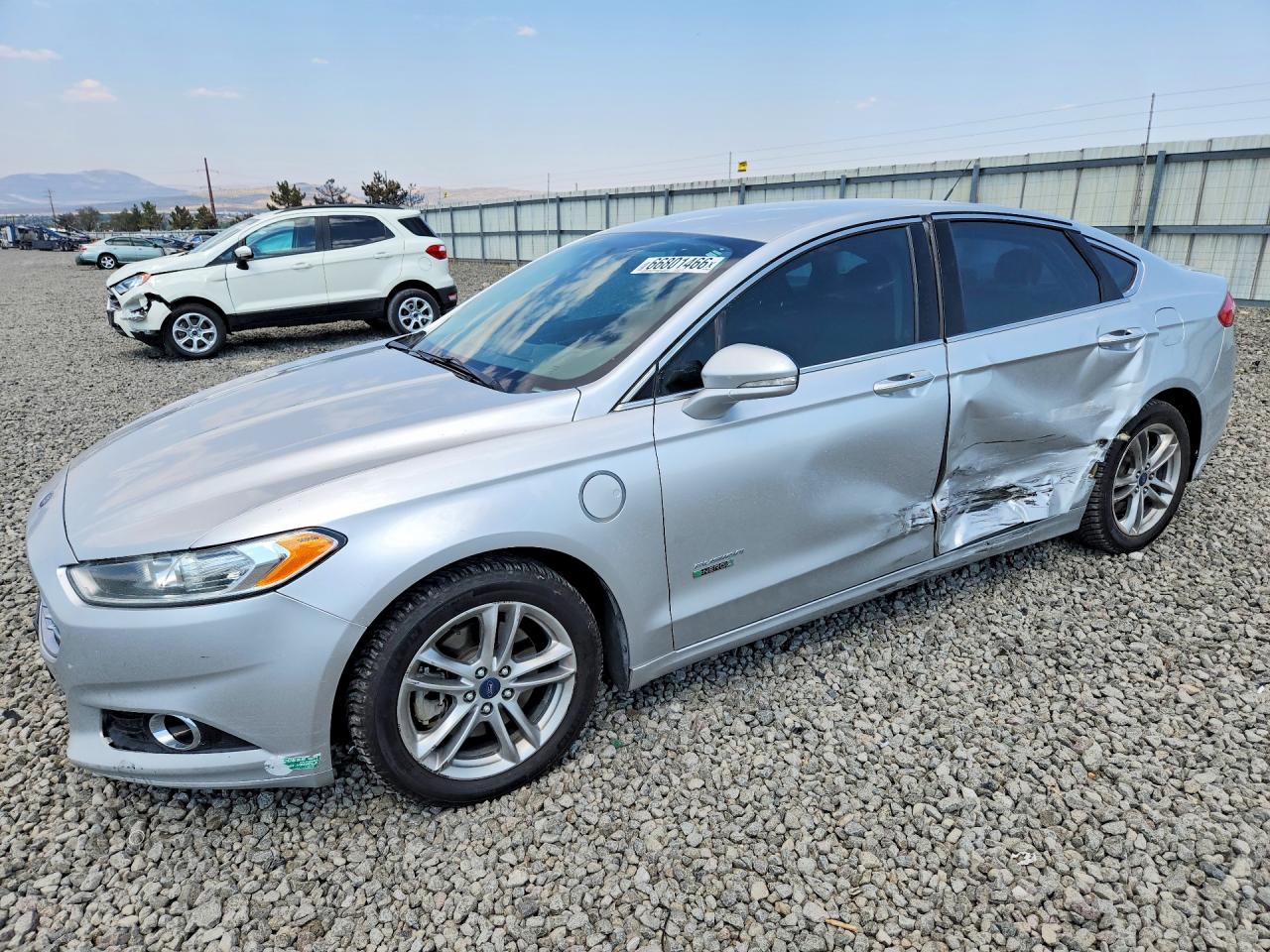 2016 FORD FUSION TITANIUM PHEV
3FA6P0•••••••5875
2.0 hybrid · Automatic
Check history
2016 FORD FUSION TITANIUM PHEV
3FA6P0•••••••5875
2.0 hybrid · Automatic
Check history
 2015 FORD FUSION TITANIUM PHEV
3FA6P0•••••••3390
2.0 hybrid · Automatic
Check history
2015 FORD FUSION TITANIUM PHEV
3FA6P0•••••••3390
2.0 hybrid · Automatic
Check history