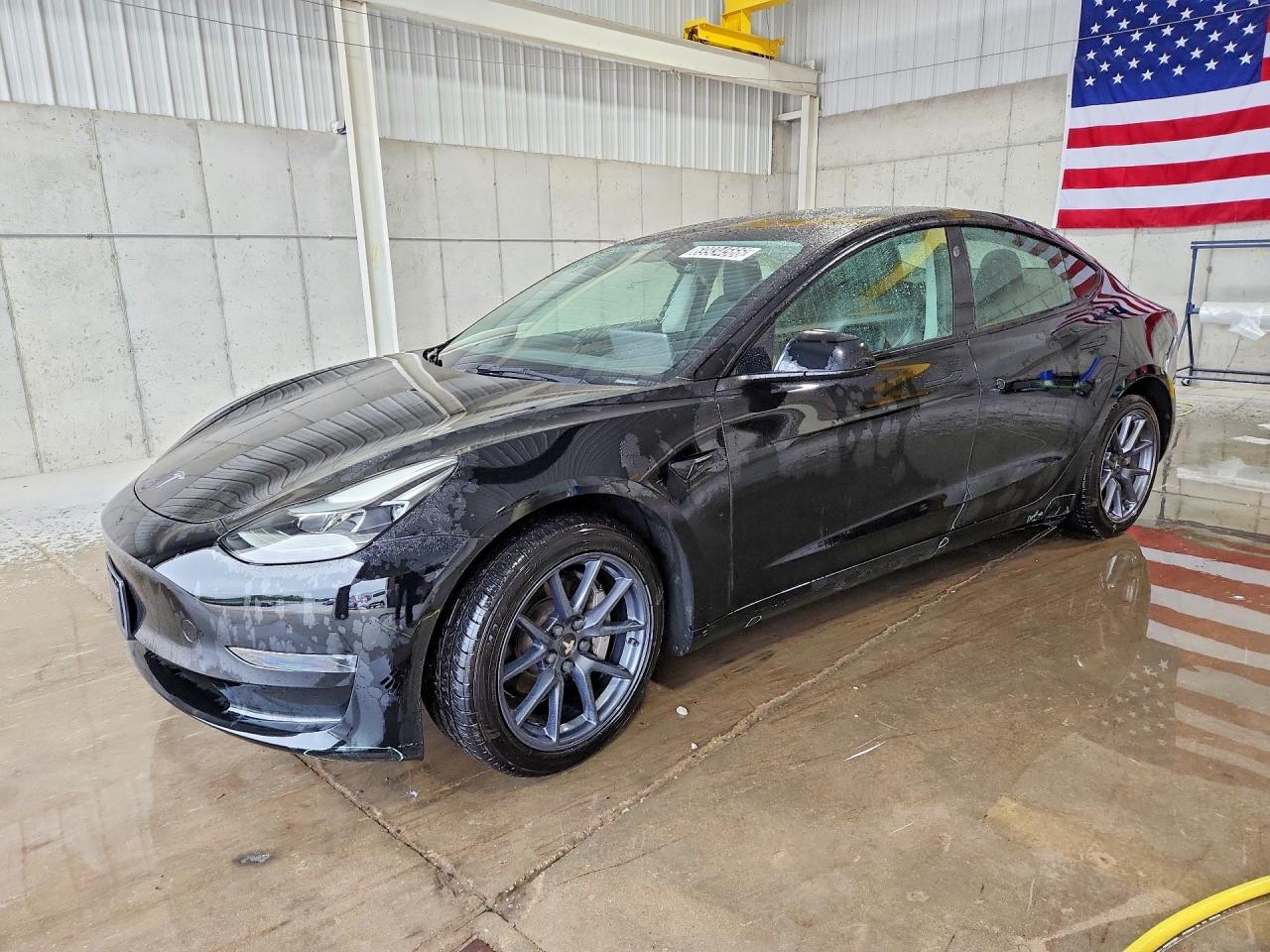
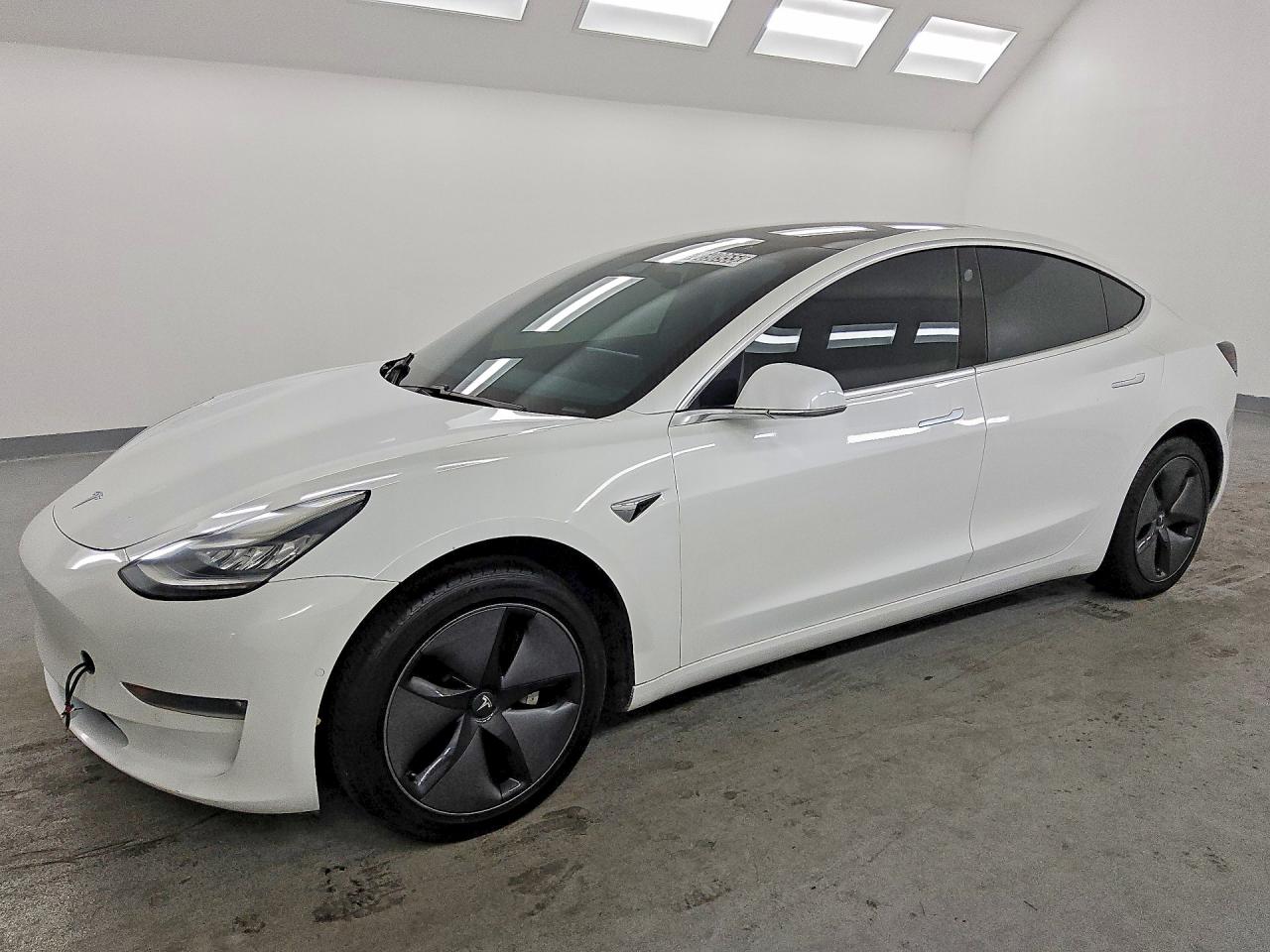
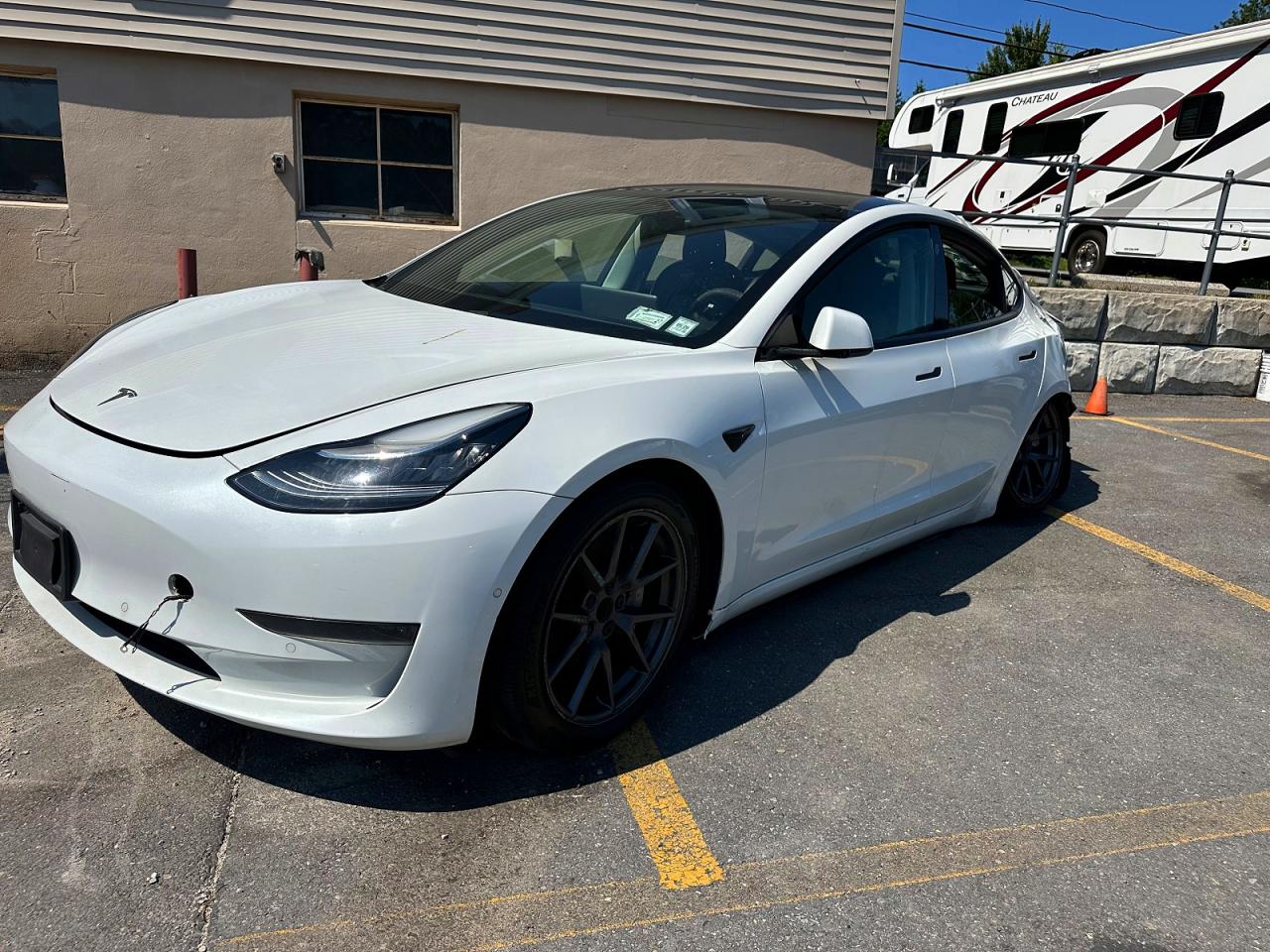
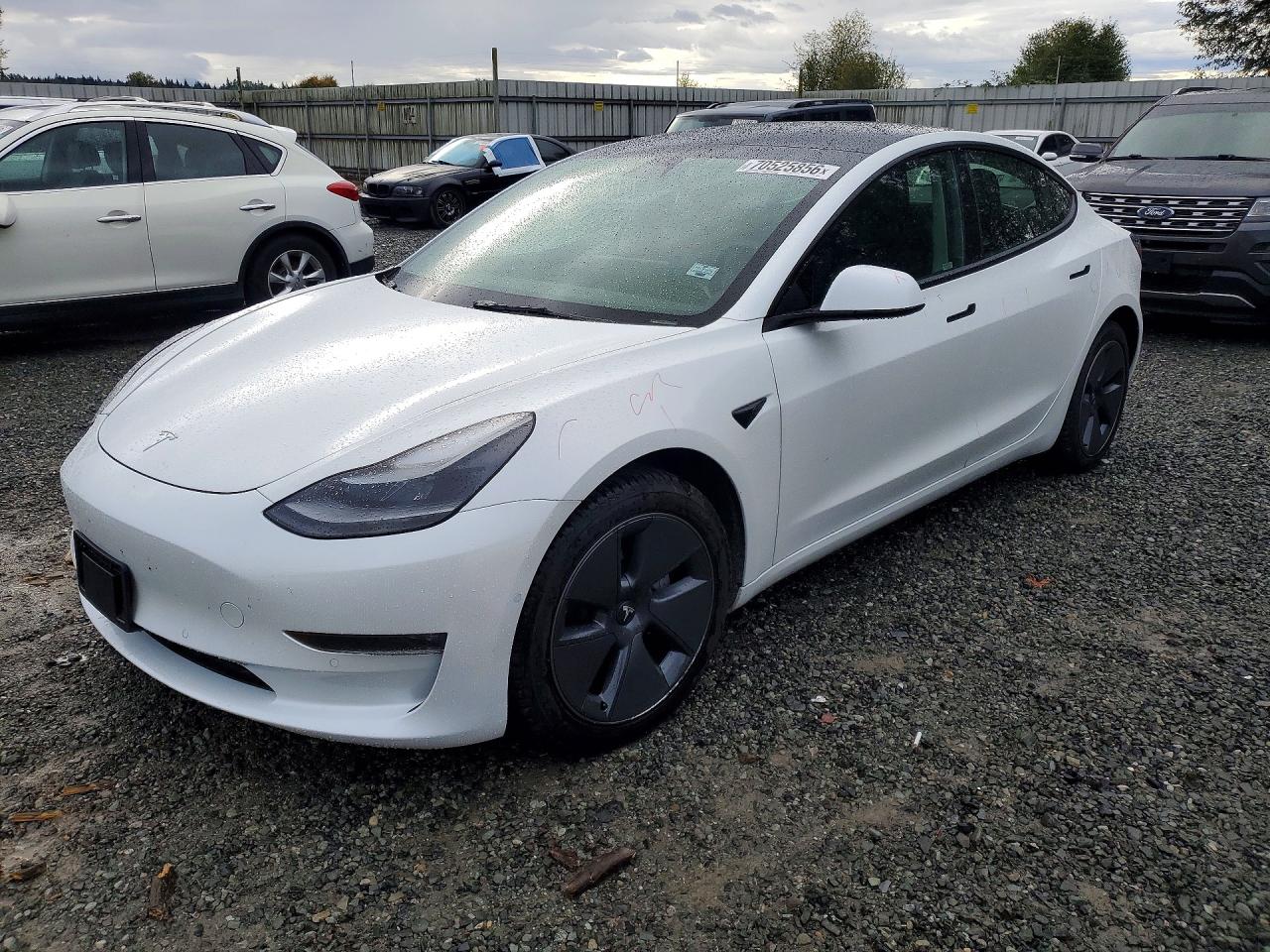
2019 TESLA MODEL 3 VIN 5YJ3E1EA3KF298618
Damage map
If damage records exist for this VIN, the report shows the affected zonesTheft, liens and title
Checks that matter for registration and resaleRecorded condition
What the source noted about the car as it stands- Keys available
- No
- Start code
- Enhanced
History timeline
Data decoded from the VIN is shown. Records on file, if any, are in the full report.Mileage
Odometer reading as recorded at the sourceEarlier photos may be in the report
Check before you buy
Four things worth checking on any used carTESLA MODEL 3 specifications
- VIN
- 5YJ3E1EA3KF298618
- Make
- TESLA
- Model
- MODEL 3
- Year
- 2019
- Colour
- GRAY
- Fuel
- Electric
- Transmission
- Automatic
- Drive
- RWD
- Recorded odometer
- 76 918 mi
- Recorded damage
- Front End
What buyers ask about the TESLA MODEL 3
Was this 2019 TESLA MODEL 3 damaged before?
The damage in the specifications is what the source noted at the time. Earlier accidents and repairs on file for VIN 5YJ3E1EA3KF298618, if any, are in the full report.
Can I trust the odometer reading of 76 918 mi?
It is the figure as recorded, not verified. Compare it with the earlier readings in the full report: they can only go up, so a drop points to a wound-back odometer.
In which countries was this car registered?
Registrations abroad seldom reach local registers. If this car was registered in other countries, the full report names them.
Who sells the report, and what does it cost?
An independent partner, selected automatically for each VIN by our system from analytical data. The partner shows the price before you pay; we may earn a commission.
VIN 5YJ3E1EA3KF298618: history
This Tesla Model 3 is a 2019 model, finished in grey. The car has rear-wheel drive. The drivetrain is fully electric. Every figure for this car is given as it appears in the source data.
The source data puts the mileage at 76,918 miles. Gaps of several years between logged figures deserve attention, as does any reading lower than the one before it. A service book or a folder of workshop invoices is the simplest place to find past readings.
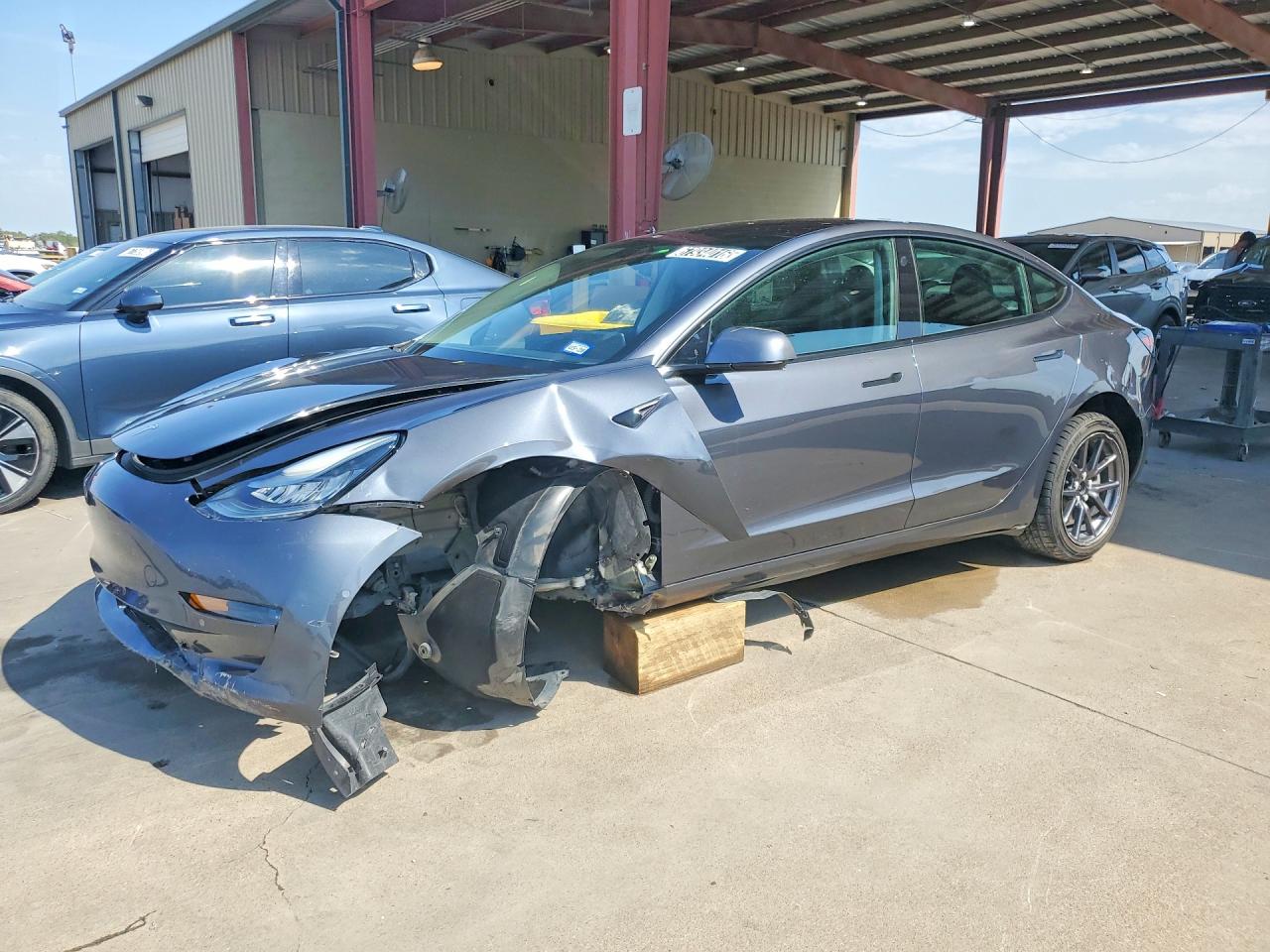
This Tesla Model 3 is recorded with front-end damage. Two cars with the same damage label can be very different: one needs a few new parts, the other major work. Given the kind of damage entered, a mechanic should look first at the radiator support, the headlamp mountings and the front crash structure.
No key was available with the car, so a new one will have to be made and programmed. Months of standing can leave a car with seized brakes and perished tyres.
According to the source data, the car has a clean title. Nothing on the title points to a total loss or a flood.
A car’s history is the sum of what has happened to it since it was new, and most of it has left a trace on paper somewhere. A car’s paperwork is scattered: the registry knows about owners, the workshop about repairs and the insurance company about claims. A car’s past rarely shows on the paintwork: a well-repaired accident or water damage that was dried out is easy to miss.
The battery is the most expensive part of an electric car, so the share of its original capacity still available should be measured. The charging port and the cables supplied with the car should be checked along with the battery.
Stamped into the body and printed on a plate, the VIN is the one identifier that stays with a car through every owner, registration and repair. The VIN of this Tesla Model 3 is 5YJ3E1EA3KF298618.
What a history report can list depends on what has been documented about the car: registrations, mileage readings, damage, branded titles and theft reports. A repair paid for in cash at a small workshop leaves no trace in any database, so no report can list it. However complete the paperwork, only an inspection shows the condition of the body, suspension, brakes and electrics today. The next step is to look up the history behind VIN 5YJ3E1EA3KF298618.