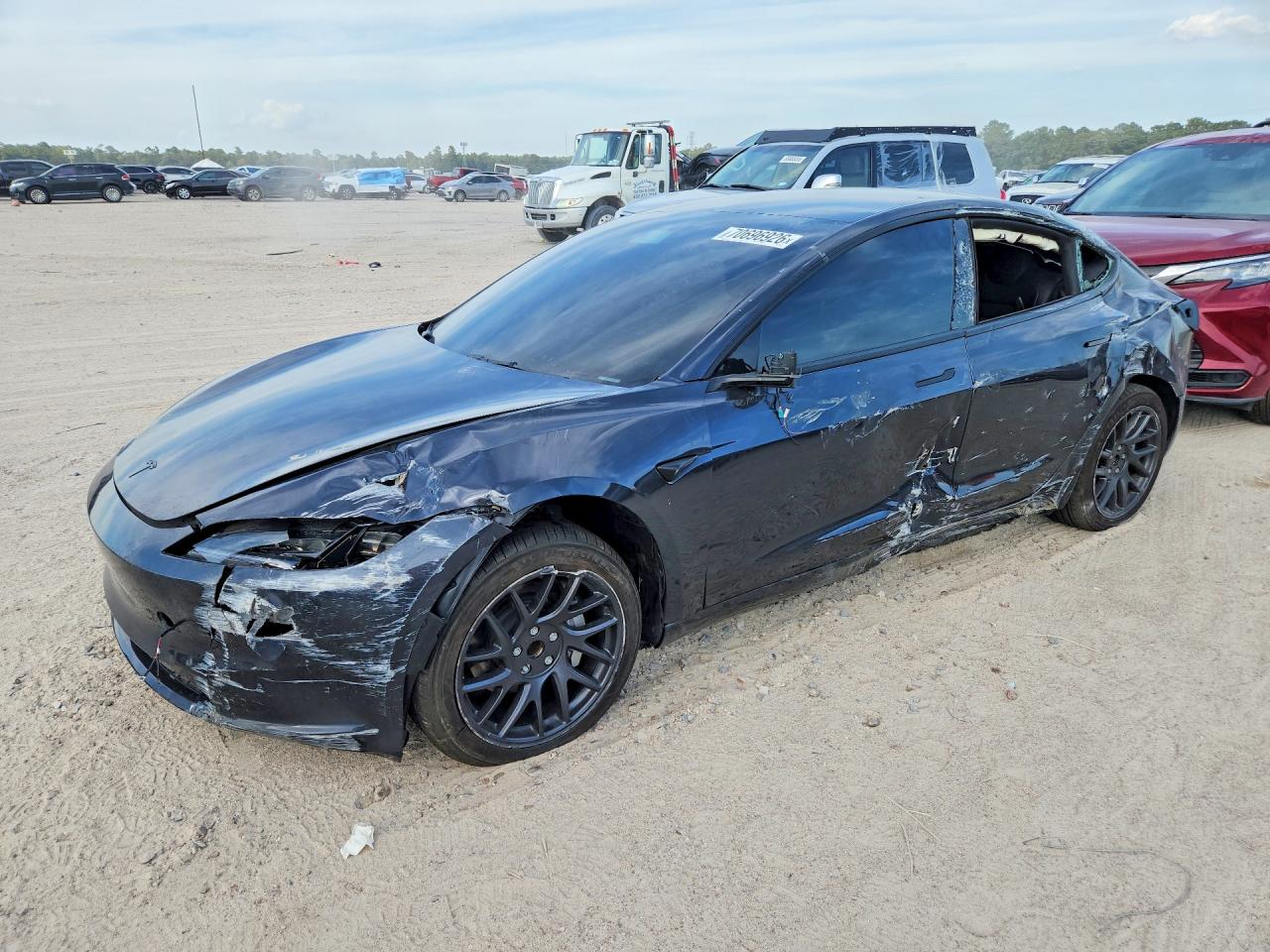
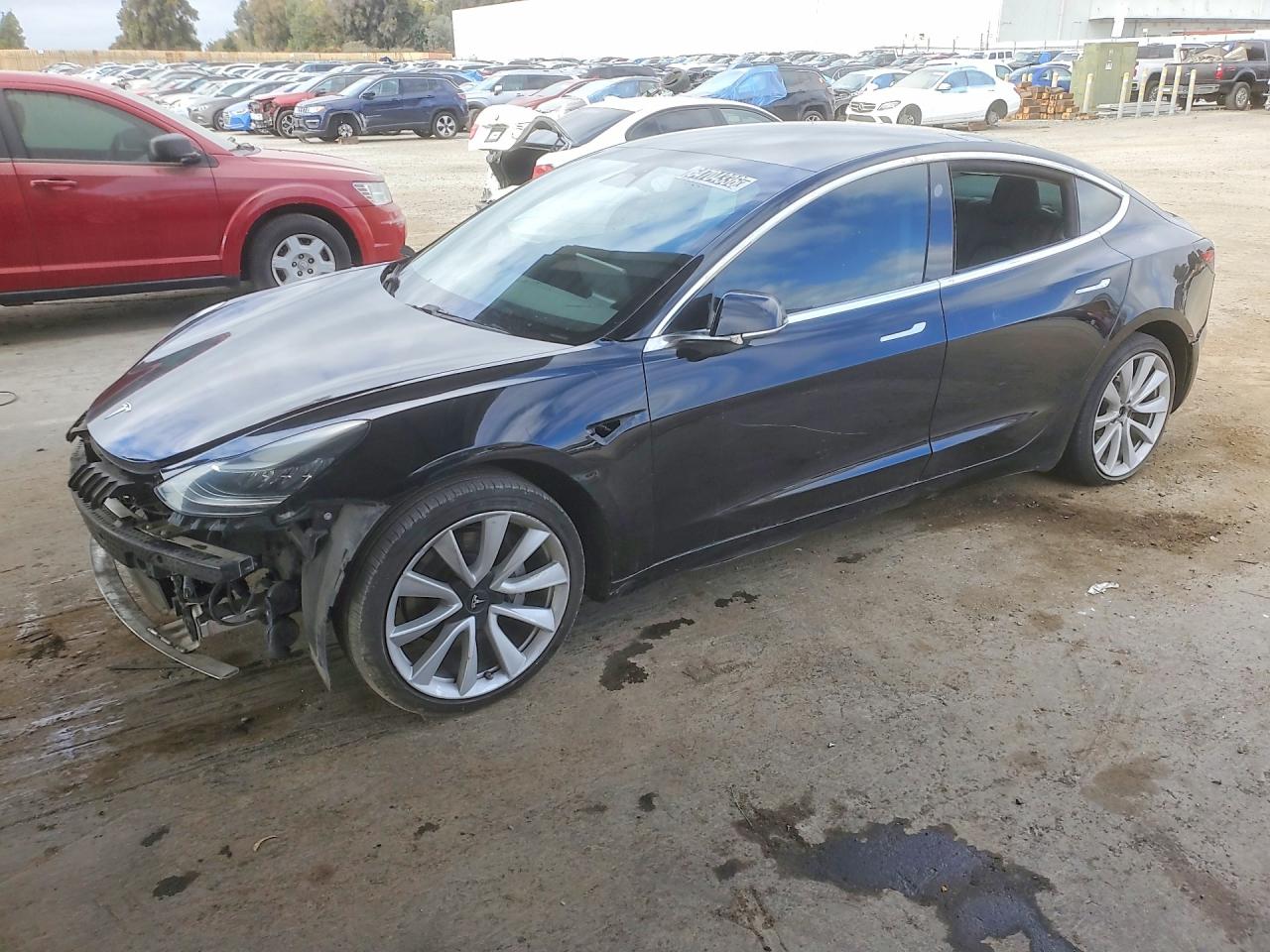
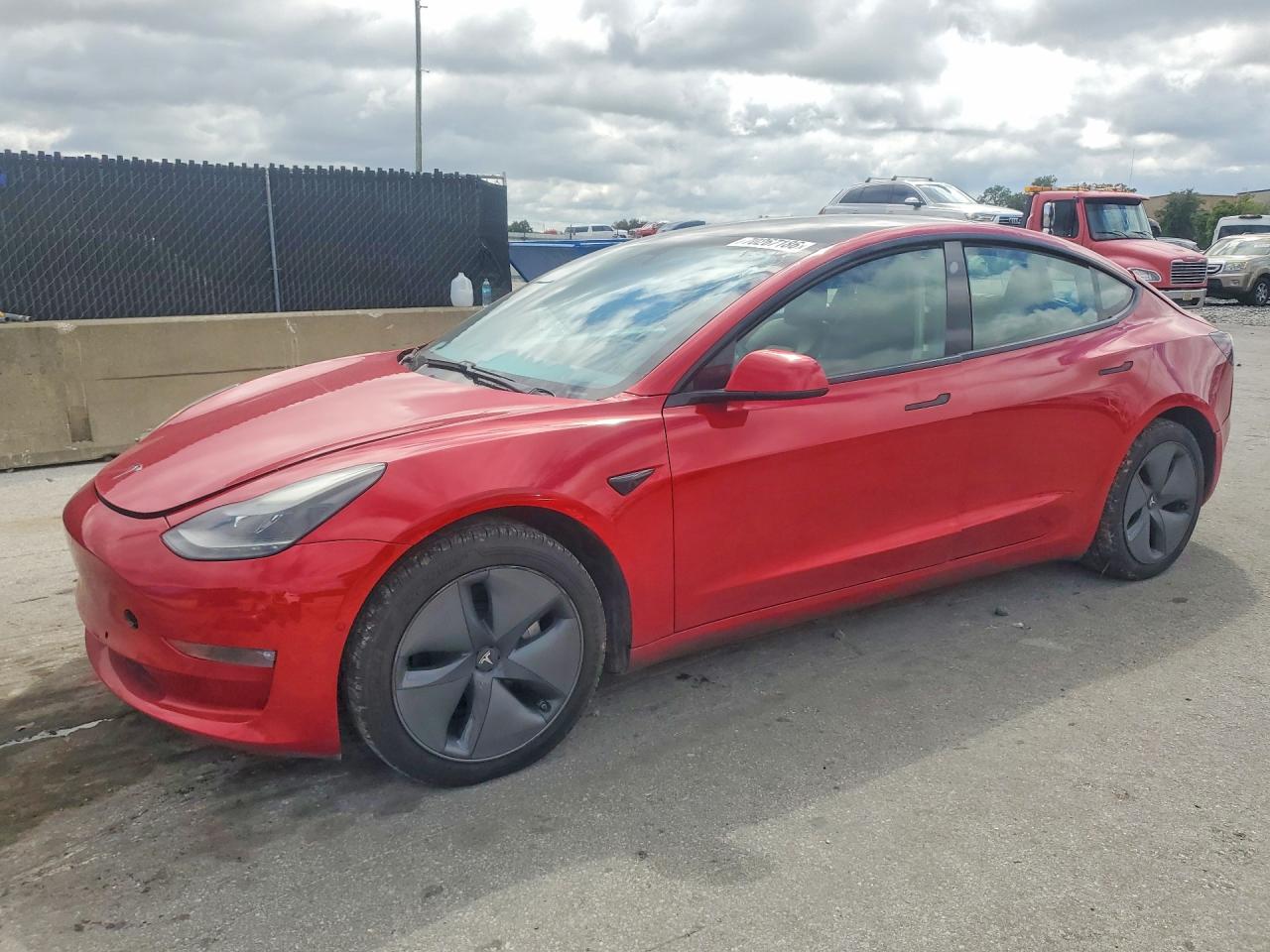
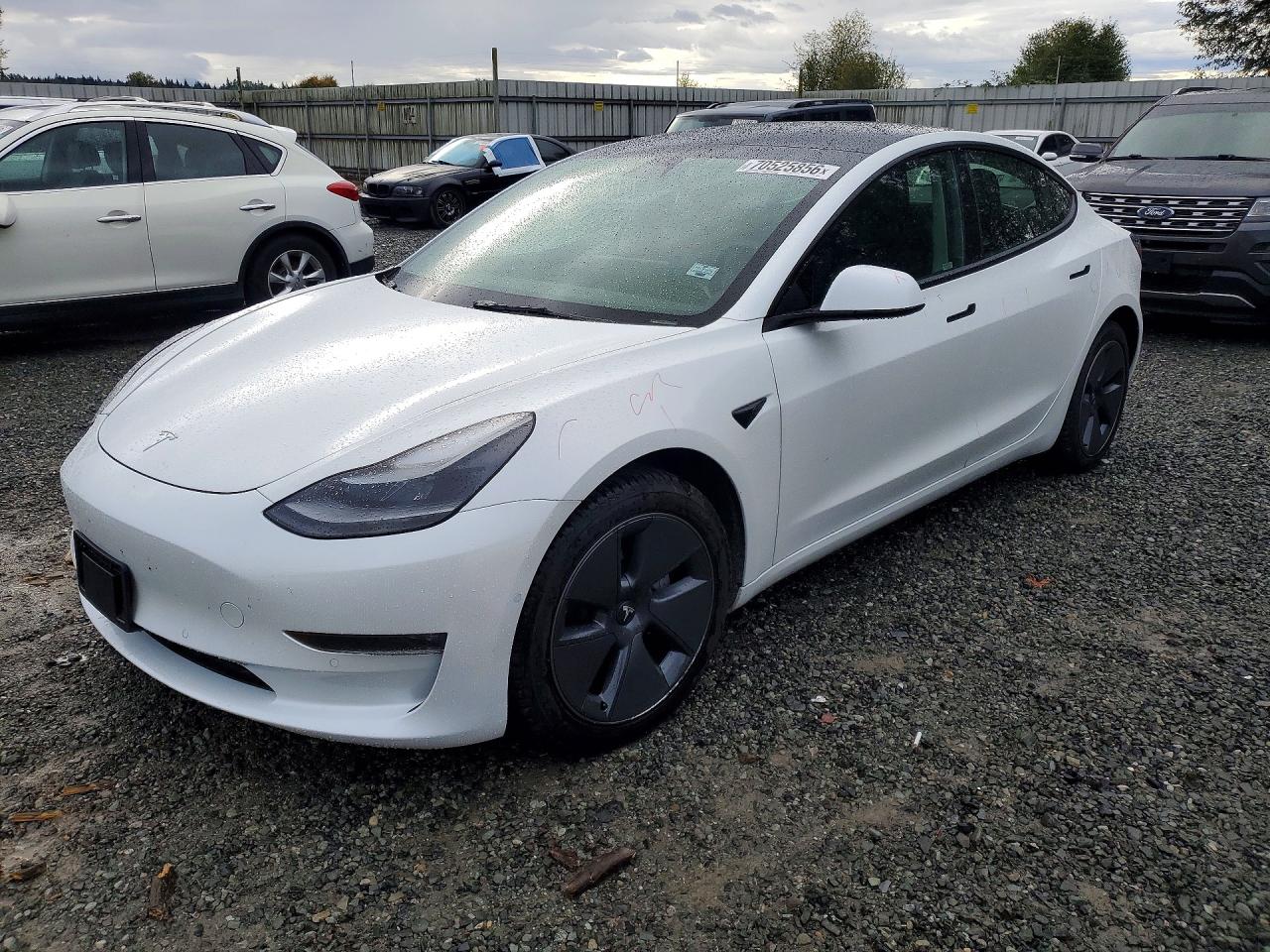
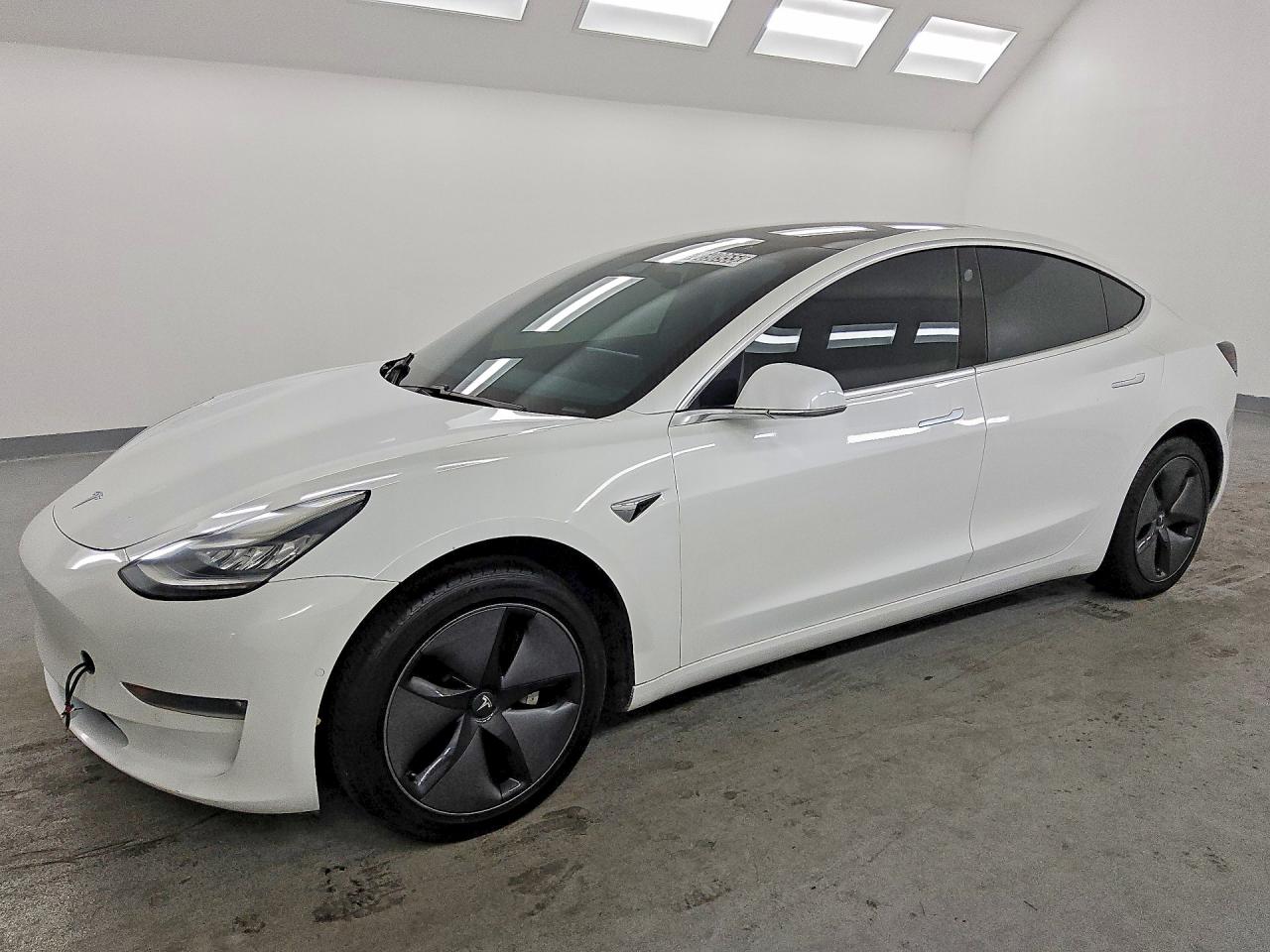
2019 TESLA MODEL 3 VIN 5YJ3E1EA3KF328328
Damage map
If damage records exist for this VIN, the report shows the affected zonesTheft, liens and title
Checks that matter for registration and resaleRecorded condition
What the source noted about the car as it stands- Keys available
- No
- Start code
- Enhanced
History timeline
Data decoded from the VIN is shown. Records on file, if any, are in the full report.Mileage
Odometer reading as recorded at the sourceEarlier photos may be in the report
Check before you buy
Four things worth checking on any used carTESLA MODEL 3 specifications
- VIN
- 5YJ3E1EA3KF328328
- Make
- TESLA
- Model
- MODEL 3
- Year
- 2019
- Colour
- WHITE
- Fuel
- Electric
- Transmission
- Automatic
- Drive
- RWD
- Recorded odometer
- 86 332 mi
- Recorded damage
- Normal Wear
What buyers ask about the TESLA MODEL 3
Was this 2019 TESLA MODEL 3 damaged before?
The damage in the specifications is what the source noted at the time. Earlier accidents and repairs on file for VIN 5YJ3E1EA3KF328328, if any, are in the full report.
Can I trust the odometer reading of 86 332 mi?
It is the figure as recorded, not verified. Compare it with the earlier readings in the full report: they can only go up, so a drop points to a wound-back odometer.
In which countries was this car registered?
Registrations abroad seldom reach local registers. If this car was registered in other countries, the full report names them.
Who sells the report, and what does it cost?
An independent partner, selected automatically for each VIN by our system from analytical data. The partner shows the price before you pay; we may earn a commission.
VIN 5YJ3E1EA3KF328328: history
The Tesla Model 3 described here left the factory in 2019. Power comes from electricity alone. This example is fitted with rear-wheel drive.
The clock stood at 86,332 miles when the data was entered. The instruments count in miles; the same distance in kilometres is about 1.6 times the figure. A single figure proves little: what makes a mileage believable is a series of readings that rise steadily over the years. Figures carry most weight when they come from independent sources: workshops, inspection stations and past title paperwork.
No primary damage is given in the record for this car, which is not the same as proof that it has never been damaged. Paint depth, panel gaps and the underbody show whether the body has been repaired.
No key was available with the car, so a new one will have to be made and programmed.
A car’s history is everything logged against it since it left the factory: registrations and owners, inspections, repairs and insurance claims. The paperwork is kept by different bodies – registries, workshops, insurance companies and lenders – so the history of one car is spread across many places. A clean, polished car can still hide a serious accident, a flood or years of hard use.
For an electric car, a battery health report says more than the odometer: two cars with the same mileage can have very different range left. Software updates and any battery or motor work carried out under warranty should appear in the car’s service history.
Every modern car carries a 17-character VIN, and no two cars share one. The VIN 5YJ3E1EA3KF328328 belongs to this 2019 Tesla Model 3. Scratches, fresh paint or a replaced plate around the VIN markings are warning signs in their own right.
A VIN report gathers what different sources know about a car, such as the number of owners, mileage readings, damage and any branded title. The absence of an entry is not proof that nothing happened; it may only mean that nobody wrote it down. The past is on file; the car’s condition today is a job for a mechanic, who can check the structure, underbody, electrics and any repairs on a lift. A history check on VIN 5YJ3E1EA3KF328328 is the place to start.