2019 HYUNDAI TUCSON SE VIN KM8J23A47KU999211

Damage map
If damage records exist for this VIN, the report shows the affected zonesTheft, liens and title
Checks that matter for registration and resaleRecorded condition
What the source noted about the car as it stands- Keys available
- Yes
History timeline
Data decoded from the VIN is shown. Records on file, if any, are in the full report.Mileage
Odometer reading as recorded at the sourceEarlier photos may be in the report
Check before you buy
Four things worth checking on any used carHYUNDAI TUCSON SE specifications
- VIN
- KM8J23A47KU999211
- Make
- HYUNDAI
- Model
- TUCSON SE
- Year
- 2019
- Colour
- BROWN
- Fuel
- Gasoline
- Engine
- 2.0 L
- Cylinders
- 4
- Power
- 164 hp
- Transmission
- Automatic
- Drive
- FWD
- Recorded odometer
- 185 002 mi
- Recorded damage
- Mechanical
What buyers ask about the HYUNDAI TUCSON SE
Was this 2019 HYUNDAI TUCSON SE damaged before?
The damage in the specifications is what the source noted at the time. Earlier accidents and repairs on file for VIN KM8J23A47KU999211, if any, are in the full report.
Can I trust the odometer reading of 185 002 mi?
It is the figure as recorded, not verified. Compare it with the earlier readings in the full report: they can only go up, so a drop points to a wound-back odometer.
In which countries was this car registered?
Registrations abroad seldom reach local registers. If this car was registered in other countries, the full report names them.
Who sells the report, and what does it cost?
An independent partner, selected automatically for each VIN by our system from analytical data. The partner shows the price before you pay; we may earn a commission.
VIN KM8J23A47KU999211: history
The Hyundai Tucson SE described here left the factory in 2019. Power comes from a 2.0-litre petrol engine with four cylinders. The drivetrain combines an automatic gearbox with front-wheel drive. Every figure for this car is given as it appears in the source data.
The car was recorded with 185,002 miles on the clock. Miles and kilometres are easy to confuse, and a distance in miles looks lower than the same distance in kilometres. The mileage is high for the car’s age, so the suspension, brakes, seats and steering wheel deserve a close look. A single figure proves little: what makes a mileage believable is a series of readings that rise steadily over the years. Title paperwork often notes the mileage at each change of owner, which makes it a useful cross-check.
The record lists mechanical damage as the main problem on this car. A damage entry is a starting point for the inspection, telling the mechanic where to look first. Some damage shows its consequences only later: corroded connectors and electrical faults can surface months afterwards.
A key was there when the car was checked. Months of standing can leave a car with seized brakes and perished tyres.
According to the source data, the car has a clean title. Nothing on the title points to a total loss or a flood.
A car’s history answers three questions: who kept it, how it was looked after and what went wrong along the way. The paperwork is kept by different bodies – registries, workshops, insurance companies and lenders – so the history of one car is spread across many places. Much of a car’s past cannot be seen: a good body repair leaves no obvious mark, and neither do years of hard driving.
For the engine, the service history matters most: oil changes, filters and the timing belt or chain are the entries to look for. Many modern petrol engines are turbocharged and direct-injected; where they are, the turbocharger and injectors belong on a specialist’s checklist. The automatic gearbox needs its fluid changed at the manufacturer’s intervals, and invoices should show that it was.
The tenth character of the VIN stands for the model year, and the eleventh for the plant that built the car. The VIN on file for this car is KM8J23A47KU999211. A VIN that differs between the documents and the car, or shows signs of tampering, is reason enough to walk away.
What a history report can list depends on what has been documented about the car: registrations, mileage readings, damage, branded titles and theft reports. The past is on file; the car’s condition today is a job for a mechanic, who can check the structure, underbody, electrics and any repairs on a lift. Before any decision, check what is known about VIN KM8J23A47KU999211.
Similar HYUNDAI TUCSON SE cars
All HYUNDAI cars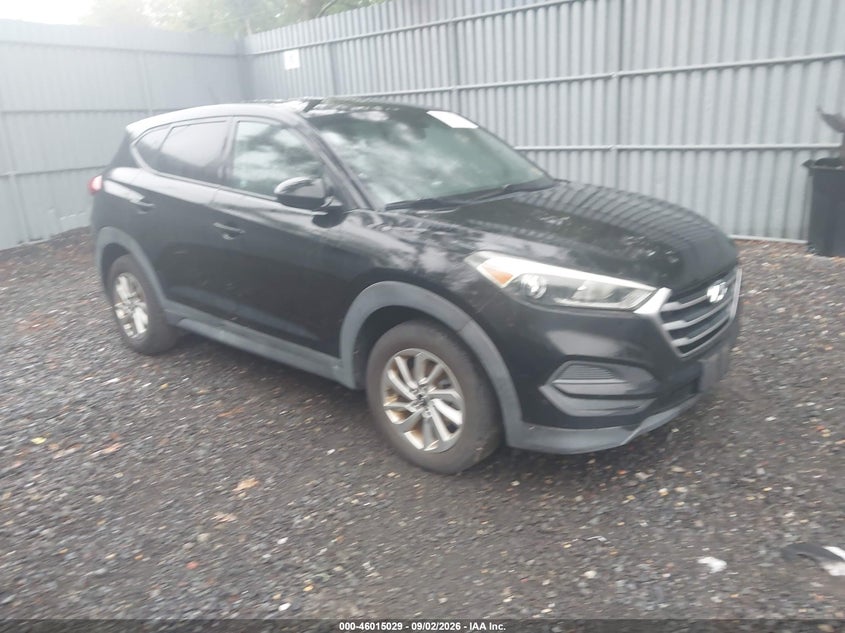 2017 HYUNDAI TUCSON SE
KM8J23•••••••0539
2.0 gasoline · Automatic
Check history
2017 HYUNDAI TUCSON SE
KM8J23•••••••0539
2.0 gasoline · Automatic
Check history
 2015 HYUNDAI TUCSON SE
KM8JU3•••••••6640
2.4 gasoline · Automatic
Check history
2015 HYUNDAI TUCSON SE
KM8JU3•••••••6640
2.4 gasoline · Automatic
Check history
 2019 HYUNDAI TUCSON SE
KM8J2C•••••••9996
2.0 gasoline · Automatic
Check history
2019 HYUNDAI TUCSON SE
KM8J2C•••••••9996
2.0 gasoline · Automatic
Check history
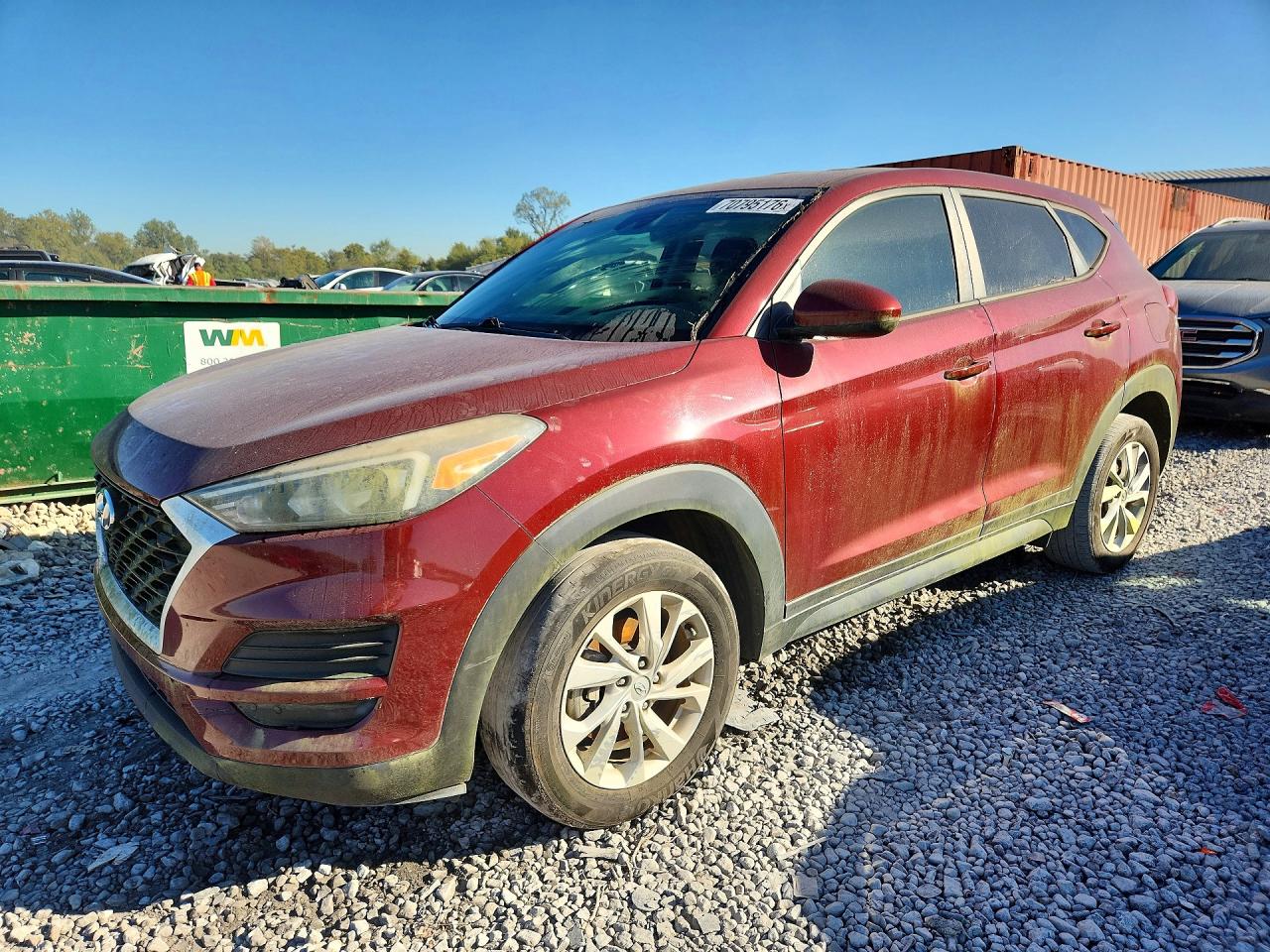 2019 HYUNDAI TUCSON SE
KM8J23•••••••4610
2.0 gasoline · Automatic
Check history
2019 HYUNDAI TUCSON SE
KM8J23•••••••4610
2.0 gasoline · Automatic
Check history