2017 HYUNDAI TUCSON SE VIN KM8J23A4XHU570539
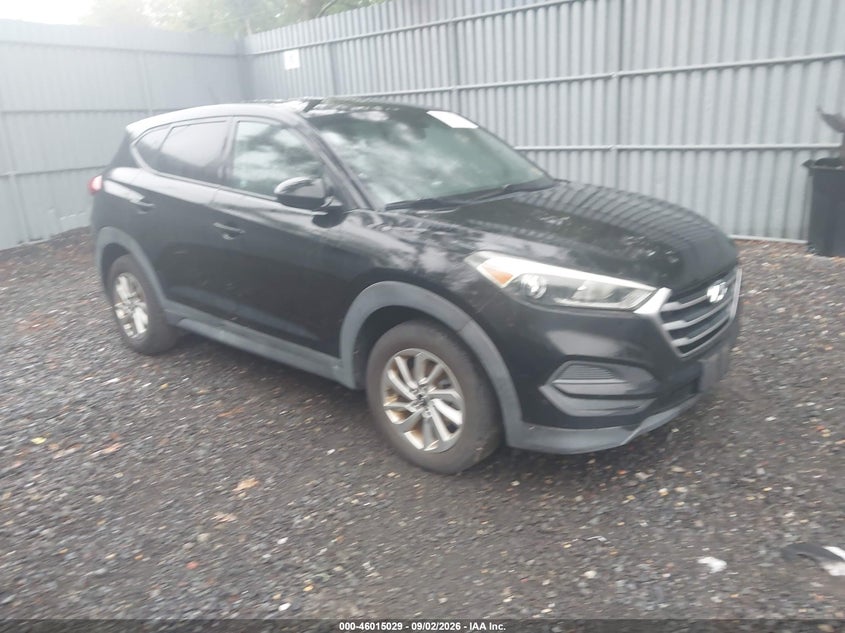
Damage map
If damage records exist for this VIN, the report shows the affected zonesTheft, liens and title
Checks that matter for registration and resaleRecorded condition
What the source noted about the car as it stands- Runs and drives
- No
- Engine starts
- No
- Keys available
- Yes
- Start code
- Stationary
History timeline
Data decoded from the VIN is shown. Records on file, if any, are in the full report.Mileage
Odometer reading as recorded at the sourceEarlier photos may be in the report
Check before you buy
Four things worth checking on any used carHYUNDAI TUCSON SE specifications
- VIN
- KM8J23A4XHU570539
- Make
- HYUNDAI
- Model
- TUCSON SE
- Year
- 2017
- Colour
- BLACK
- Fuel
- Gasoline
- Engine
- 2.0 L
- Cylinders
- 4
- Power
- 164 hp
- Transmission
- Automatic
- Drive
- FWD
- Recorded odometer
- 265 900 mi
- Recorded damage
- Normal Wear & Tear
What buyers ask about the HYUNDAI TUCSON SE
Was this 2017 HYUNDAI TUCSON SE damaged before?
The damage in the specifications is what the source noted at the time. Earlier accidents and repairs on file for VIN KM8J23A4XHU570539, if any, are in the full report.
Can I trust the odometer reading of 265 900 mi?
It is the figure as recorded, not verified. Compare it with the earlier readings in the full report: they can only go up, so a drop points to a wound-back odometer.
In which countries was this car registered?
Registrations abroad seldom reach local registers. If this car was registered in other countries, the full report names them.
Who sells the report, and what does it cost?
An independent partner, selected automatically for each VIN by our system from analytical data. The partner shows the price before you pay; we may earn a commission.
VIN KM8J23A4XHU570539: history
This Hyundai Tucson SE is a 2017 model. Power comes from a 2.0-litre petrol engine with four cylinders. The drivetrain combines an automatic gearbox with front-wheel drive. Every figure for this car is given as it appears in the source data.
The recorded mileage is 265,900 miles. The instruments count in miles; the same distance in kilometres is about 1.6 times the figure. A car that has covered this much distance for its age has worked hard, and a mechanic should judge the wear accordingly. Services and inspections note the distance covered, so a car with an ordinary past builds up a trail of figures that climb year after year. Title paperwork often notes the mileage at each change of owner, which makes it a useful cross-check.
The source data names no primary damage. That shows only that none was entered, so the body still deserves a close look. Paint depth, panel gaps and the underbody show whether the body has been repaired.
A note in the source data says the car did not run. An engine that will not start could have a simple electrical fault or internal damage, and only diagnostic work can tell which. A key was noted with the car. Months of standing can leave a car with seized brakes and perished tyres.
A clean title is on file for this car. Such a title means no salvage, flood or similar mark was recorded against the car; it does not rule out damage repaired without a claim.
A car’s history answers three questions: who kept it, how it was looked after and what went wrong along the way. A car’s paperwork is scattered: the registry knows about owners, the workshop about repairs and the insurance company about claims. What a car has been through is seldom visible at first glance, and a respray can make even a badly damaged car look sound.
Many modern petrol engines are turbocharged and direct-injected; where they are, the turbocharger and injectors belong on a specialist’s checklist. On a car that does not run, the automatic gearbox cannot be judged on the road; the colour and smell of its fluid and a diagnostic scan give the first clues.
A vehicle identification number has 17 characters: the first three name the manufacturer, the next six describe the model and its specification, and the last eight identify the individual car. This car’s identification number is KM8J23A4XHU570539. The number in the car’s documents should match the one stamped into the body and the one on the plate at the base of the windscreen.
Where entries exist, a VIN check can show changes of owner, past mileage readings, reported damage and whether the car is listed as stolen. The absence of an entry is not proof that nothing happened; it may only mean that nobody wrote it down. A VIN check and a physical inspection answer different questions: the first says what happened to the car, the second what condition it is in now. Before making a decision about this Hyundai Tucson SE, check the history behind VIN KM8J23A4XHU570539.
Similar HYUNDAI TUCSON SE cars
All HYUNDAI cars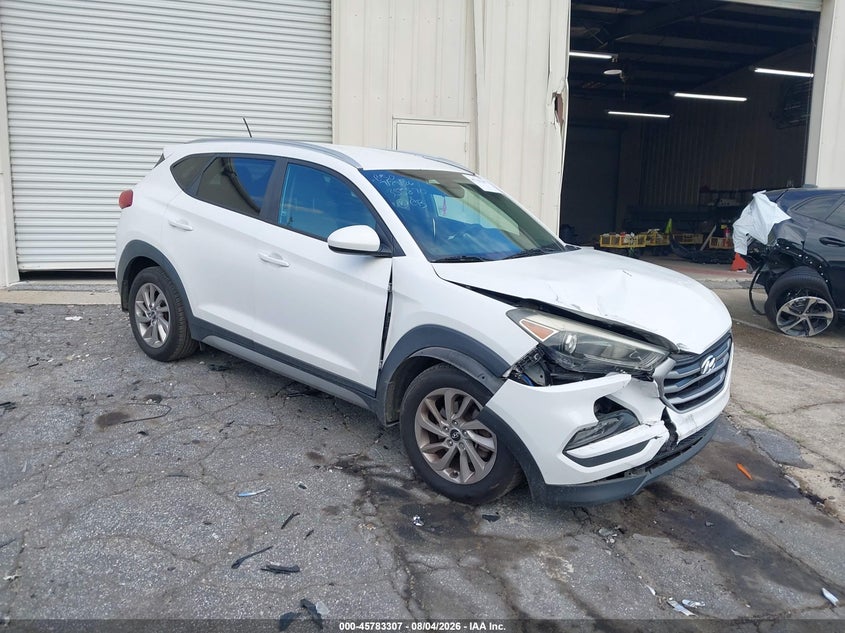 2017 HYUNDAI TUCSON SE
KM8J33•••••••2710
2.0 gasoline · Automatic
Check history
2017 HYUNDAI TUCSON SE
KM8J33•••••••2710
2.0 gasoline · Automatic
Check history
 2016 HYUNDAI TUCSON SE
KM8J3C•••••••0883
2.0 gasoline · Automatic
Check history
2016 HYUNDAI TUCSON SE
KM8J3C•••••••0883
2.0 gasoline · Automatic
Check history
 2019 HYUNDAI TUCSON SE
KM8J23•••••••9211
2.0 gasoline · Automatic
Check history
2019 HYUNDAI TUCSON SE
KM8J23•••••••9211
2.0 gasoline · Automatic
Check history
 2019 HYUNDAI TUCSON SE
KM8J2C•••••••9996
2.0 gasoline · Automatic
Check history
2019 HYUNDAI TUCSON SE
KM8J2C•••••••9996
2.0 gasoline · Automatic
Check history